The big idea
Clean energy still needs clear emergency planning.
Solar panels, batteries, EV chargers, and microgrids are increasingly common on homes, businesses, schools, fire stations, and public facilities. These systems can reduce bills, support backup power, and improve resilience during outages. But on the fireground, responders need to know what equipment is present, where it is located, how it is labeled, and how emergency controls are intended to work.
The goal is not fear of solar or batteries. The goal is clarity: safe design, proper installation, visible labels, accessible equipment, clear working space, and informed first responders.
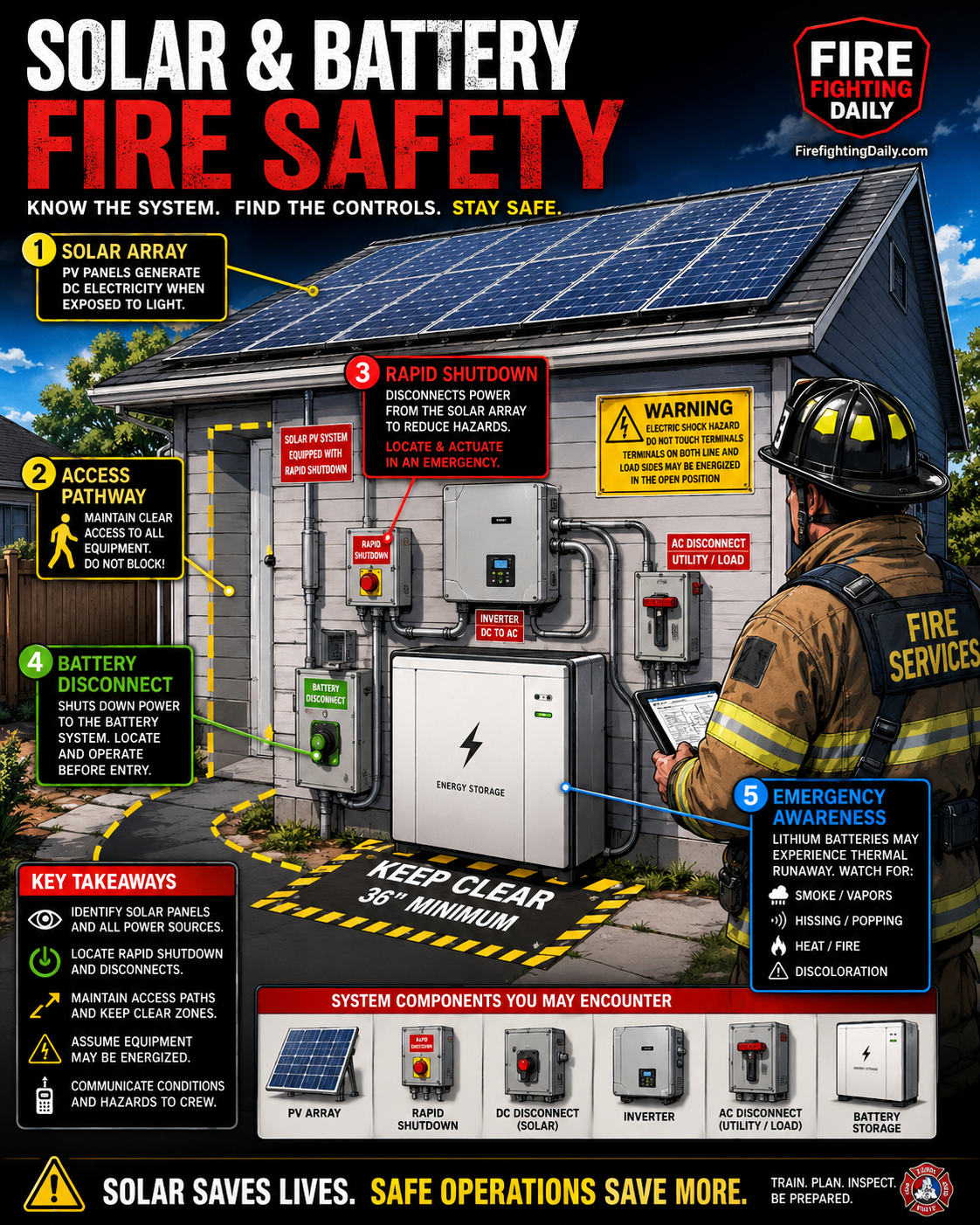
Energy systems should tell their own story.
A responder should be able to identify solar, batteries, shutdowns, disconnects, and access paths quickly.
Rooftop solar and firefighter access
Rooftop solar arrays can affect how firefighters move on a roof. Access pathways, array layout, setbacks, roof edges, ridges, skylights, vents, ladders, and structural conditions all matter. Local codes and fire department requirements may define where panels can be placed and how pathways must be maintained.
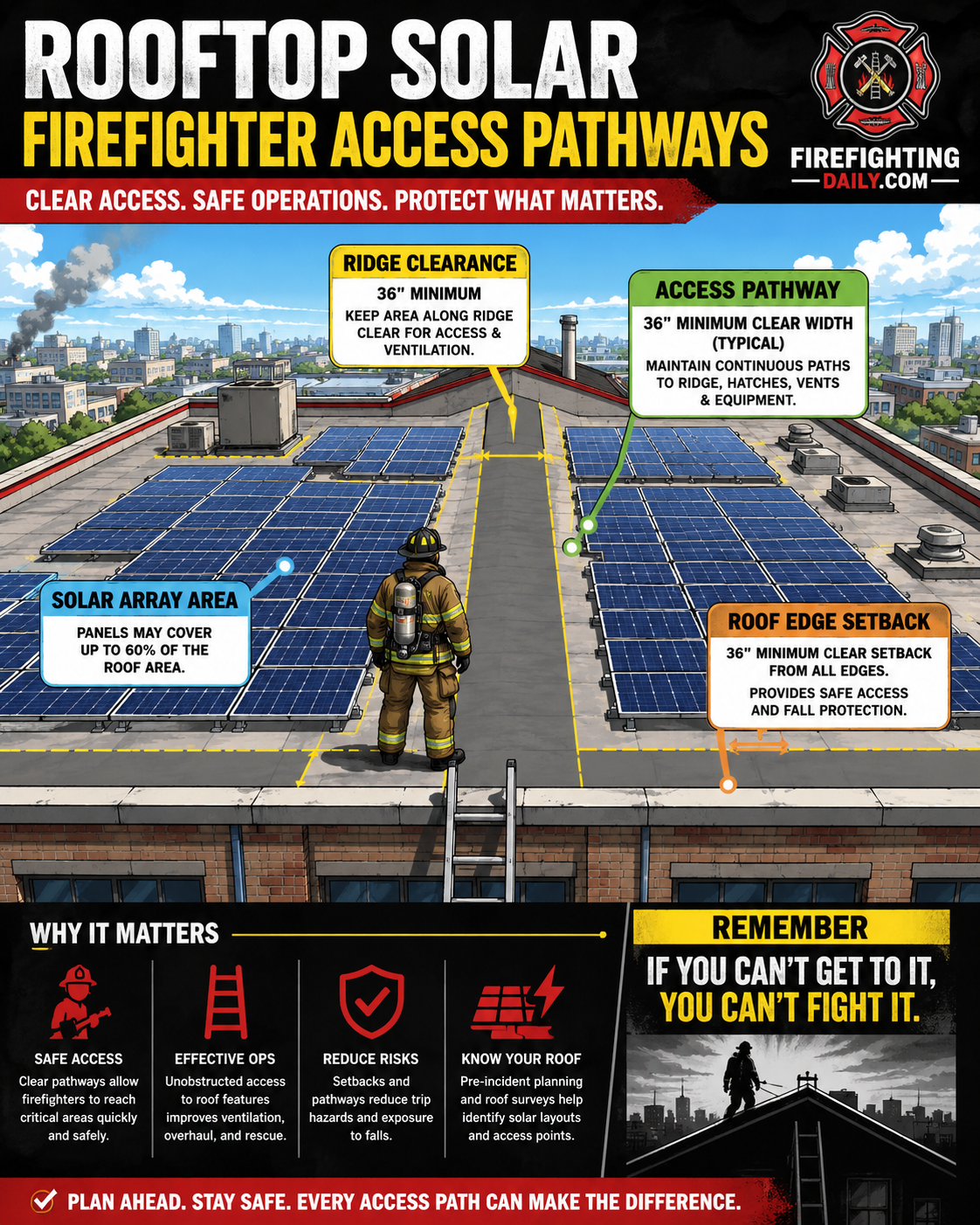
Panels need space around the mission.
Access pathways help responders move, ventilate, inspect, and work around rooftop equipment where conditions allow.
Rapid shutdown
Solar rapid shutdown is a safety concept intended to reduce voltage in certain parts of a PV system during emergency or service conditions. The exact requirements, equipment behavior, and labels depend on the system design, code cycle, hardware, and jurisdiction.
For homeowners, the practical lesson is simple: know where the solar equipment is, keep labels visible, keep access clear, and use qualified solar professionals for installation and service.
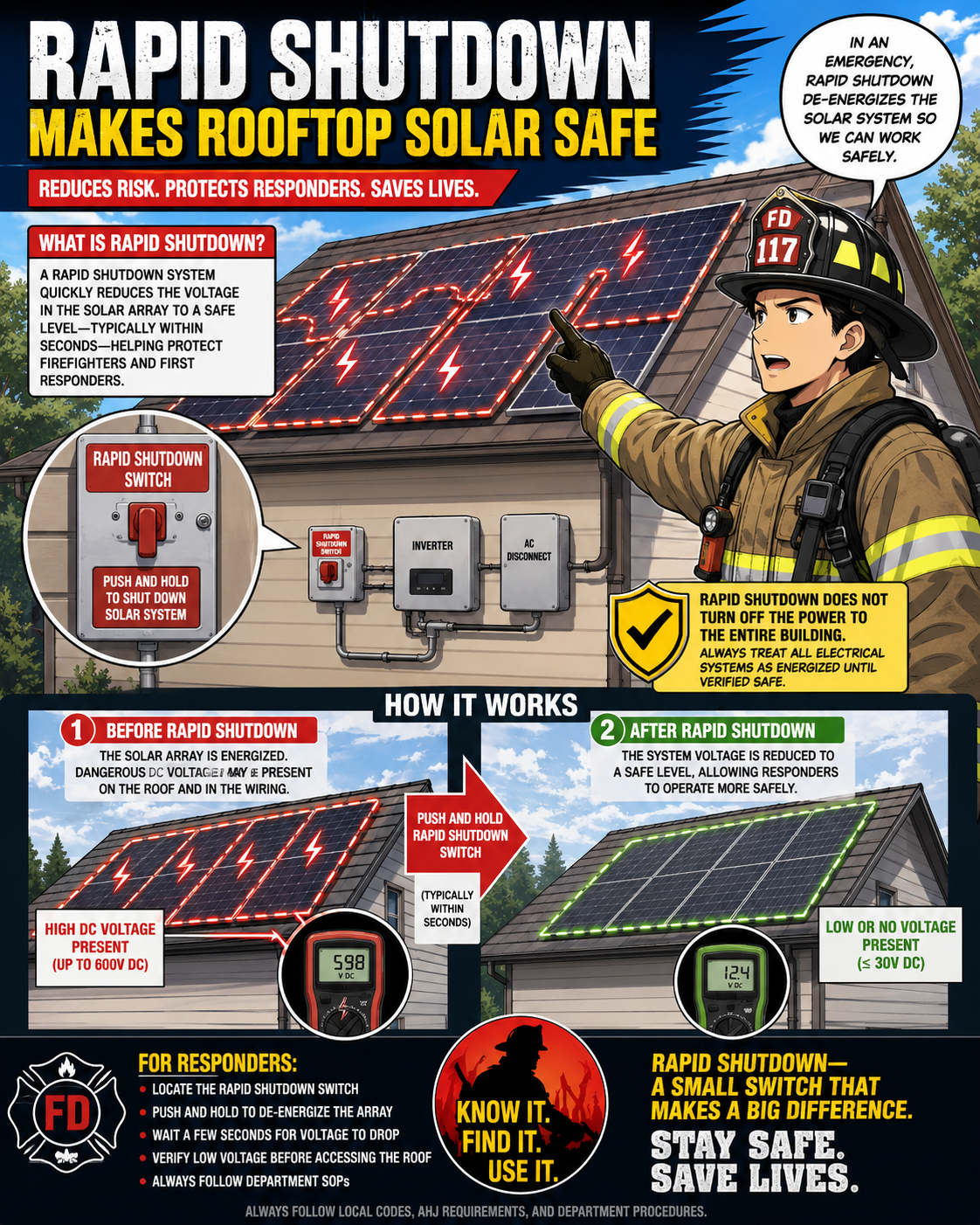
Shutdown concept
Emergency controls should be clearly identified and accessible according to approved design.
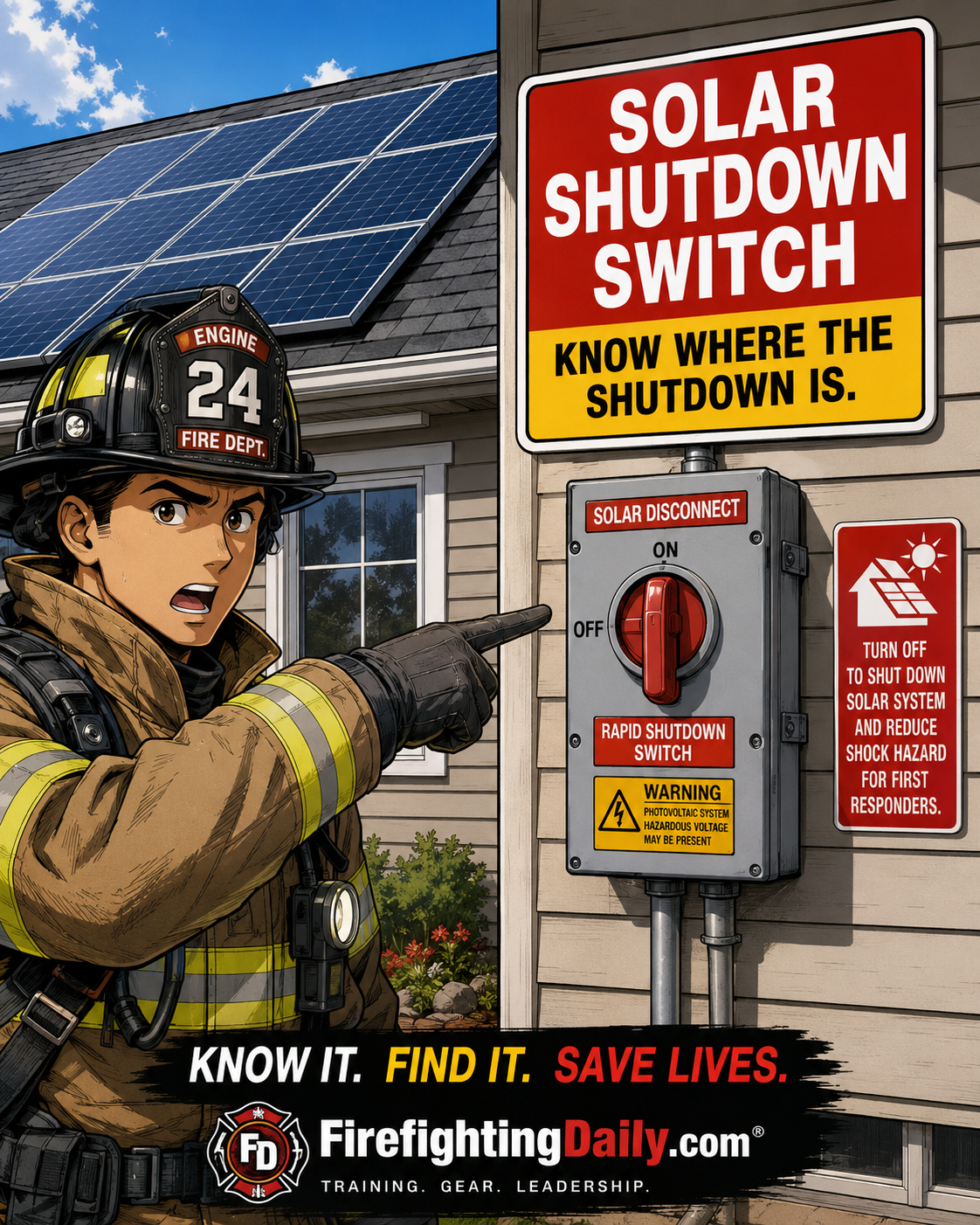
Clear labels
Labels help responders and service crews understand what equipment is present.
Labels and placards
Labels are small, but they do important work. They can identify PV arrays, inverters, batteries, disconnects, rapid shutdown devices, utility service equipment, backup circuits, and emergency controls. Labels should remain legible, visible, and accurate after system changes.
Labeling reminders
- Do not paint over or remove warning labels.
- Keep disconnects and shutdown labels visible.
- Update labels when equipment changes.
- Keep equipment rooms, garages, and exterior equipment areas uncluttered.
- Use qualified professionals for repairs, additions, or relocations.
- Follow local fire, building, and electrical requirements.
Battery energy storage systems
Battery energy storage systems can provide backup power and resilience, but they store significant energy. Installation location, spacing, listing, ventilation, clearances, disconnects, labels, working space, wall protection, and manufacturer instructions all matter. Requirements vary by jurisdiction, code cycle, product, and installation type.
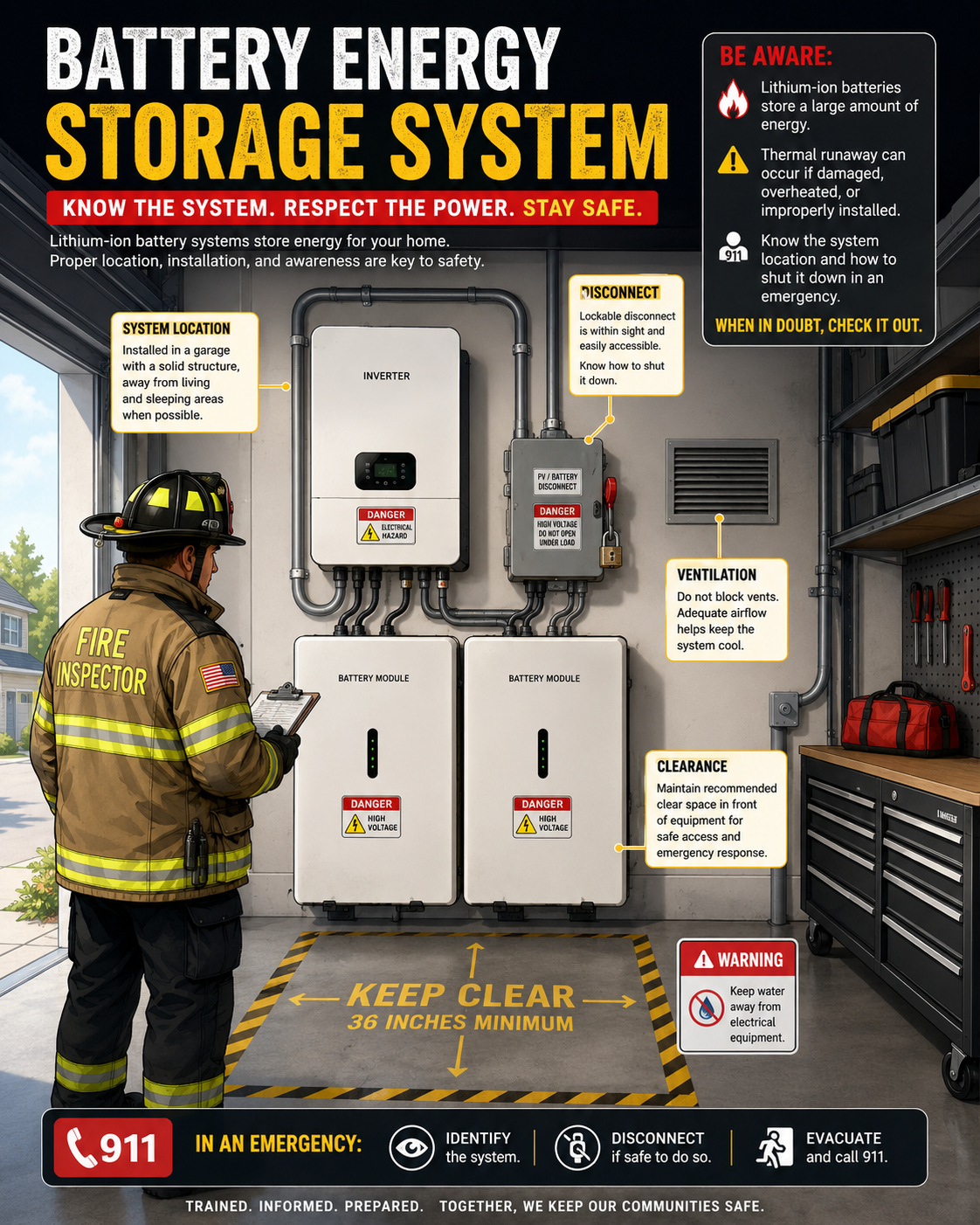
Stored energy deserves respect.
Battery equipment should be installed, labeled, protected, and maintained according to applicable requirements.
Battery disconnects and access
Responders and service workers need to understand where battery equipment is located and how it is intended to be isolated. Some battery systems have integrated disconnects; some have external disconnects; some use inverter-integrated breakers or manufacturer-specific controls. The design must match the approved plans, equipment listings, and local authority requirements.
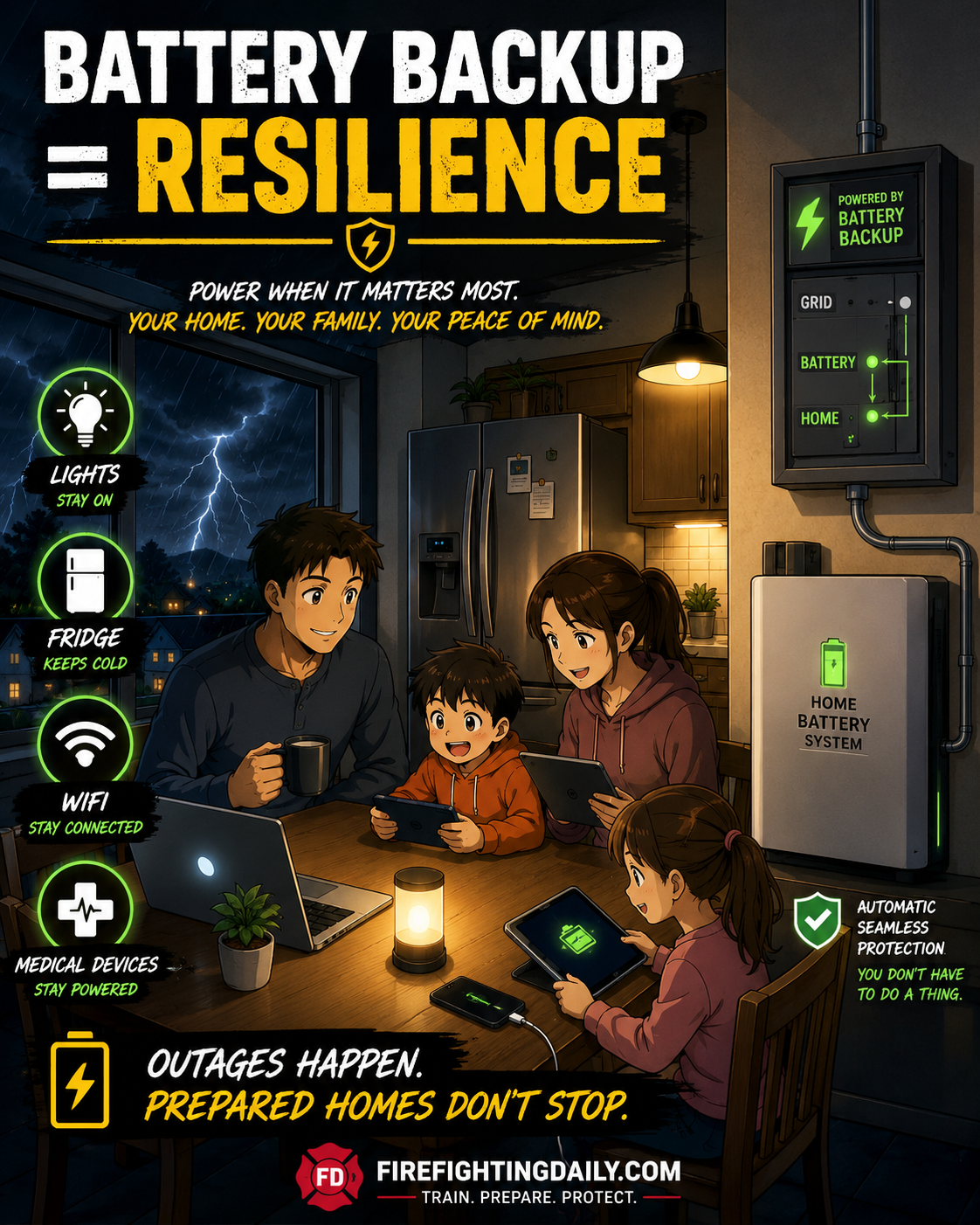
Backup power
Battery backup can support resilience, but the system still needs emergency clarity.

Know the equipment
Owners should know where equipment is located and keep access clear.
EV chargers and garage safety
EV chargers should be installed by qualified professionals using proper equipment, circuits, protection, and permits. Damaged cables, improper outlets, overloaded circuits, physical impact, or water intrusion can create hazards. A charging area should remain clear, accessible, and free of stored combustible clutter.
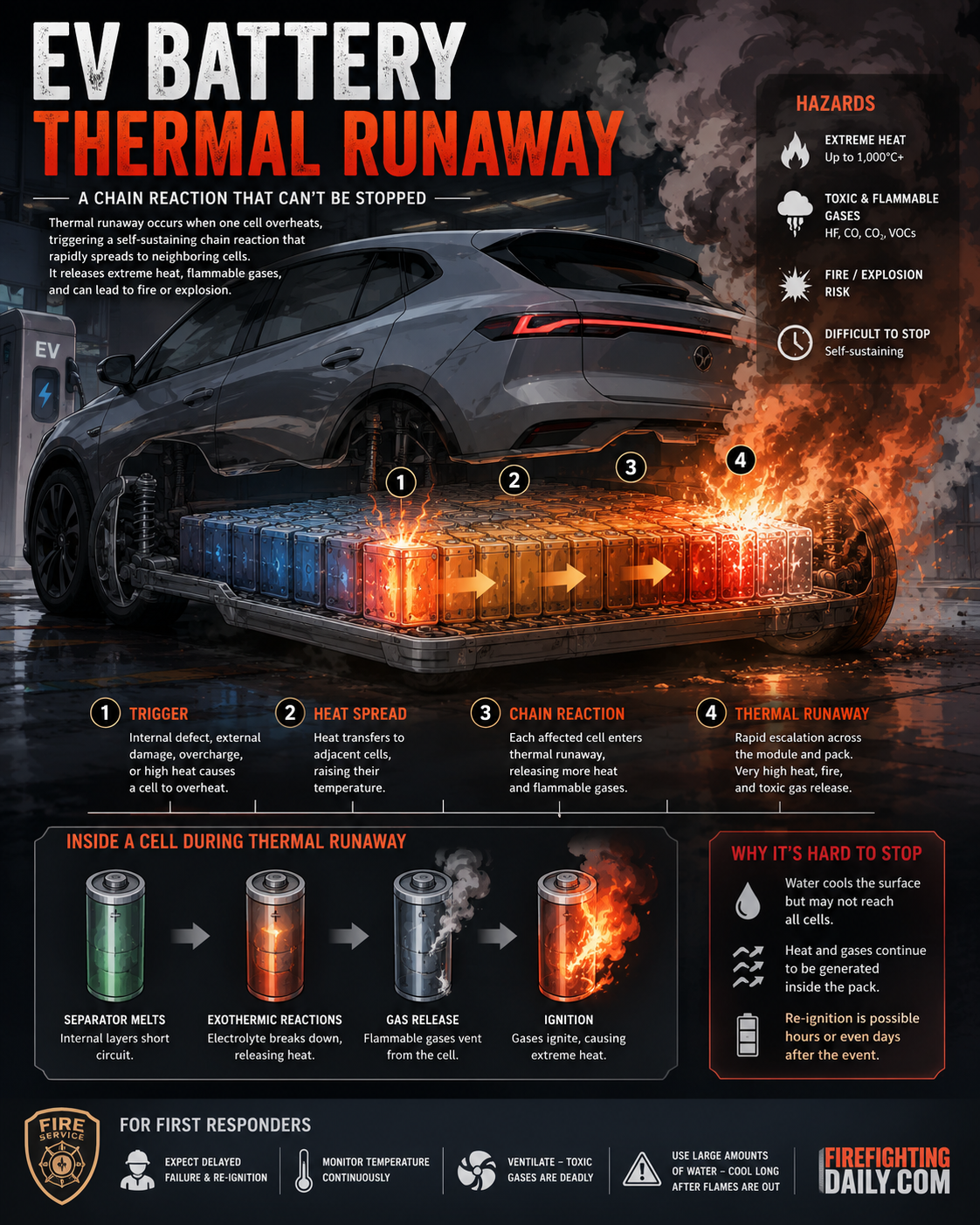
EV battery incidents need distance and trained response.
If an EV is smoking, overheating, burning, hissing, or damaged near the battery, move away and call 911.
Firefighter information at the property
For complex systems, emergency information can help responders. This may include equipment locations, disconnect locations, battery location, solar array location, service equipment location, backup-load panels, generator information, and emergency contacts. Requirements vary, but clarity is always valuable.
Captain Ember says:
“When responders arrive, they should not have to solve an electrical mystery before solving the emergency.”
Wildfire and solar/battery homes
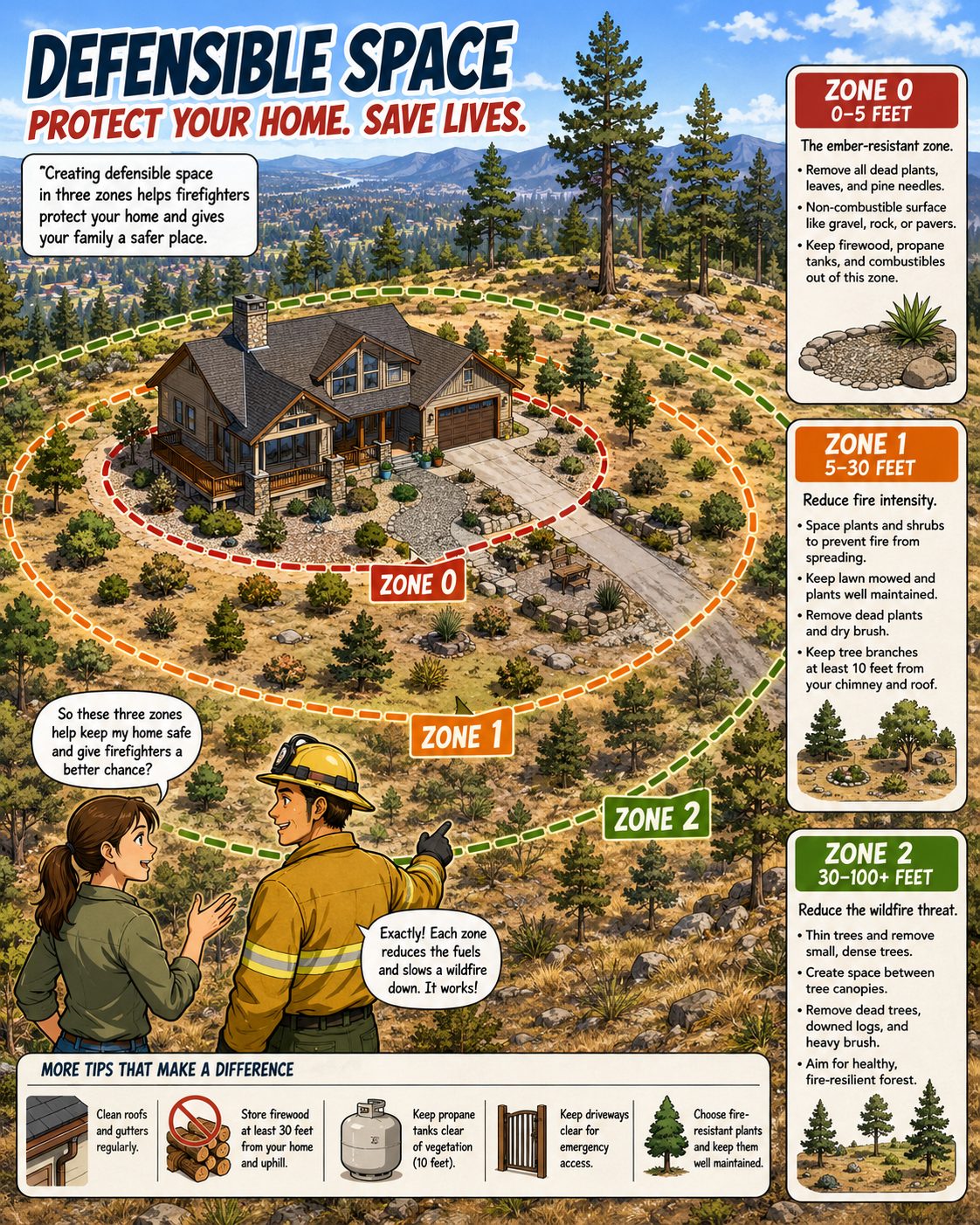
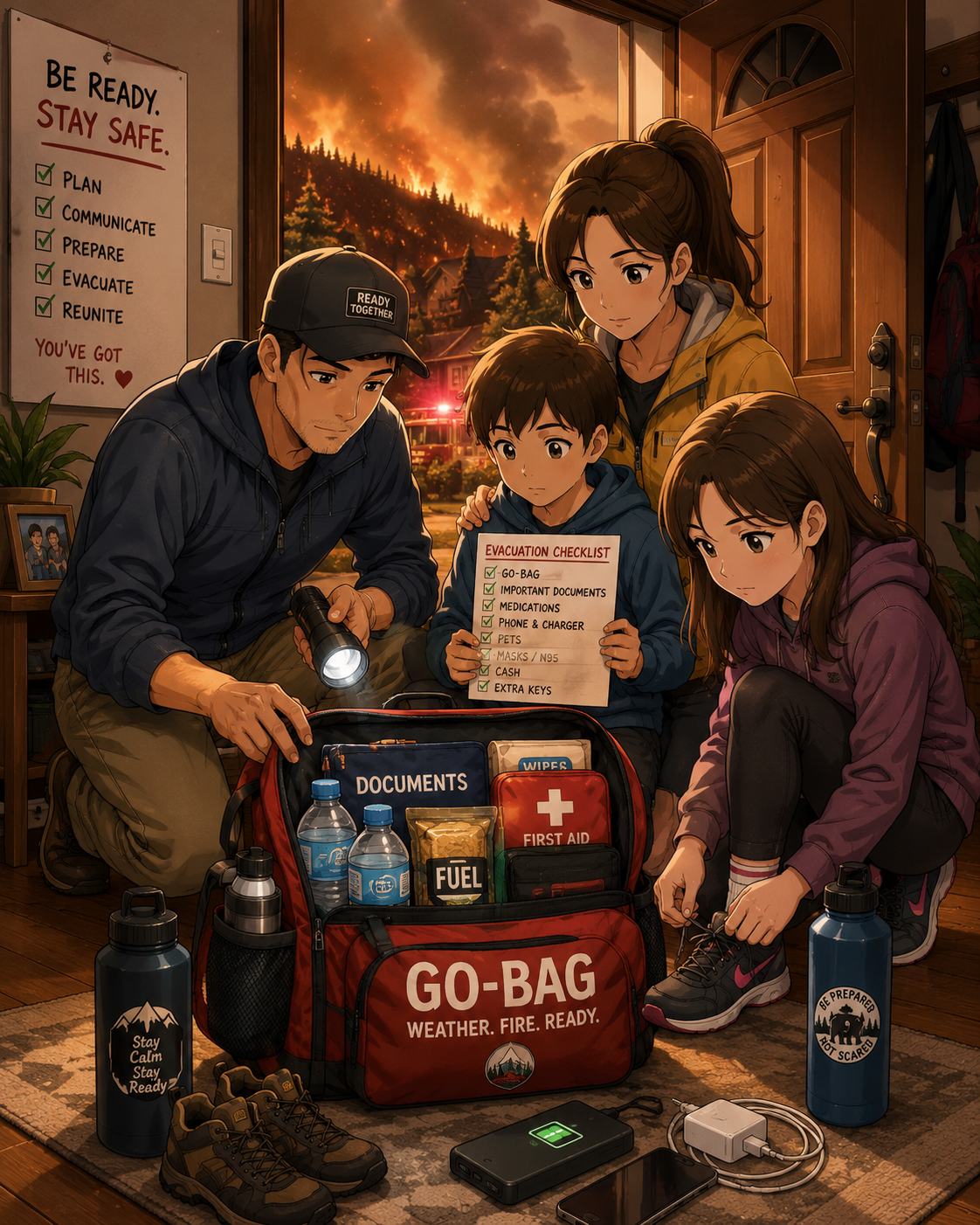
In wildfire areas, solar and battery systems should be part of the defensible-space conversation. Keep vegetation, storage, and debris away from exterior equipment. Clean roof debris. Maintain access pathways. Make sure labels and shutdown locations remain visible. Prepare evacuation plans and go-bags before red flag weather.
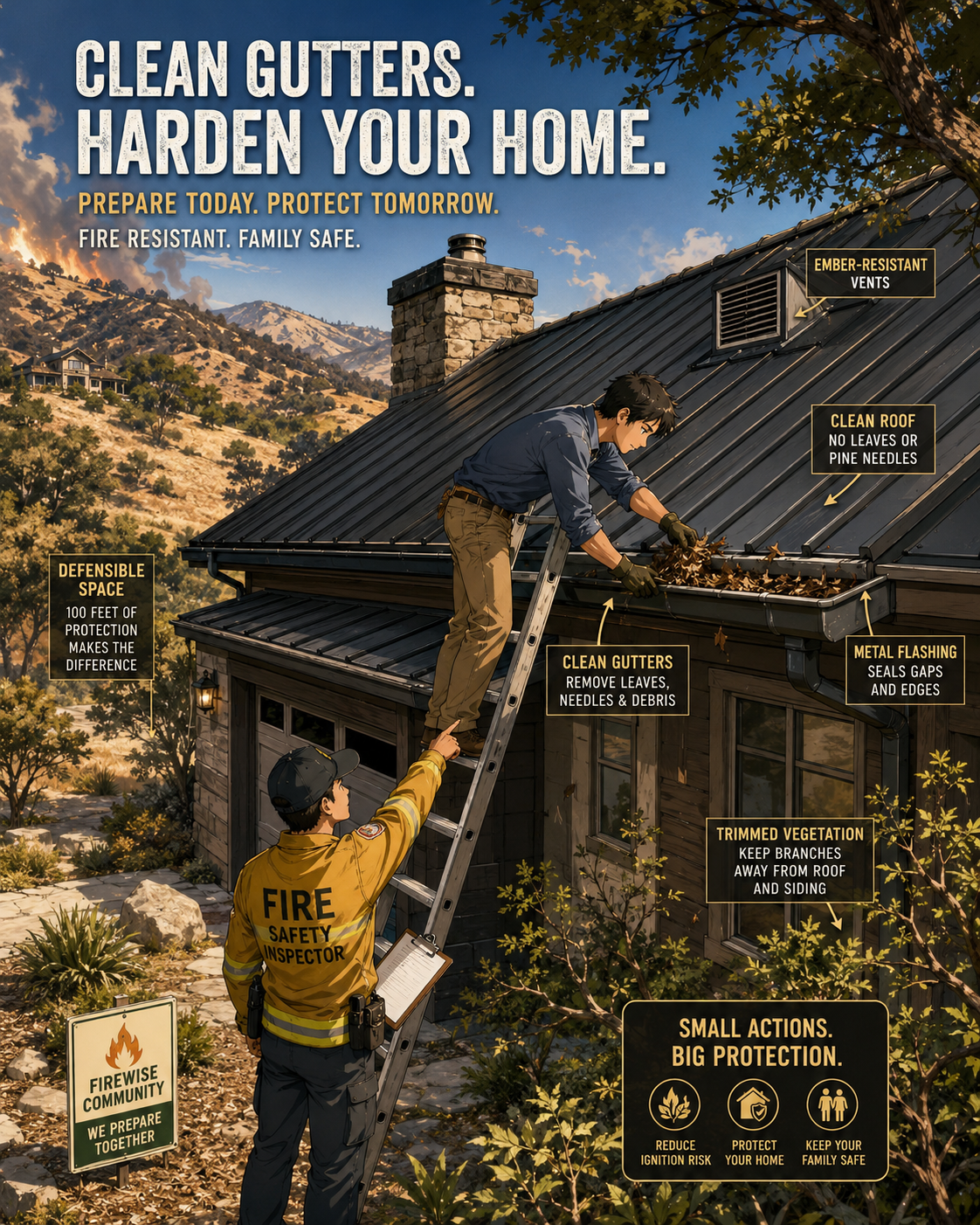
Evacuation ready
Backup power does not replace evacuation orders or wildfire alerts.
Wildfire basicsMicrogrids and fire stations
Solar, batteries, and microgrids can support critical facilities such as fire stations, community centers, shelters, pump stations, and communications sites. A well-designed microgrid can help keep essential loads powered during outages, but it must be installed, labeled, maintained, and coordinated with emergency operations.
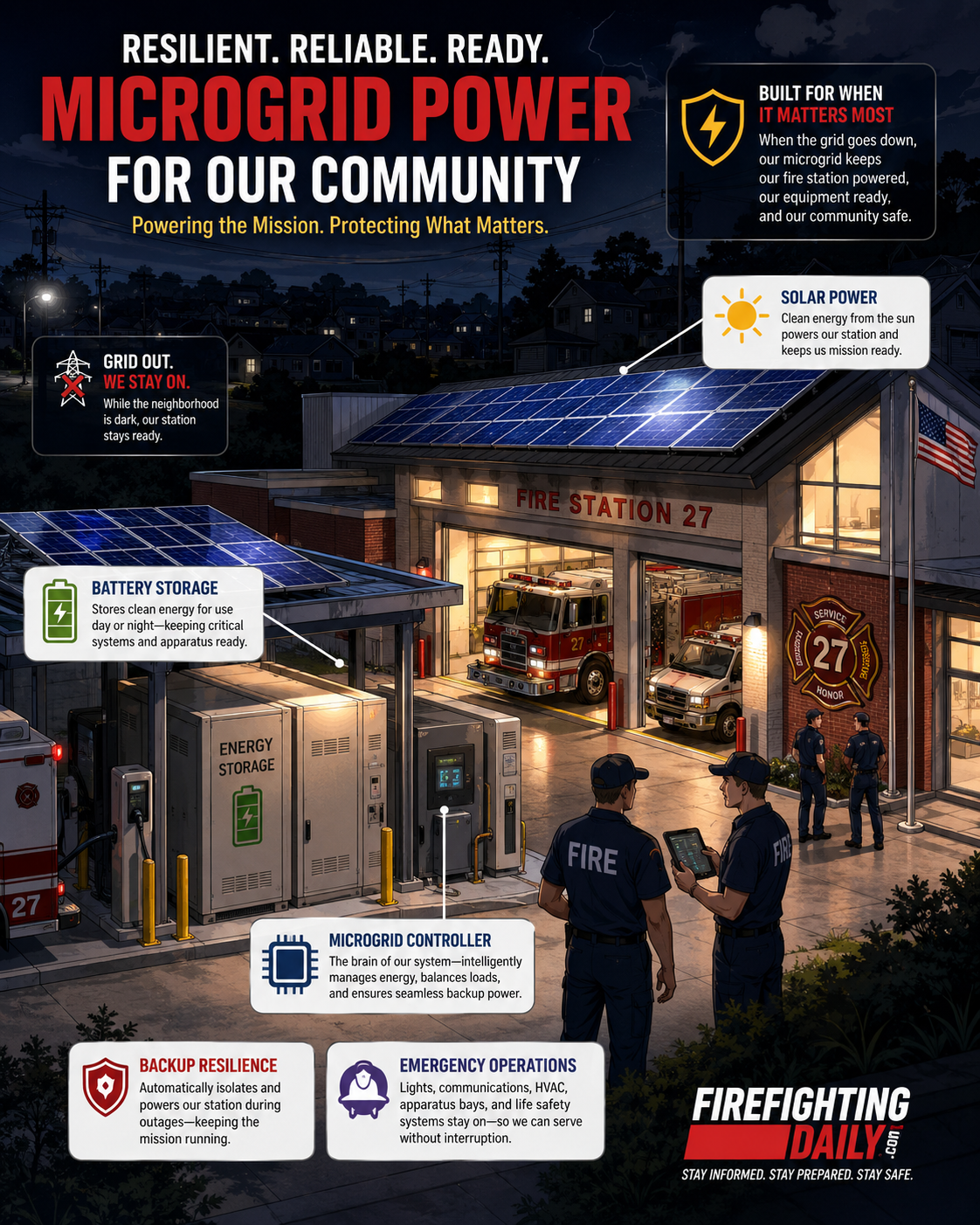
Resilience and safety should work together.
Backup power is strongest when the system is clear, inspected, maintained, and responder-friendly.
What homeowners should not do
Do not open battery cabinets, modify electrical equipment, bypass disconnects, cover labels, block access, store flammables around energy equipment, use damaged charging cords, or attempt to service high-voltage systems without qualified training.
Public safety checklist
- Use qualified, licensed professionals for solar, battery, EV charger, and electrical work.
- Keep labels visible and accurate.
- Keep shutdowns and disconnects accessible.
- Do not store combustibles against batteries, inverters, chargers, or panels.
- Keep roof access paths and equipment areas clear where required.
- Maintain smoke alarms and home escape plans.
- Call 911 if there is smoke, heat, fire, popping, hissing, or unusual battery behavior.
- Follow local fire, electrical, building, and utility requirements.
How this connects to ABC Solar
FirefightingDaily is published by ABC Solar Incorporated, so solar and battery safety belongs naturally on this site. The message is practical: clean energy should be built with permits, proper equipment, clear labels, good access, code compliance, and respect for emergency responders.

Solar is part of the building story.
The array, inverter, battery, service panel, labels, access paths, and shutdowns all matter during response planning.
Captain Ember’s summary
Solar and battery systems can be safe, useful, and resilient when properly designed, installed, labeled, inspected, and maintained. Fire safety improves when owners keep access clear, responders can identify equipment quickly, and everyone understands that stored energy deserves respect.