The big idea
Defensible space is preparation, not a guarantee.
Defensible space can reduce the fuel near a home, slow fire spread, reduce ember ignition opportunities, and improve working conditions for firefighters when it is safe for them to defend the area. It does not make a home fireproof, and it does not replace evacuation.
The goal is to make the area around the home less inviting to wildfire: fewer dry fuels, fewer continuous fuel paths, cleaner roofs and gutters, better access, and fewer ember traps.
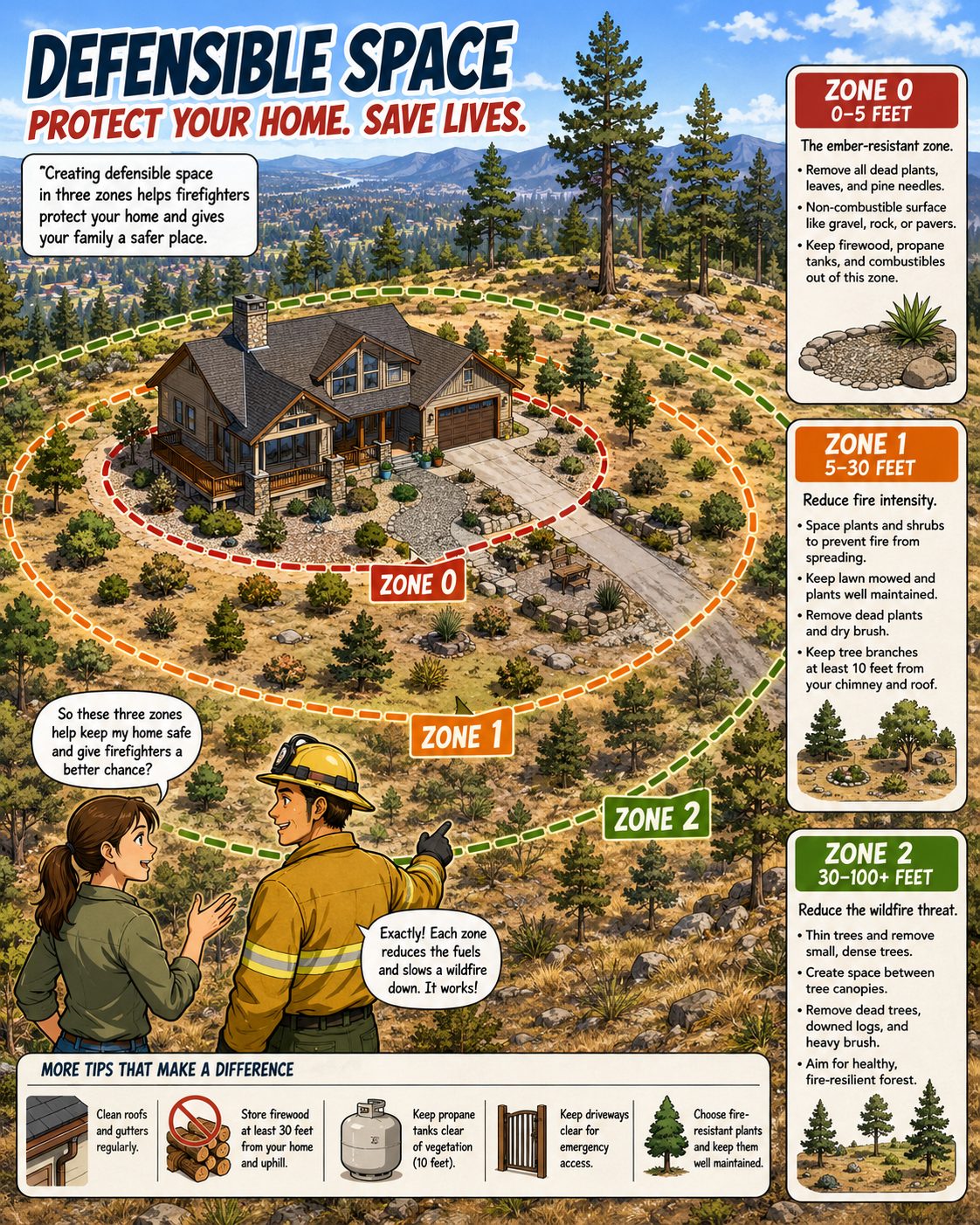
Think in zones.
The closer fuel is to the home, the more attention it deserves.
Start closest to the home
The area right next to the house is especially important because embers often land where small fuel has collected. Dry leaves, pine needles, mulch, doormats, patio cushions, wood piles, fences, decks, and debris under stairs can all become ignition points.


Roofs and gutters
Roofs and gutters can collect dry leaves, pine needles, and small debris. During ember storms, that material can become fuel. Cleaning roofs and gutters is one of the most practical defensible-space habits for many homes.

Remove fuel from the roofline.
Embers do not need a forest when a gutter full of dry debris is waiting.
Brush clearance and fuel spacing
Brush clearance reduces the amount of fuel available around a structure. Spacing, trimming, maintenance, and removal of dead vegetation can reduce continuous fuel paths. Exact clearance requirements vary by location, property type, vegetation, slope, and local rules.
Important local-rule note
Defensible-space distances and requirements vary. Always follow your local fire authority, city, county, state, HOA, insurance, and environmental rules. This page is general education, not code advice.
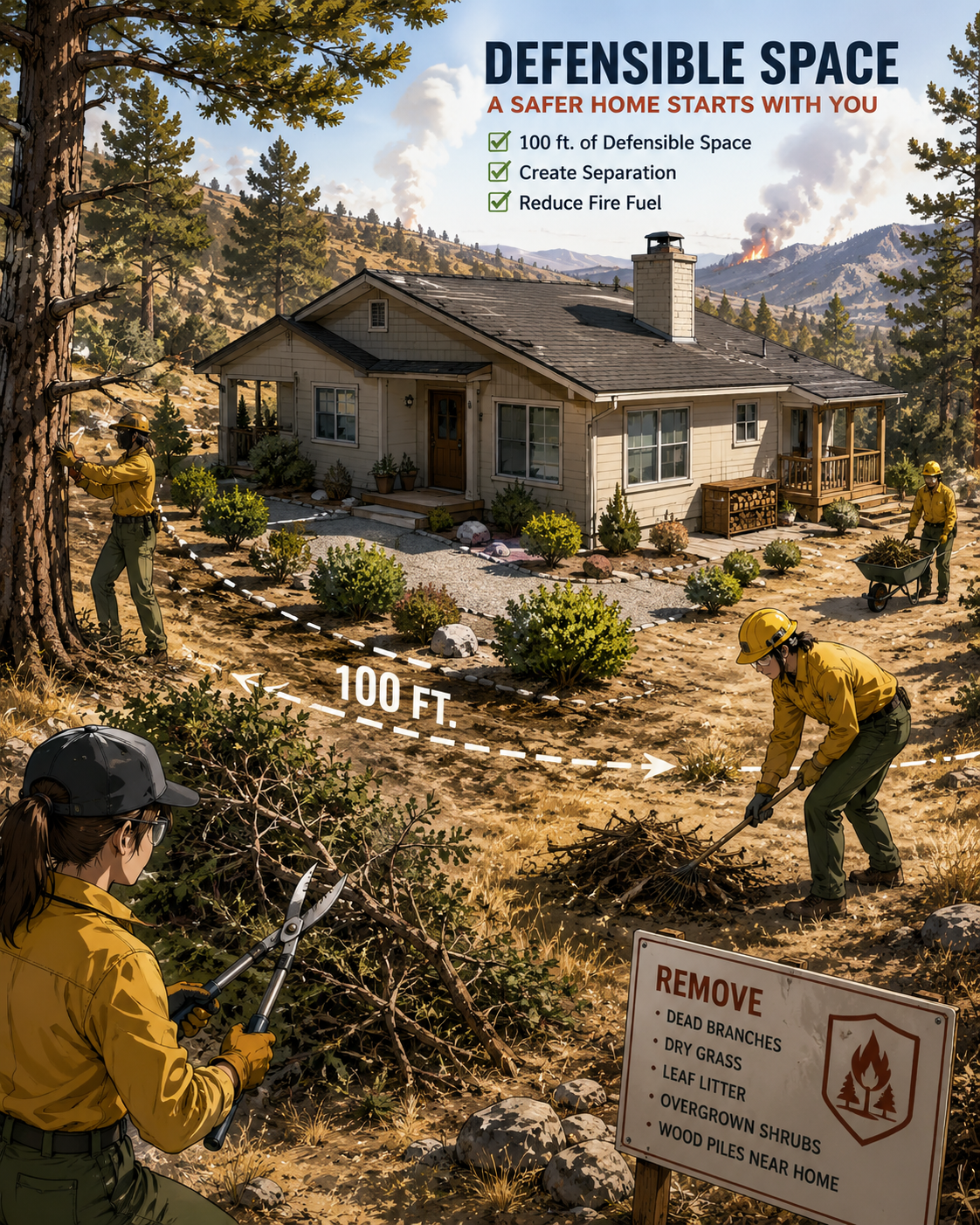
Break the fuel path.
Fuel spacing can make it harder for fire to move continuously toward the home.
Decks, fences, and outdoor storage
Decks, fences, sheds, wood piles, trash bins, outdoor furniture, patio cushions, and stored materials can create paths for fire. A fence that connects directly to the house, a wood pile against siding, or dry debris under a deck can become a bridge for embers and flames.
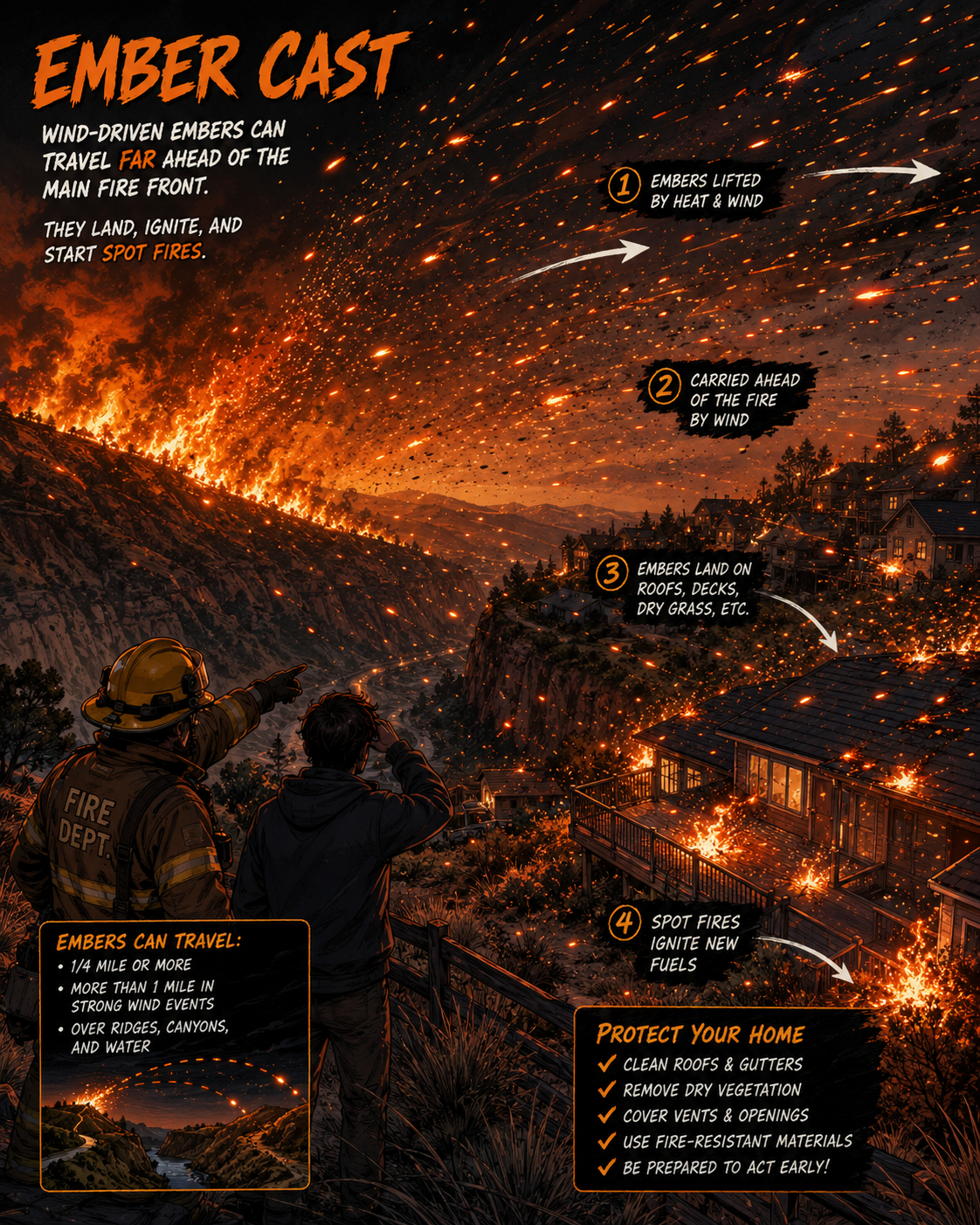
Flying embers
Embers can land on decks, fences, bins, and dry outdoor materials.

Clear storage
Combustible items near walls and decks can become ignition points.
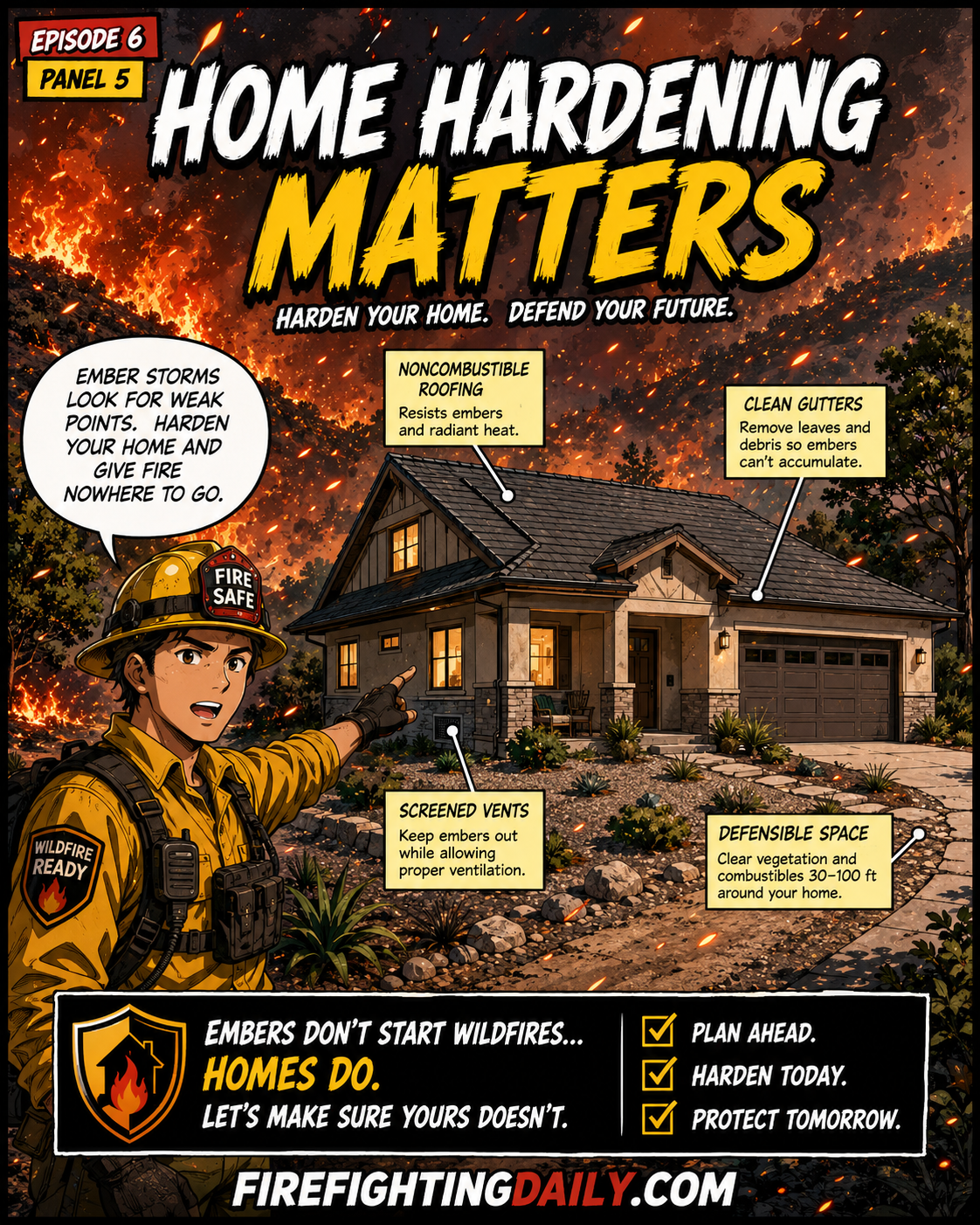
Hardening matters
Episode 6 shows why the home itself has to resist wildfire exposure.
Access for firefighters
Defensible space is also about access. Firefighters need visible addresses, clear driveways, accessible gates, adequate turnarounds where required, and space to work safely. Overgrown vegetation, narrow access, blocked roads, hidden hydrants, and locked gates can slow response.

Access supports command decisions.
Crews consider roads, water, escape routes, turnaround space, visibility, and whether defense is safe.
Water supply and hydrant access
In neighborhoods with hydrants, hydrant access still matters during wildfire response. Keep hydrants visible and clear. In areas without hydrants, responders may rely on tanks, tenders, drafting sites, pumps, or pre-planned water sources.


Wildland engines
Brush engines support wildfire response where roads and terrain are difficult.
Fire enginesEvacuation readiness is part of defensible space
Defensible space helps reduce risk, but evacuation saves lives. A prepared property should be paired with prepared people: go-bags, alert systems, transportation plans, pet plans, medication plans, and early attention to official warnings.

Prepare the exit, not just the yard.
When evacuation orders come, the safest response is prompt action.
Solar, batteries, and defensible space
Homes with rooftop solar, battery storage, EV chargers, generators, or backup power equipment need defensible-space thinking too. Keep vegetation and combustible storage managed around equipment. Maintain working clearance, labels, access pathways, and shutdown visibility according to installation requirements and local guidance.
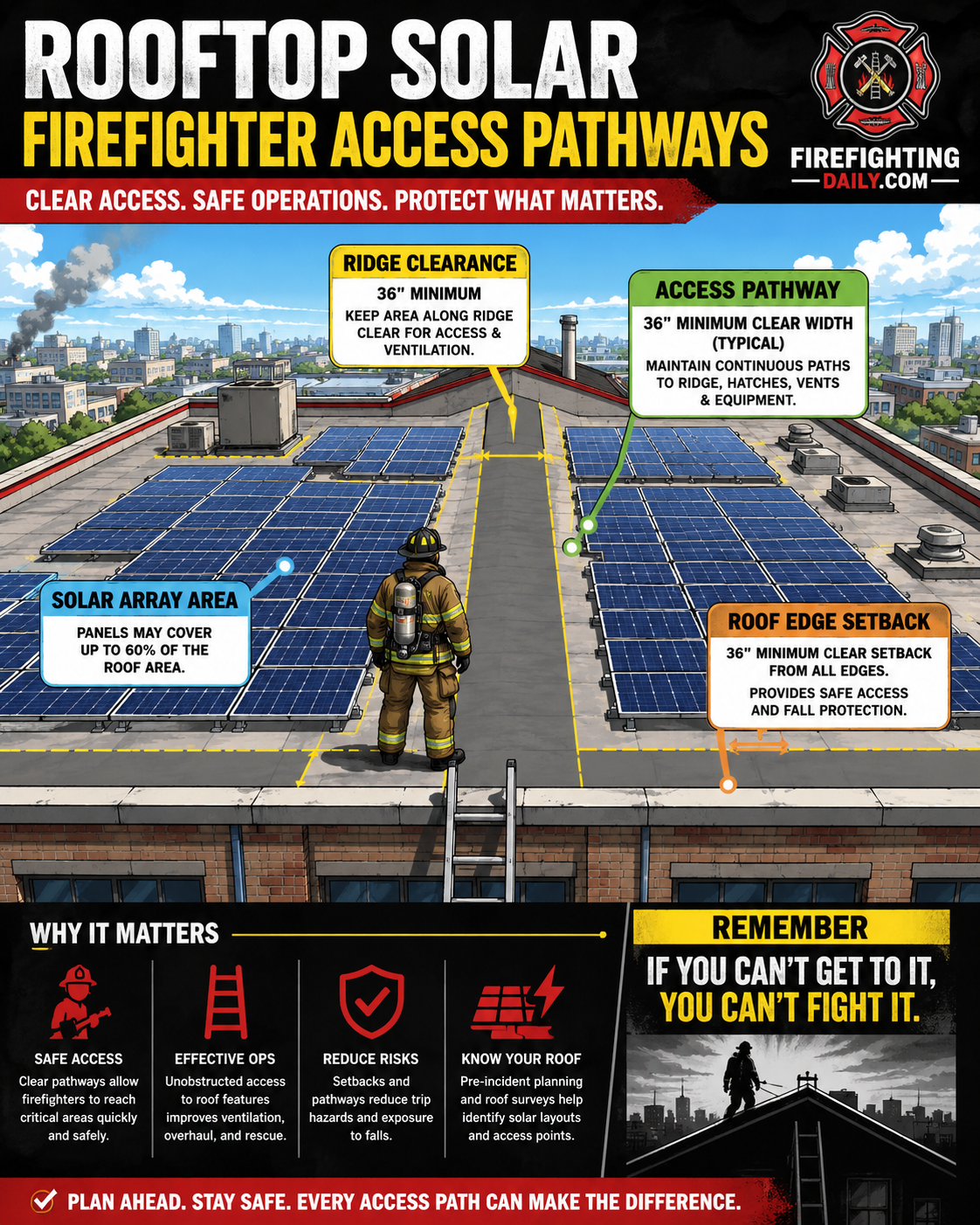
Roof pathways
Firefighter roof access can be affected by solar layout and roof conditions.
Solar safety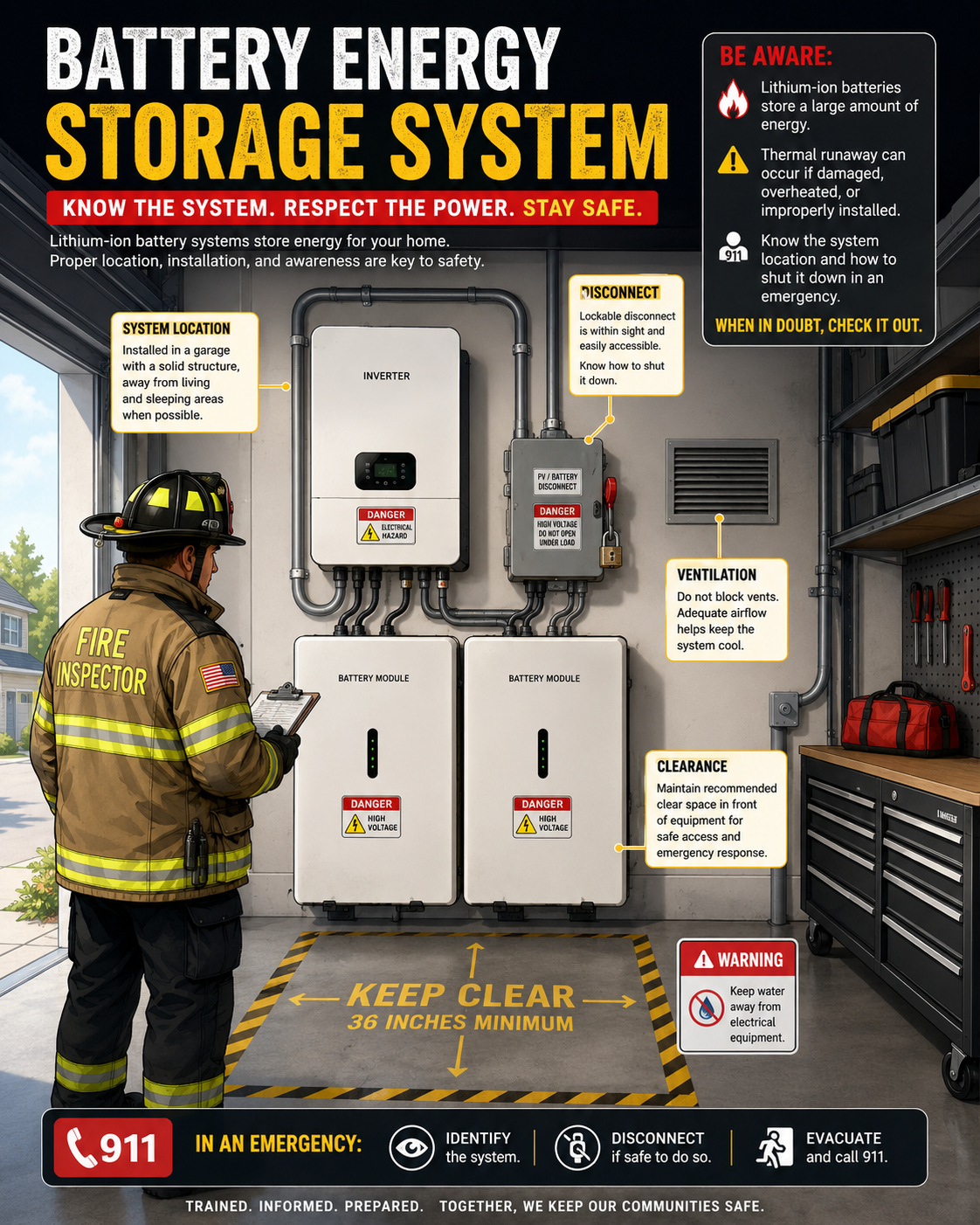
Battery areas
Keep equipment areas clear, labeled, and accessible for inspection and response.
Battery safety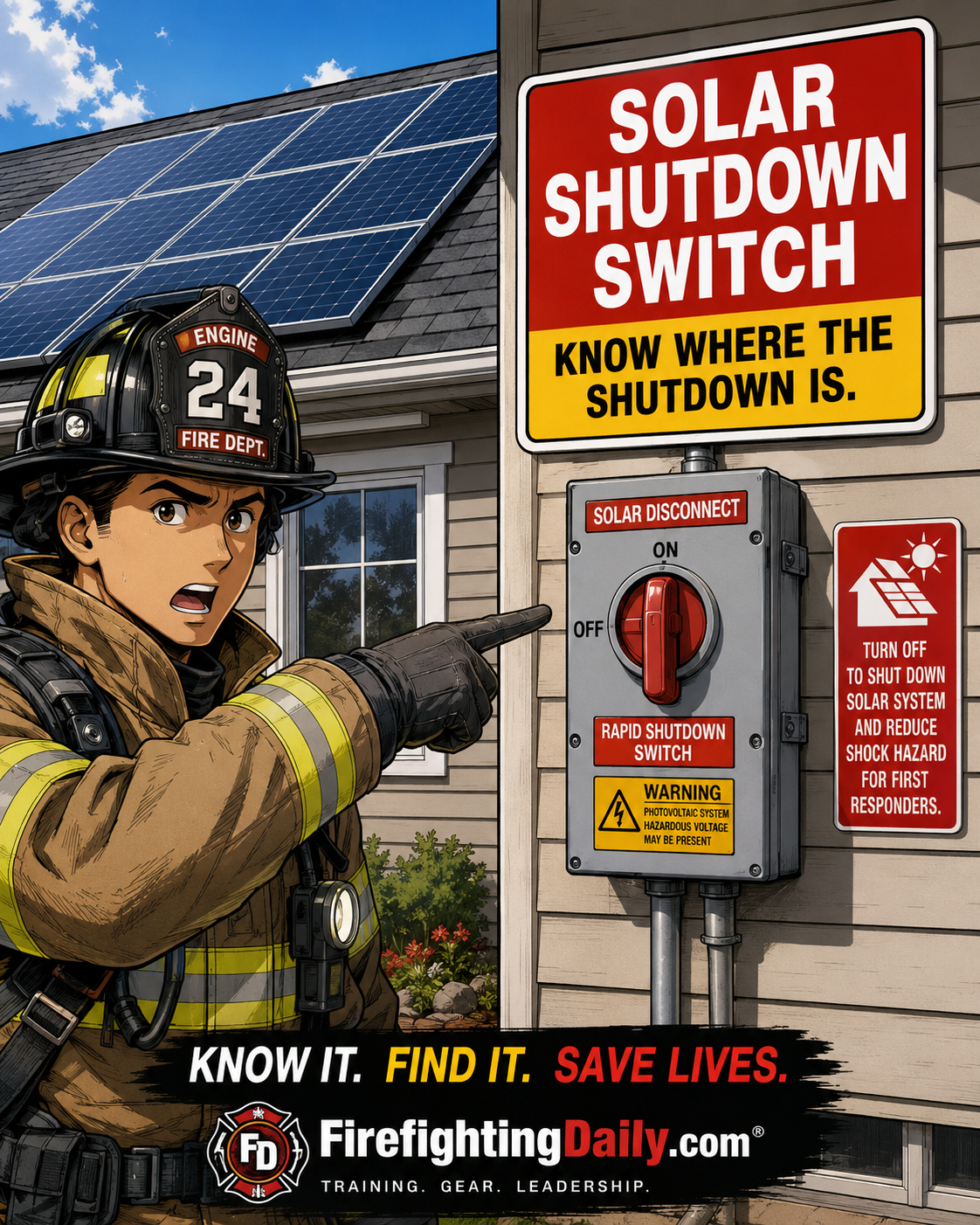
Shutdown labels
Responders benefit from clear equipment labels and accessible disconnects.
Learn moreSeasonal maintenance
Defensible space is not a one-time cleanup. Plants grow back. Leaves fall. Wind brings debris. Outdoor storage moves. Gutters fill. Maintenance should happen before wildfire weather, not during the warning.
Defensible-space checklist
- Clean roof, gutters, and roof valleys.
- Remove dry leaves, pine needles, and dead vegetation near the home.
- Keep combustible storage away from exterior walls where practical.
- Clear debris under decks, stairs, and exterior structures.
- Trim or space vegetation according to local rules.
- Keep hydrants, driveways, gates, and address numbers visible.
- Prepare go-bags and evacuation plans.
- Keep solar/battery labels and access areas clear.
Episode connection: home hardening matters
Episode 6 shows the Wildfire Dragon sending wind and embers ahead of the flame front. The crew learns that home hardening and defensible space matter before the fire reaches the street.

The Wildfire Dragon Wakes
A manga lesson about dry brush, wind, embers, fireline, home hardening, and evacuation.
Read episode
Meet Wildfire Dragon
The character who represents wind-driven wildfire, ember storms, dry brush, and terrain.
Character pageCaptain Ember’s summary
Defensible space is not a force field. It is risk reduction. Clean the roofline, reduce fuel, harden weak points, keep access clear, prepare go-bags, and follow evacuation orders when they come.