The big idea
Fire is a chain reaction with consequences.
Fire begins when fuel is heated enough to release vapors that can burn. Those vapors mix with oxygen, ignite, and release more heat. That heat can warm nearby fuel, create more smoke, increase pressure, and spread the fire into new spaces.
Fire science helps explain why a small flame can become a room fire, why smoke can be more dangerous than visible flames, why wind can make wildfire explode across a slope, and why firefighters pay attention to doors, vents, windows, roofs, water supply, and timing.
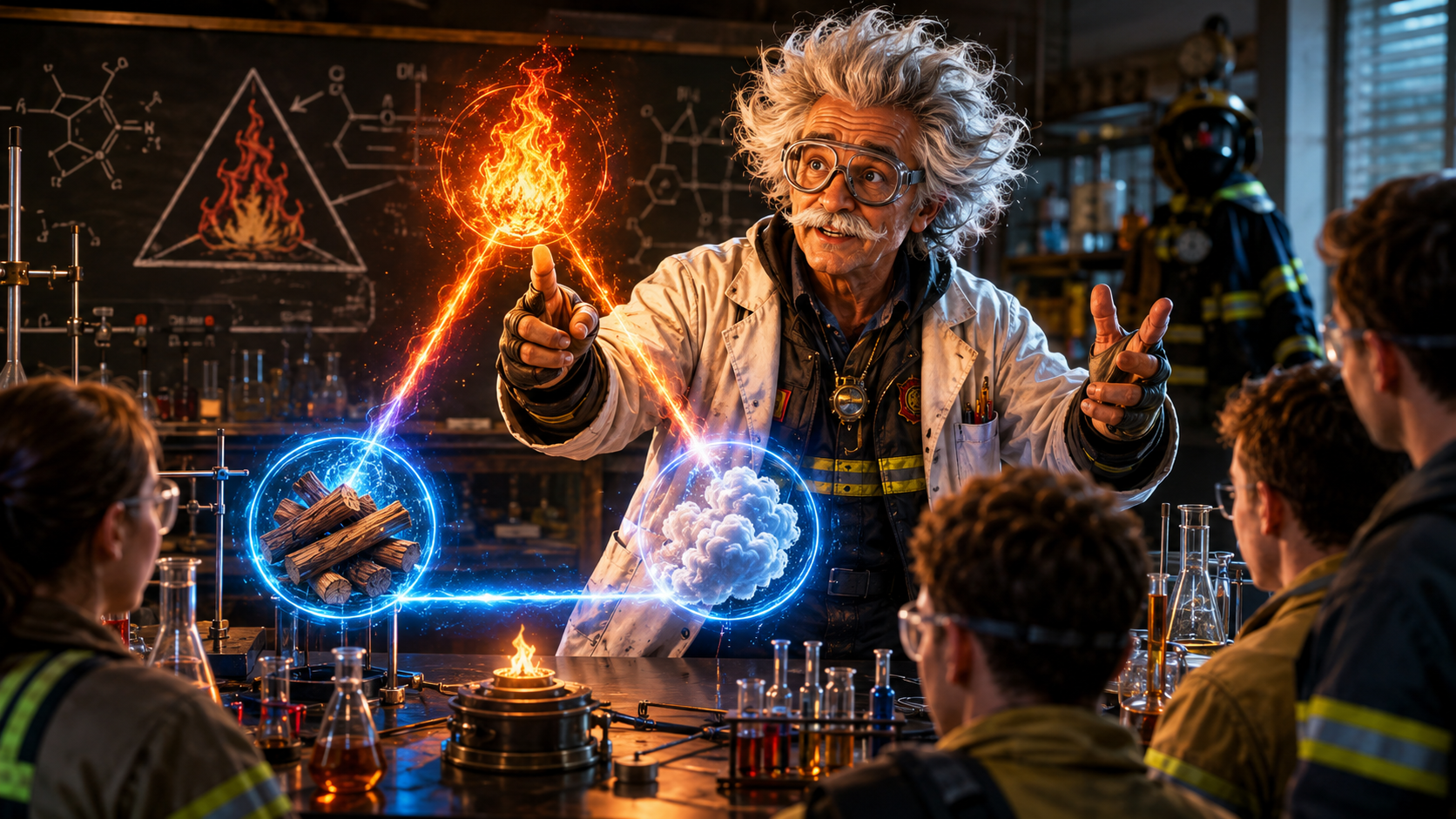
Professor Combustion’s first rule:
Do not just look at the flame. Look at heat, fuel, oxygen, smoke, and airflow.
The fire triangle
The simplest way to explain fire is the fire triangle: heat, fuel, and oxygen. Fire needs all three. Remove enough heat, remove enough fuel, or reduce oxygen enough, and the fire can weaken or go out.
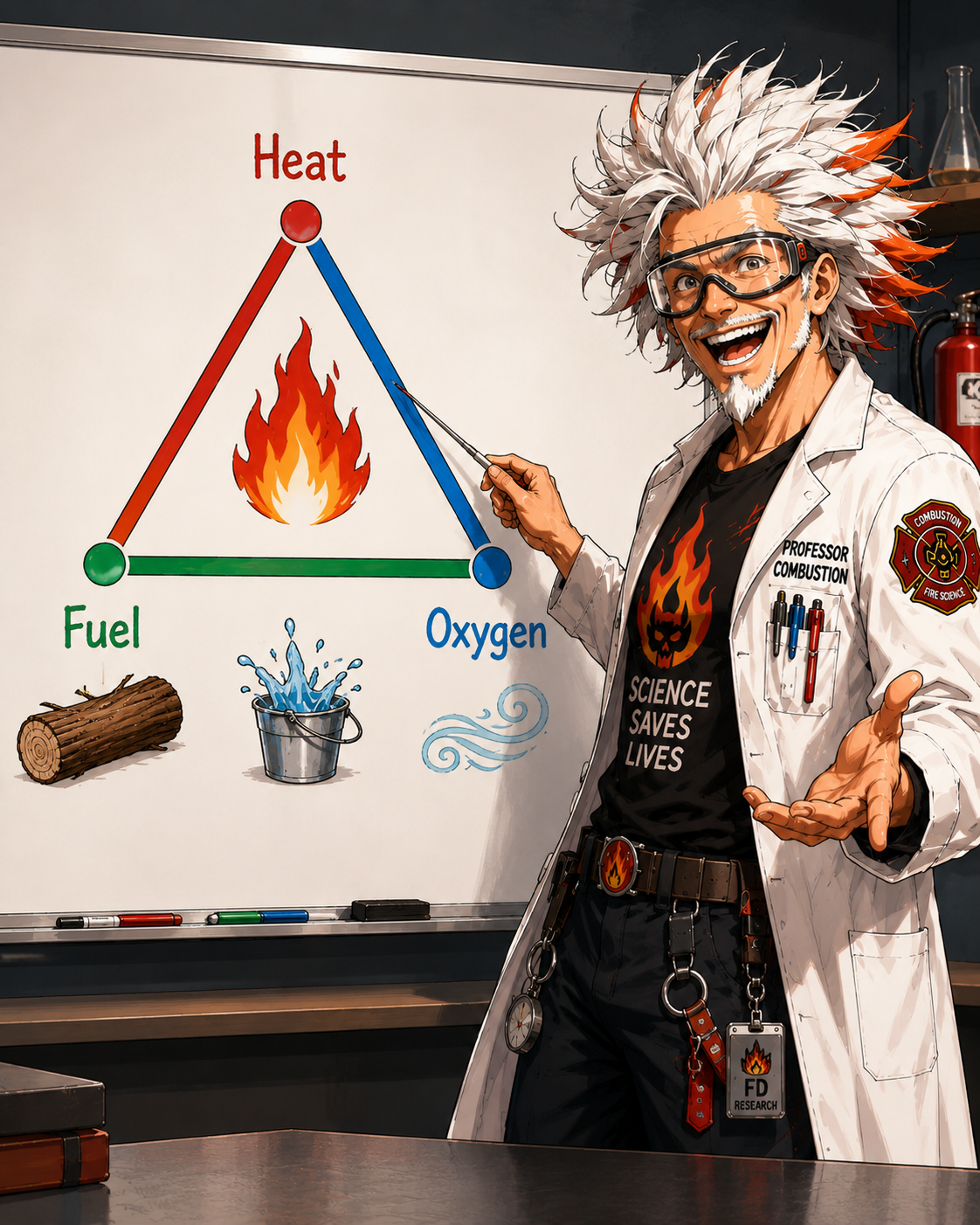
Heat
Heat raises fuel to ignition temperature and keeps the reaction going.
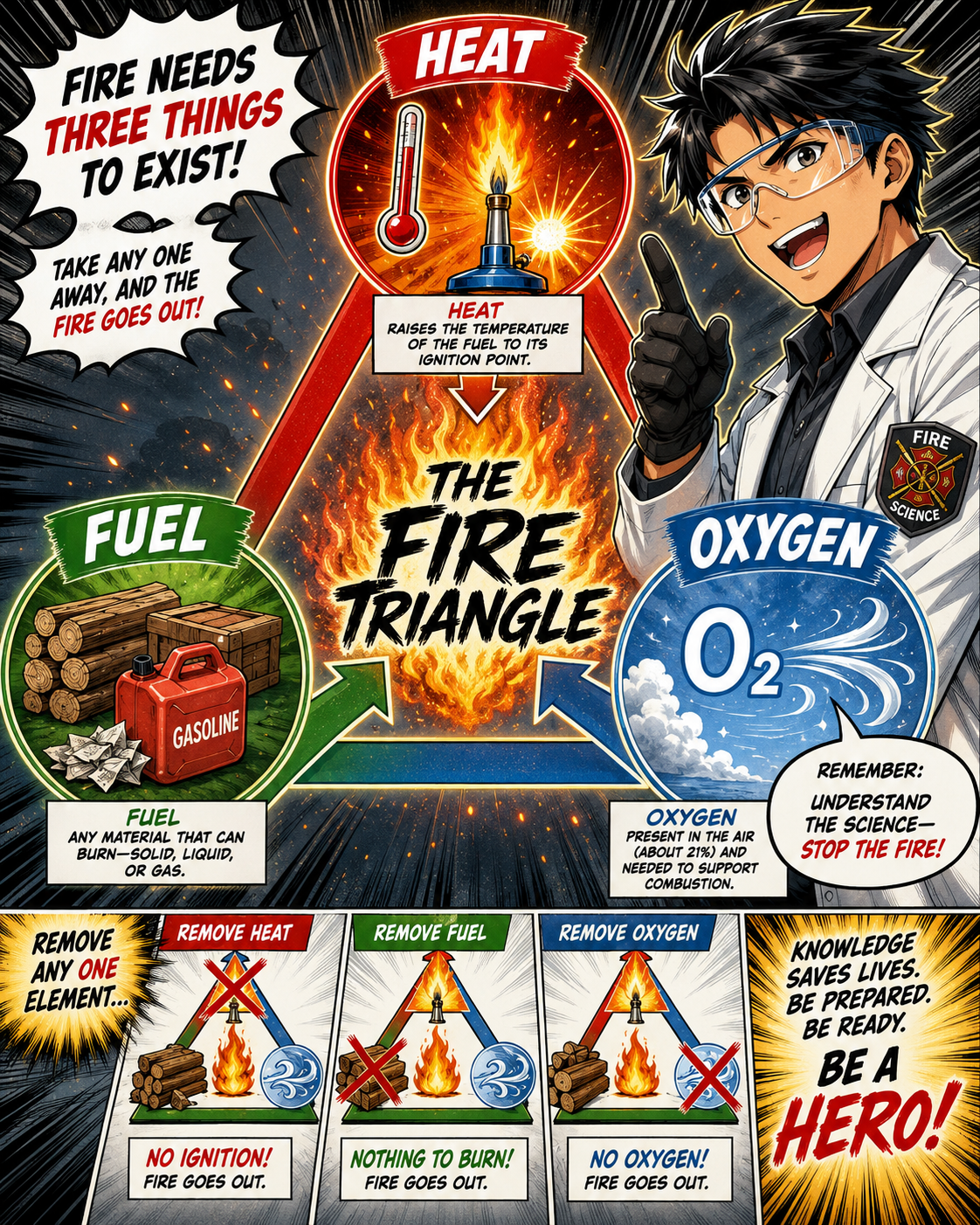
Fuel + Oxygen
Fuel can be wood, paper, fabric, gas, oil, vegetation, plastics, or vapors. Oxygen supports combustion.
Manga memory trick
Heat is the spark. Fuel is the food. Oxygen is the breath. Take one away, and the fire monster gets weaker.
Combustion: what is actually burning?
In many fires, solid materials do not simply “burn” directly. Heat breaks them down and releases flammable gases. Those gases mix with oxygen and burn. That is why smoke matters: smoke can contain heated particles, gases, and unburned fuel.
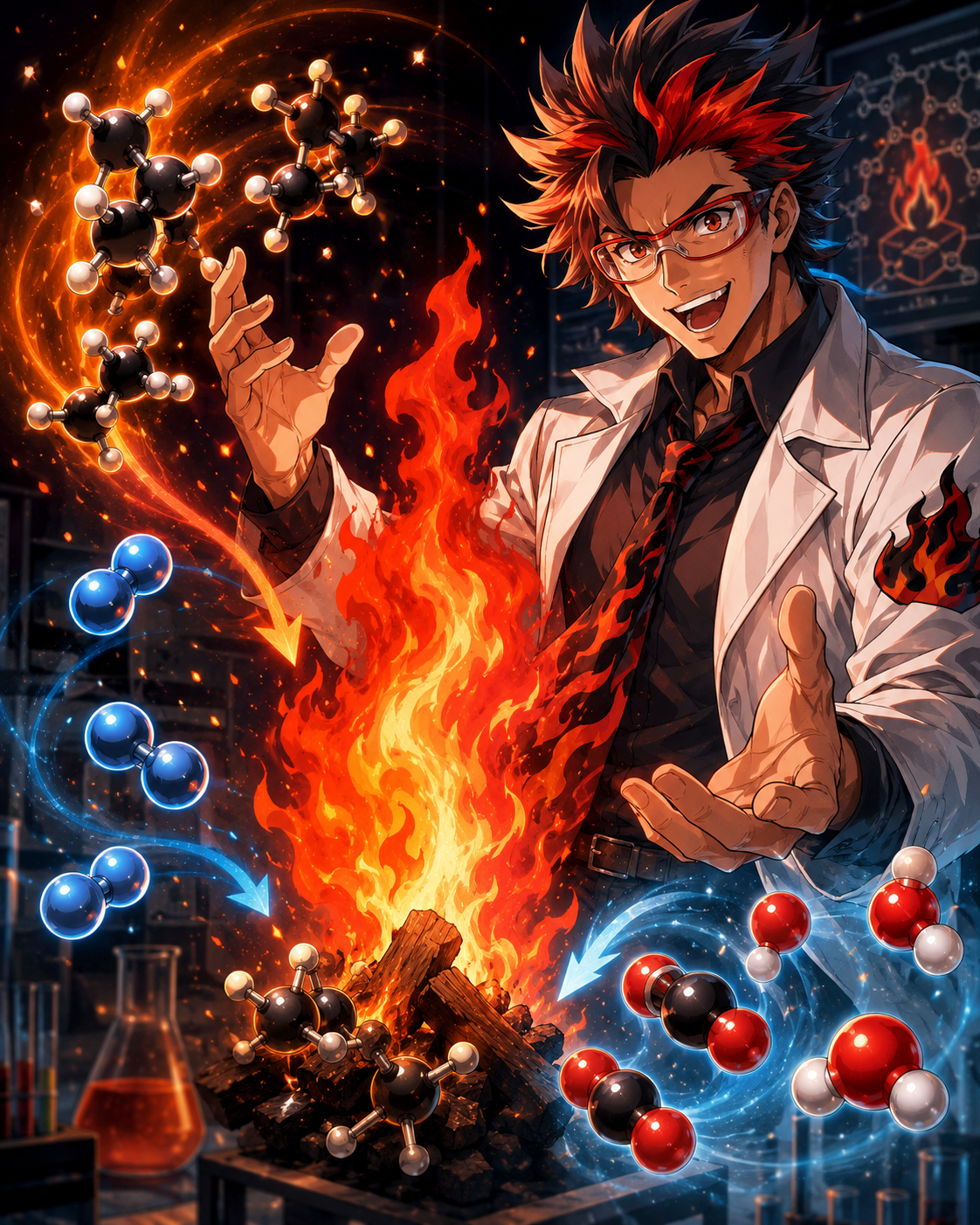
Combustion is chemistry in motion.
Fuel vapors, oxygen, heat, flame, smoke, and byproducts all interact in a fast-moving reaction.
Heat transfer: how fire moves
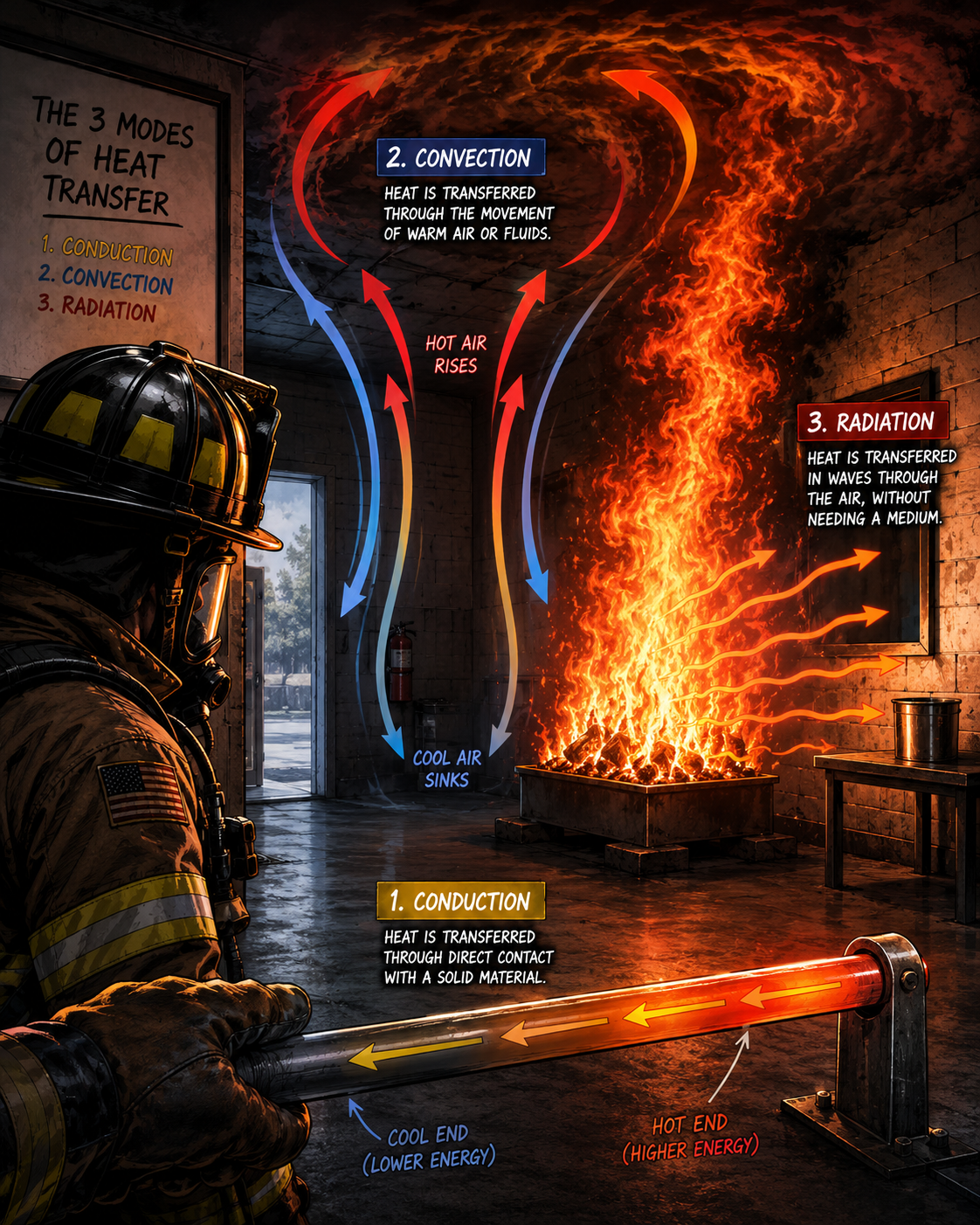
Fire spreads because heat moves. Firefighters often think about three major heat-transfer paths: conduction, convection, and radiation.
Conduction
Heat moves through solid materials, such as metal, walls, pipes, or structural components.
Convection
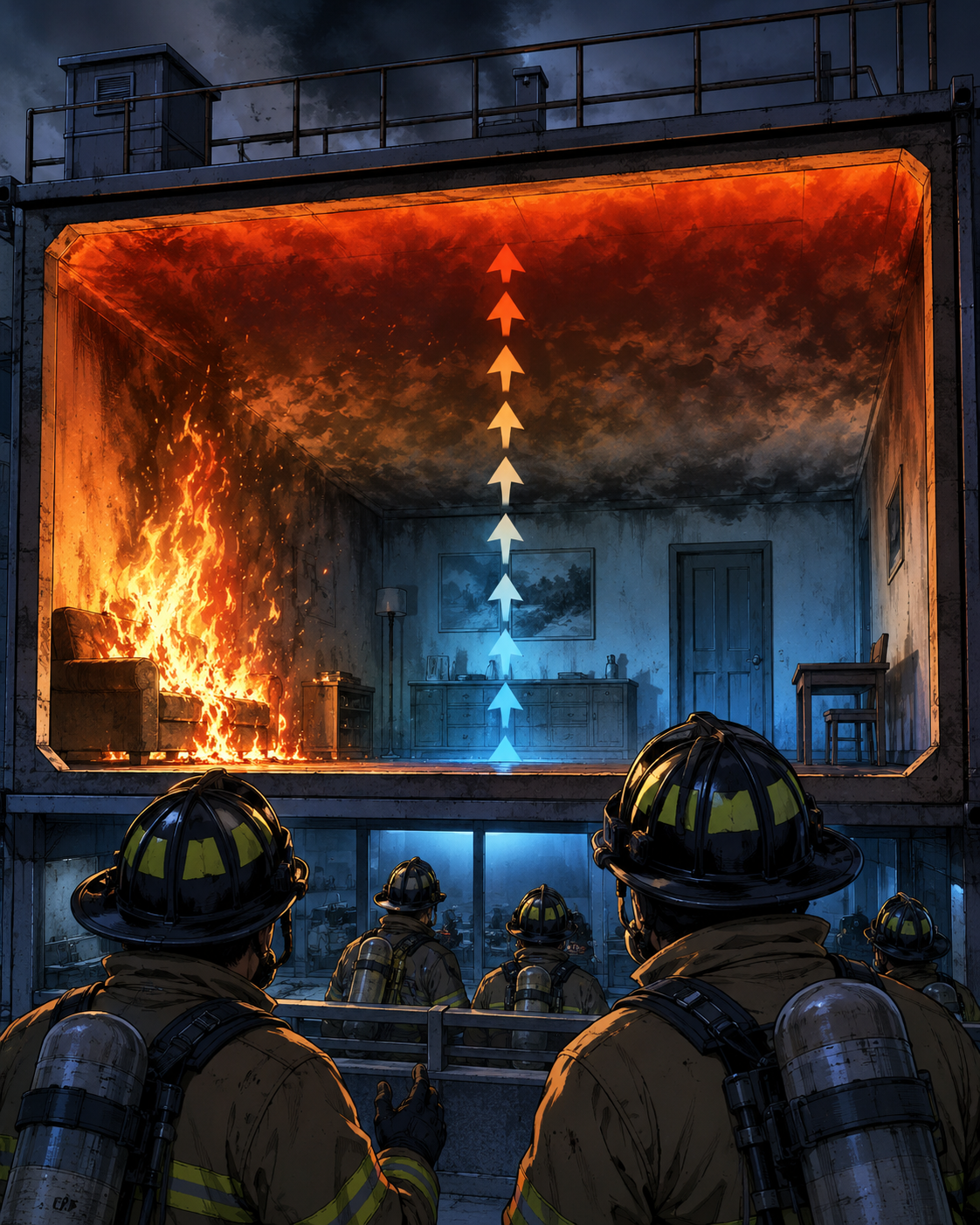
Hot gases and smoke rise and move, carrying heat into upper layers, hallways, attics, and rooms.
Radiation
Heat energy travels through space and can warm nearby fuel even before flame touches it.
Smoke is fuel, warning, and hazard
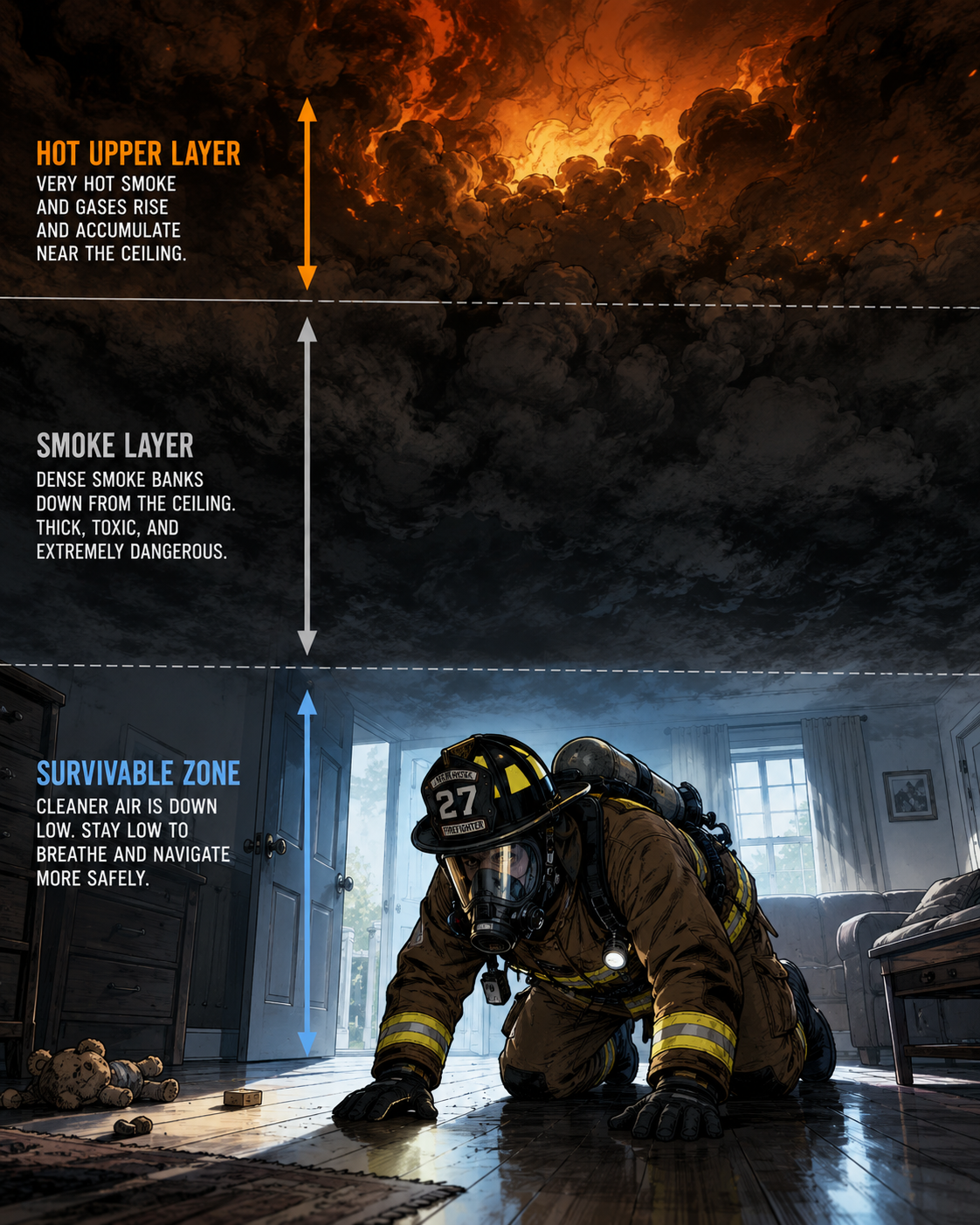
Smoke is not just a dark cloud. It can carry heat, toxic gases, reduced visibility, and unburned fuel. It can hide exits, disorient people, and make breathing dangerous. In a growing fire, smoke behavior can reveal how hot and dangerous conditions are becoming.
Smoke layers
Hot smoke often collects near the ceiling first, then banks downward as the fire grows.
Smoke guide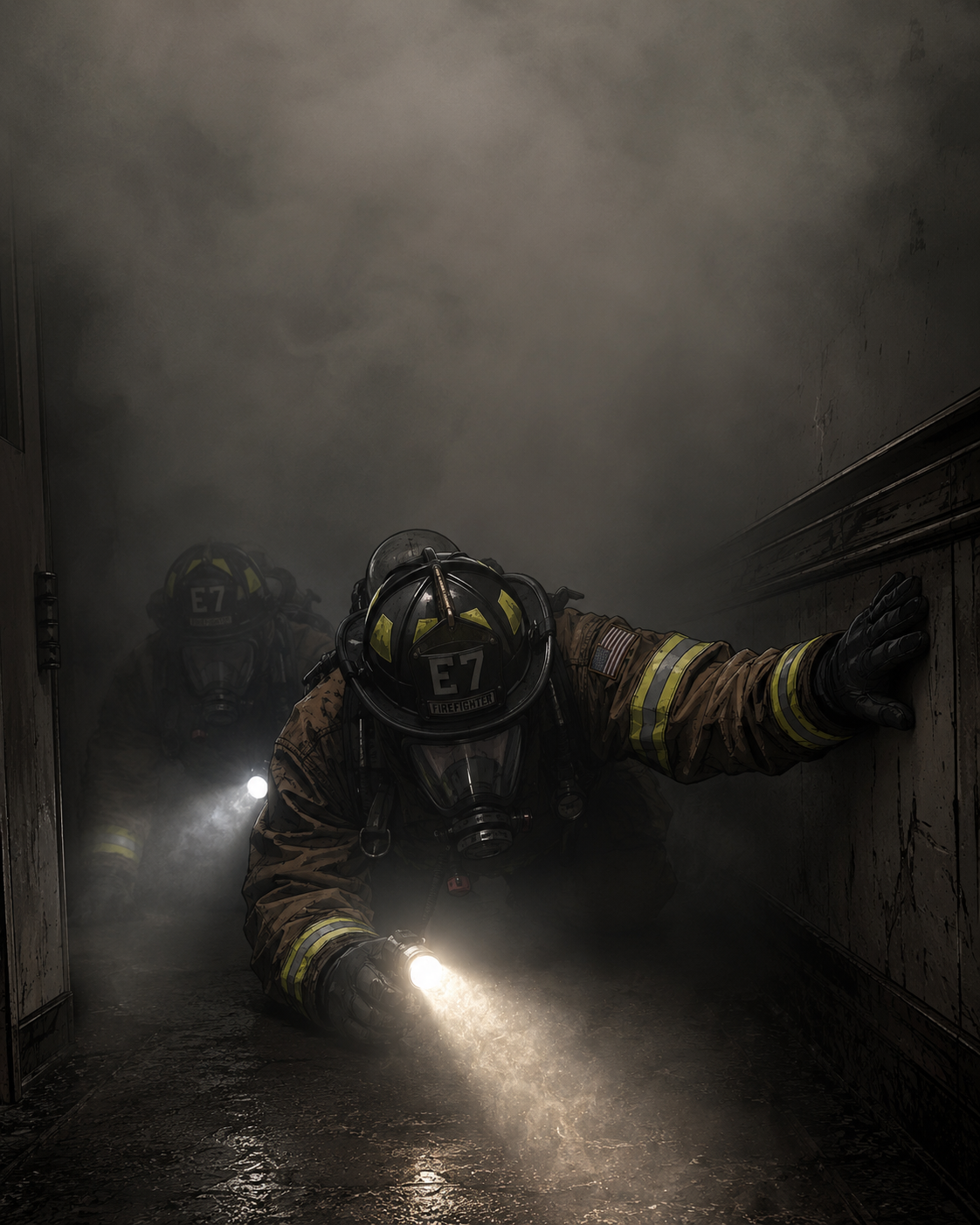
Zero visibility
Smoke can make a familiar hallway impossible to read. That is why alarms, escape plans, and closing doors matter.
Home safetyAirflow can change everything
Open doors, broken windows, ventilation openings, wind, hallways, stairwells, and roof openings can all change the fire’s air supply. More air can sometimes improve visibility, but it can also feed a fire. Firefighters think carefully about when and how openings are made.
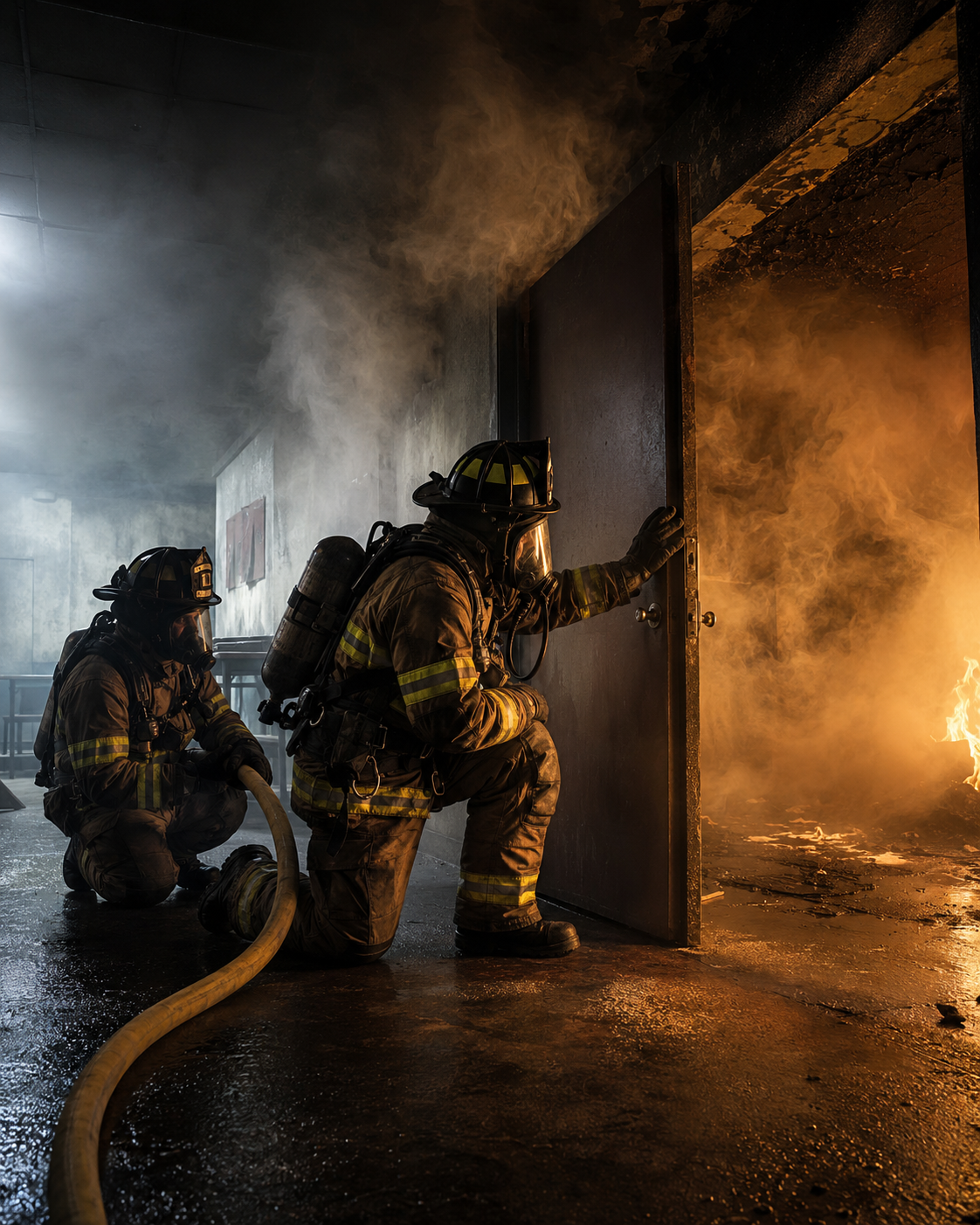
Doors affect air and smoke.
A closed door can slow smoke movement and reduce available oxygen to a fire area. Opening a door can change conditions quickly.
Flashover: when the room becomes the fire
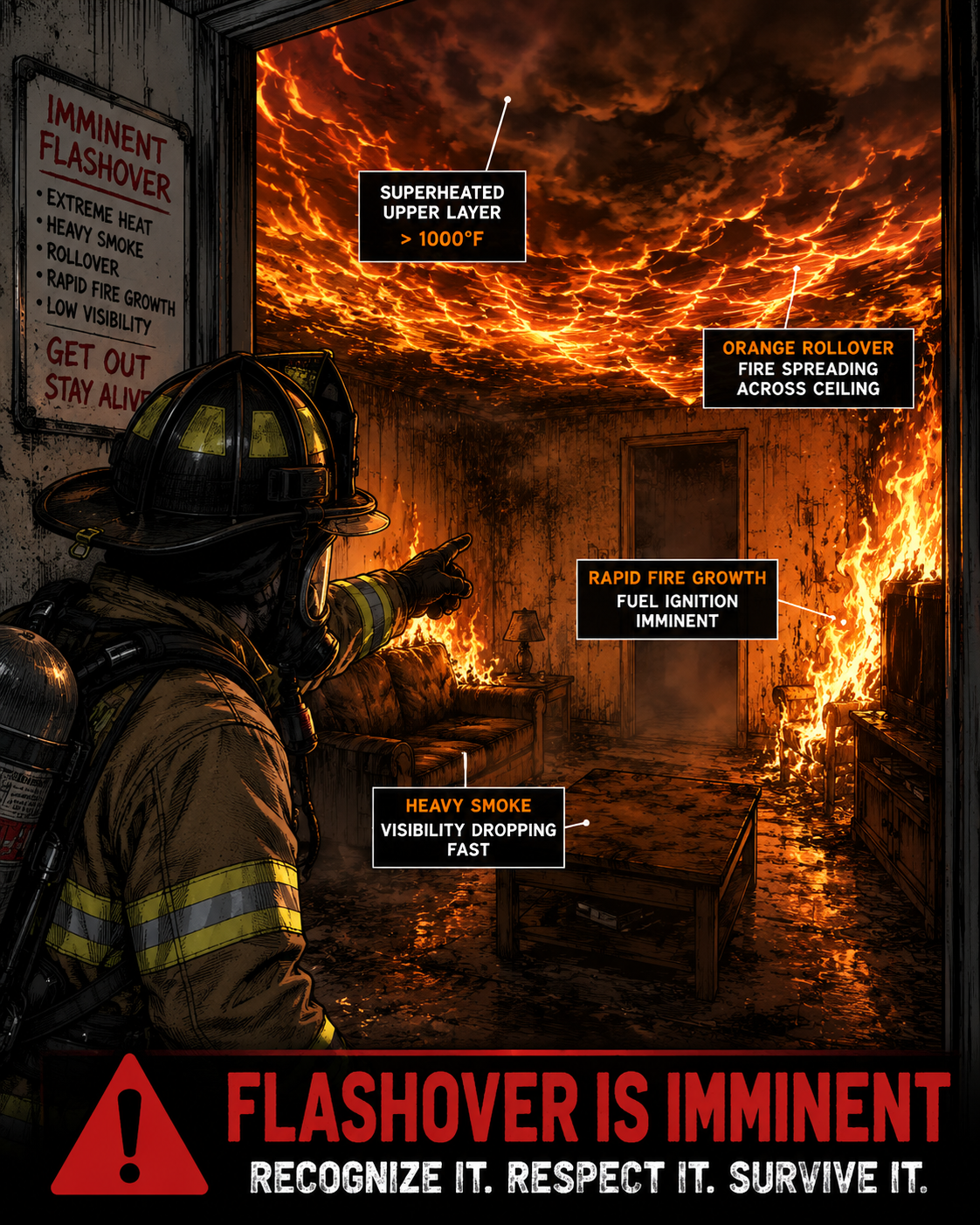
Flashover is a dangerous stage of fire growth where room contents ignite almost all at once because heat has built up throughout the space. It is one reason firefighters study smoke, heat, rollover, ventilation, room geometry, and timing.
Warning concept
Flashover is not a DIY lesson. It is a professional firefighter safety topic. For the public, the lesson is simple: leave early, close doors when safe, never go back inside, and call emergency services.
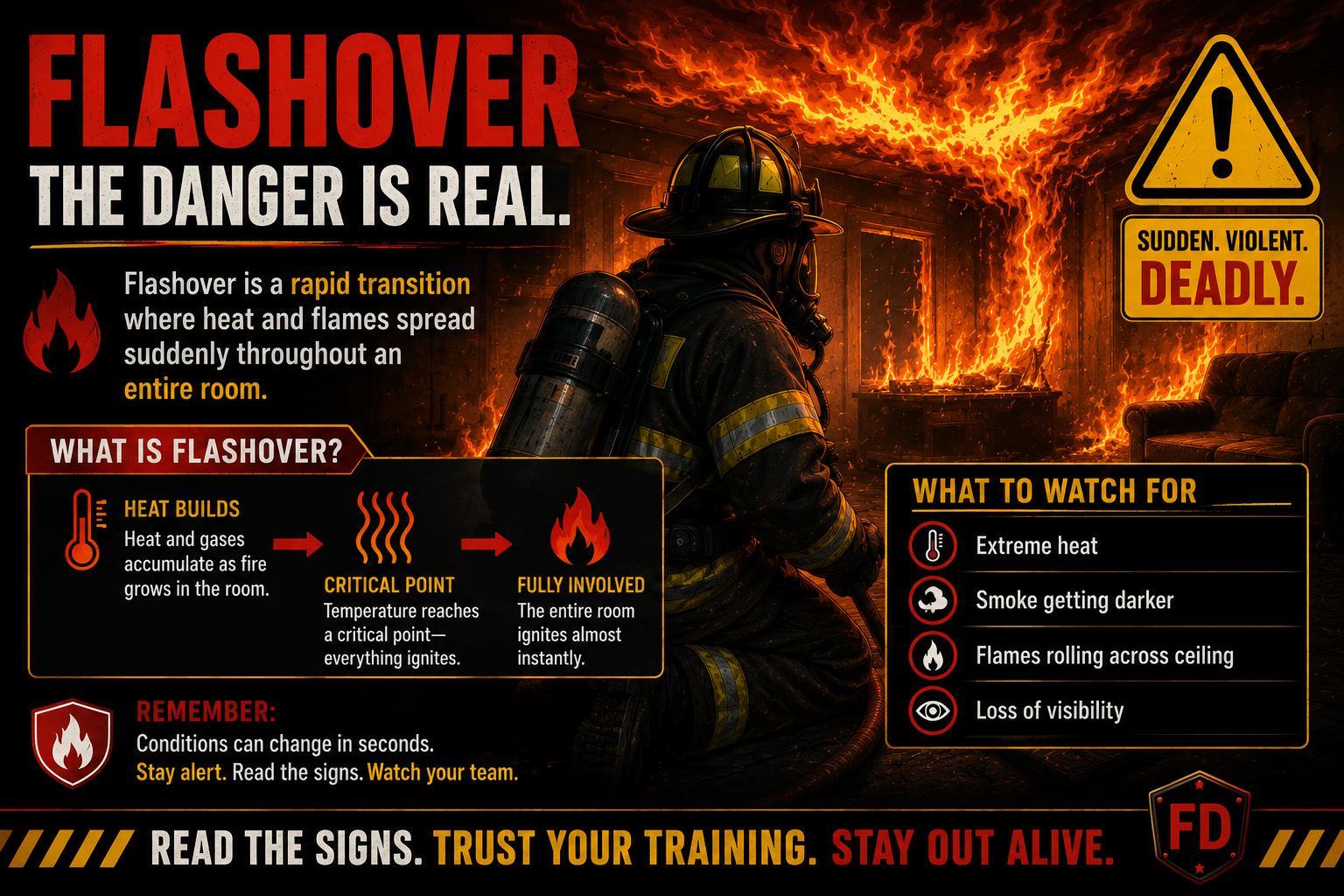
Rapid fire growth is why escape time matters.
Smoke alarms, clear exits, and fast evacuation help people act before conditions become unsurvivable.
Wildfire science: wind, slope, fuels, and embers
Wildfire behavior has its own science. Wind pushes flames and embers. Slopes can preheat vegetation uphill. Dry fuels ignite more easily. Ember cast can start spot fires ahead of the main flame front. Weather, terrain, and fuel conditions all matter.
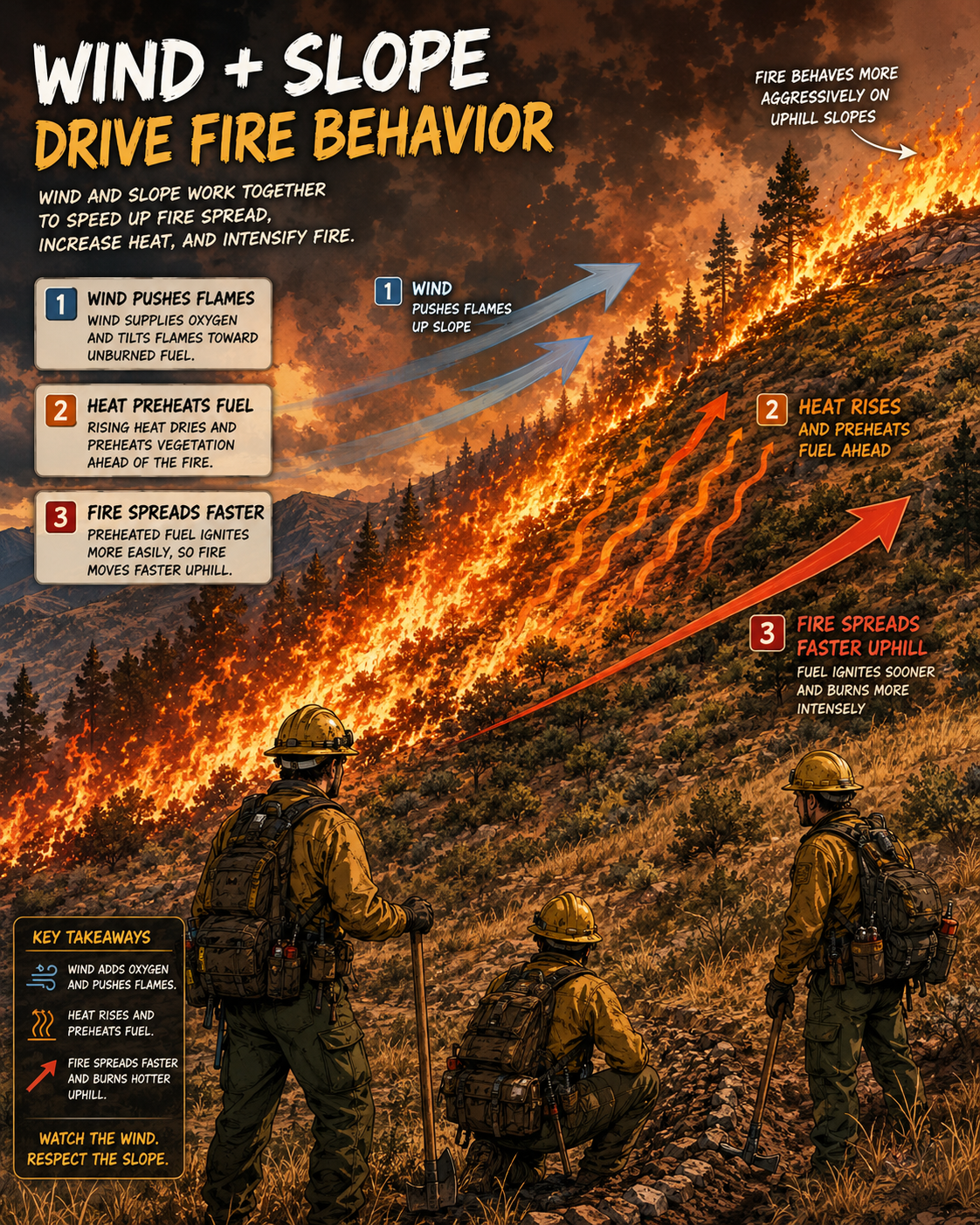
Wind + Slope
Wind and uphill terrain can make fire move faster and behave more aggressively.
Wildfire basics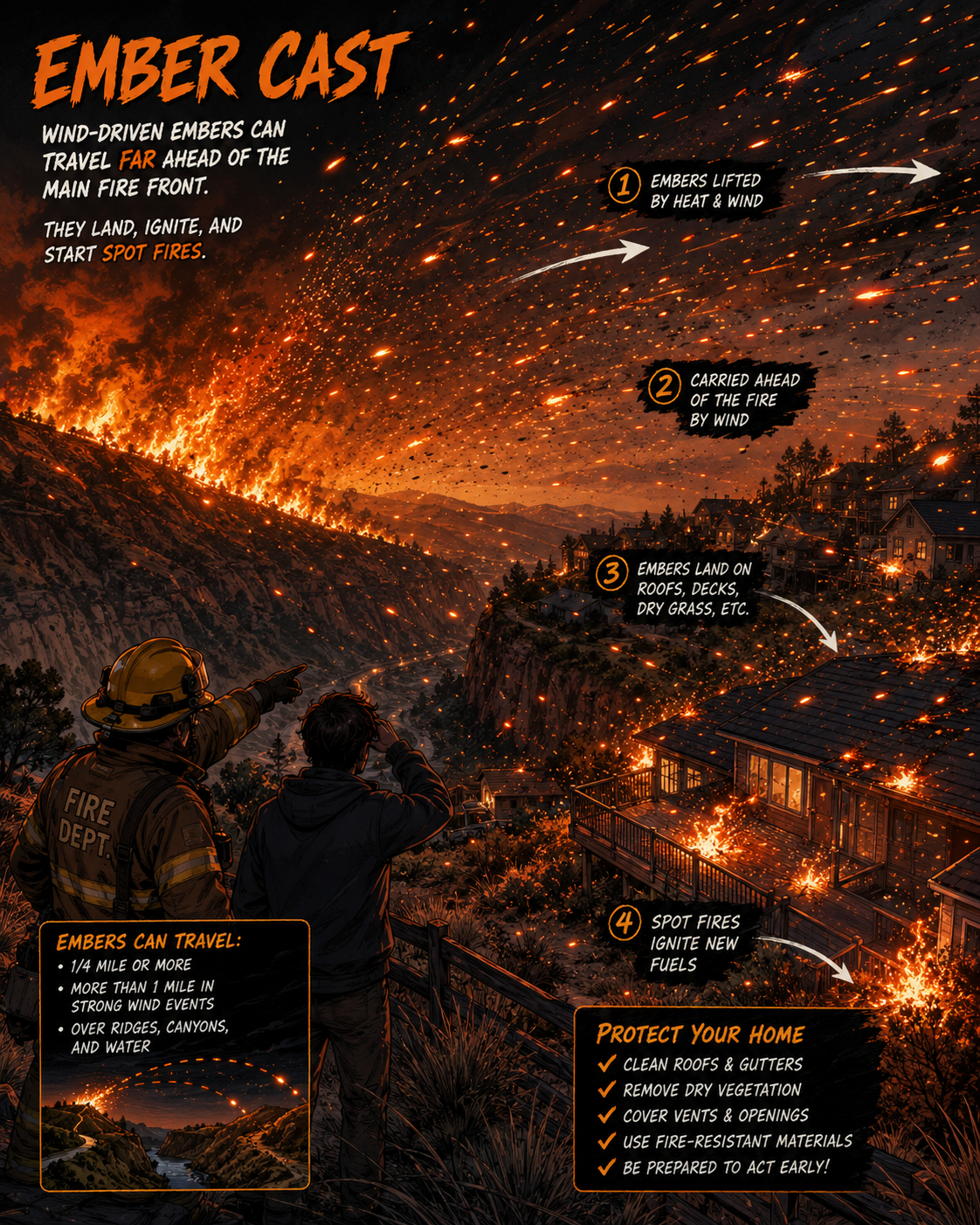
Ember Cast
Embers can travel ahead of flames and ignite vulnerable roofs, gutters, vents, mulch, or brush.
Ember stormsWhy fire science matters to everyday safety
You do not need to be a firefighter to benefit from fire science. Understanding smoke, alarms, doors, escape routes, kitchen fires, embers, and electrical hazards makes safety advice easier to remember.
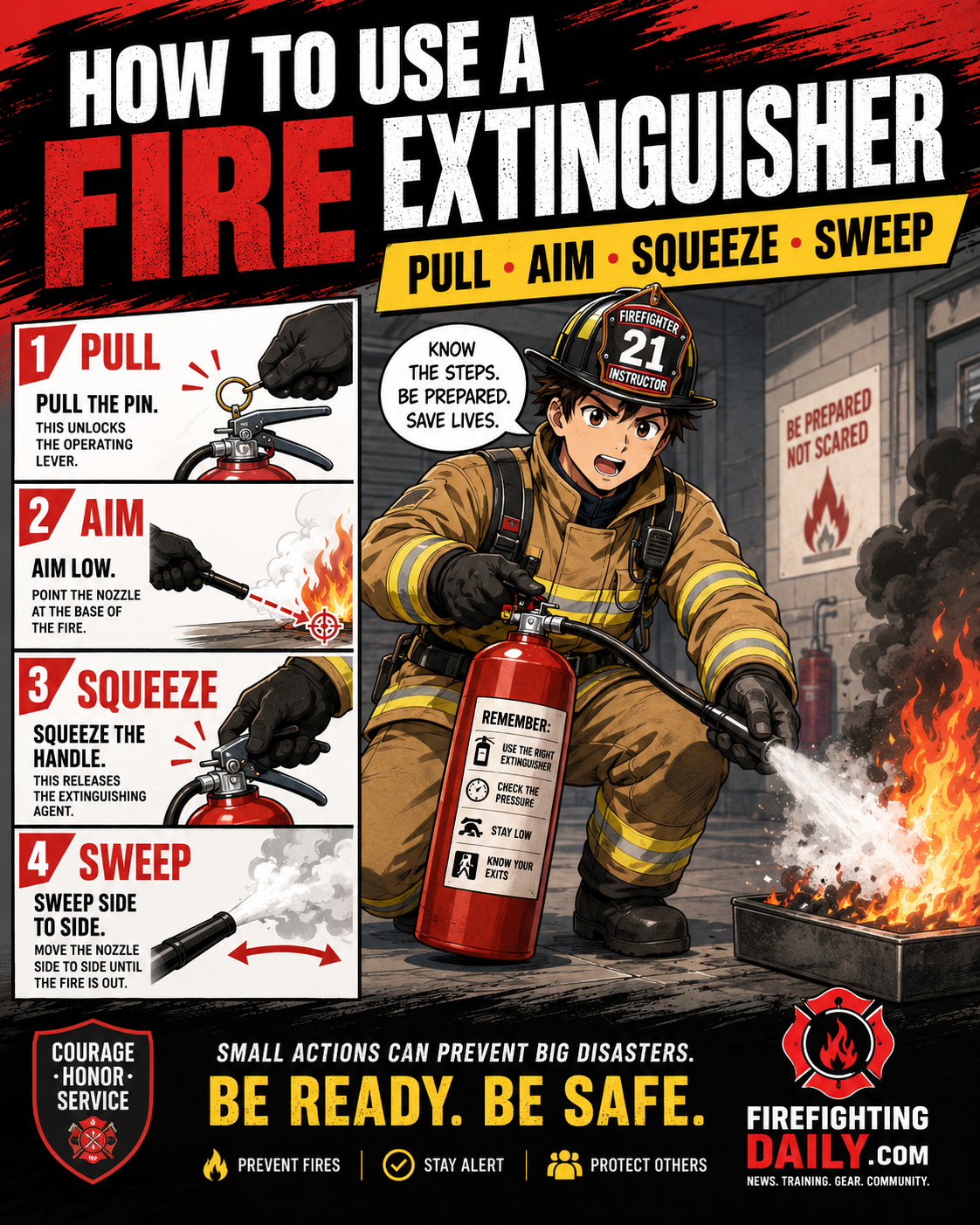
Extinguishers
Small extinguishers are for small, contained fires only when escape is clear and the user knows what to do.
Safety basics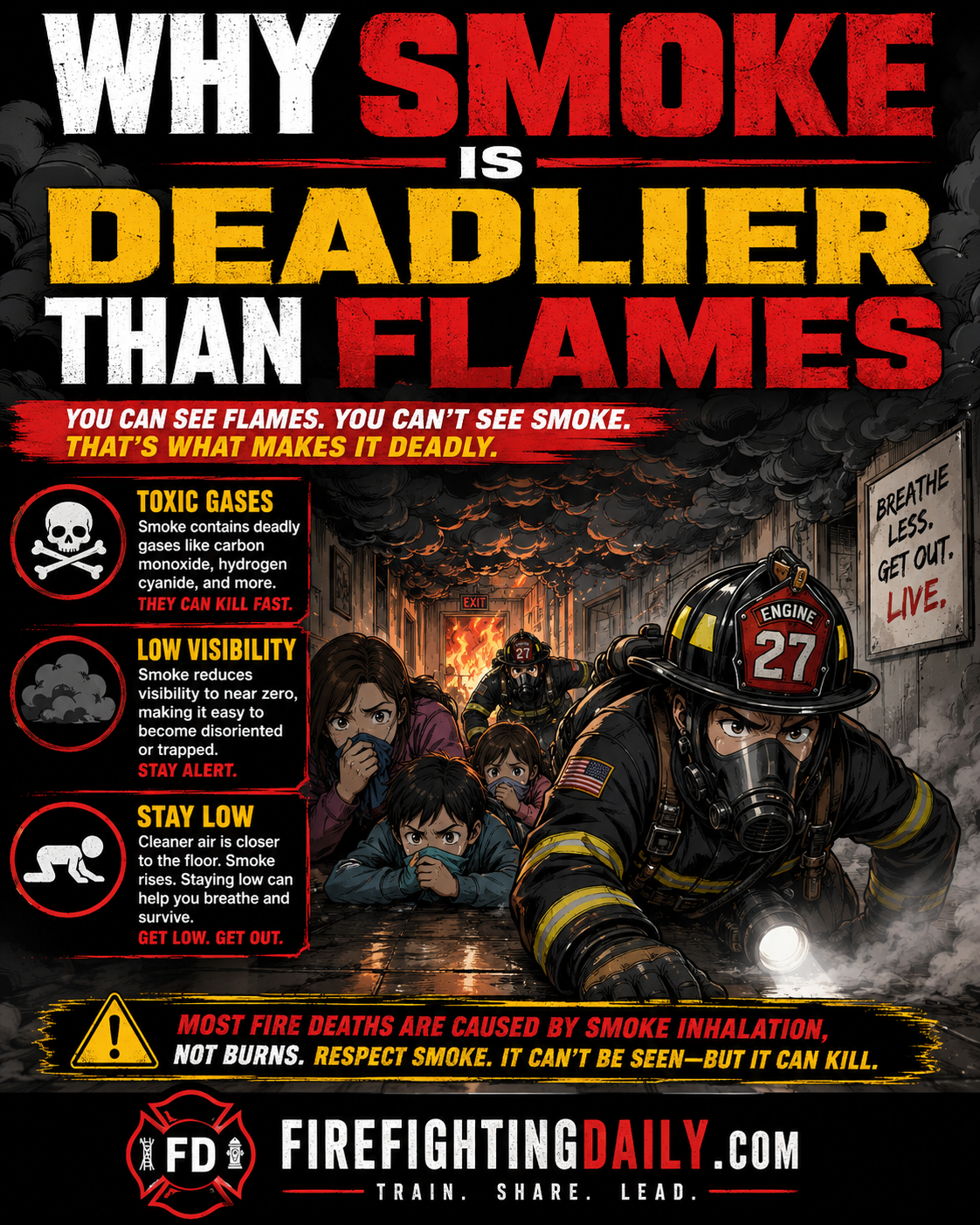
Smoke danger
Smoke can overcome people quickly. Alarms and fast evacuation are essential.
Smoke guideProfessor Combustion’s summary
Fire science is the study of how fire starts, grows, moves, and affects people and structures. The same science explains fire alarms, hose streams, ventilation, closed doors, wildfire embers, solar rapid shutdown, and battery fire response planning.
That is why the FirefightingDaily crew treats science like a rescue tool. The more clearly you understand the danger, the better you can respect it.