The big idea
Embers can arrive before flames.
During a wildfire, burning pieces of vegetation, bark, leaves, or other material can be lifted by hot air and wind. These embers may travel ahead of the main fire and land on roofs, decks, gutters, vents, fences, mulch, brush, or dry debris.
That is why a home can be threatened even if the main flame front is not touching it. Ember storms are one of the major reasons wildfire preparedness focuses on home hardening, defensible space, and clean exterior details.
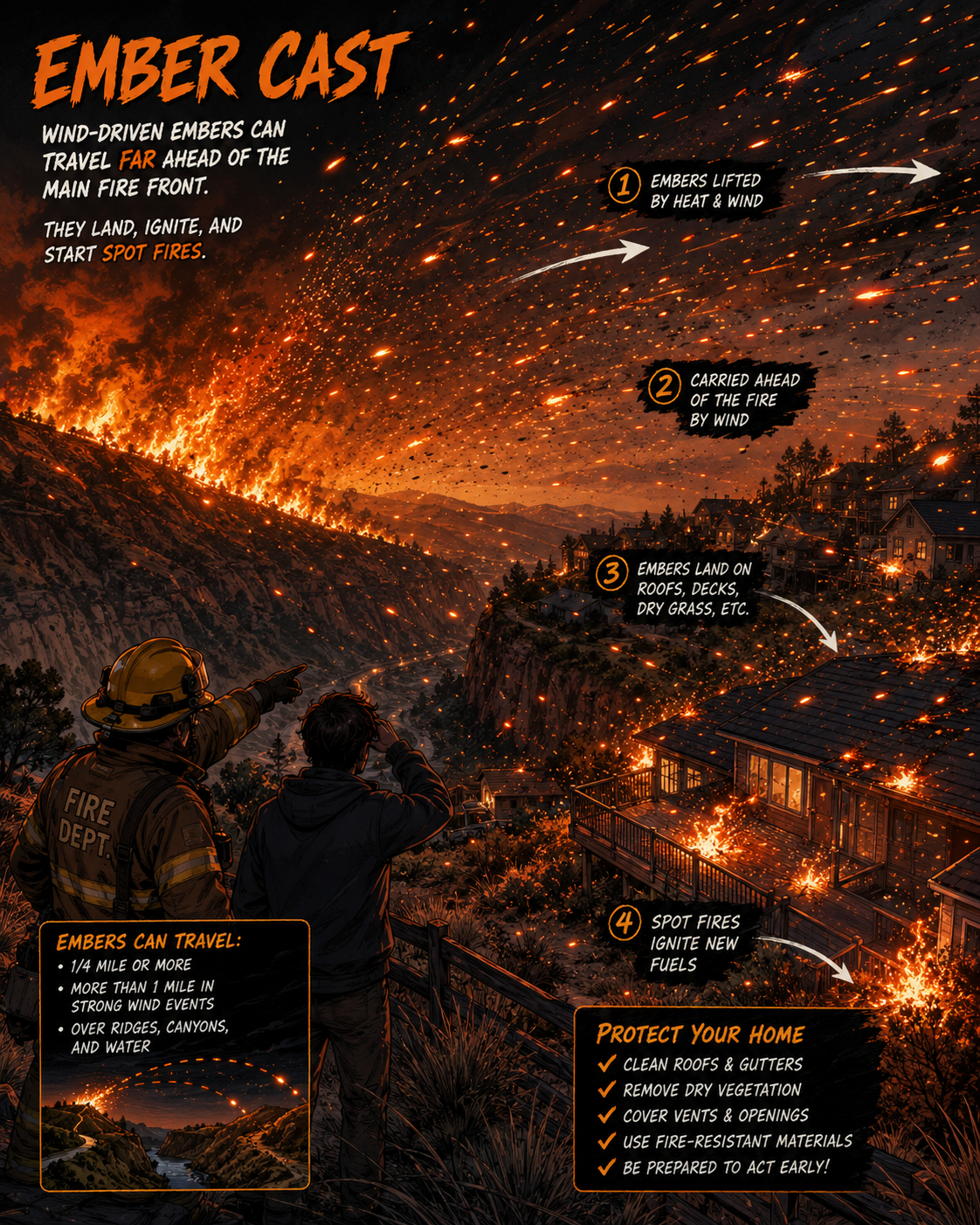
Small sparks can become new fires.
Embers can cross roads, fences, yards, and gaps that flames have not yet reached.
What is ember cast?
Ember cast is the movement of burning material away from a fire. Wind and convective heat can lift embers into the air, carry them ahead of the flames, and drop them into receptive fuel. If that fuel is dry enough and arranged just right, a new spot fire can start.

Embers cross barriers
A road may slow flames, but wind-driven embers can pass over it.
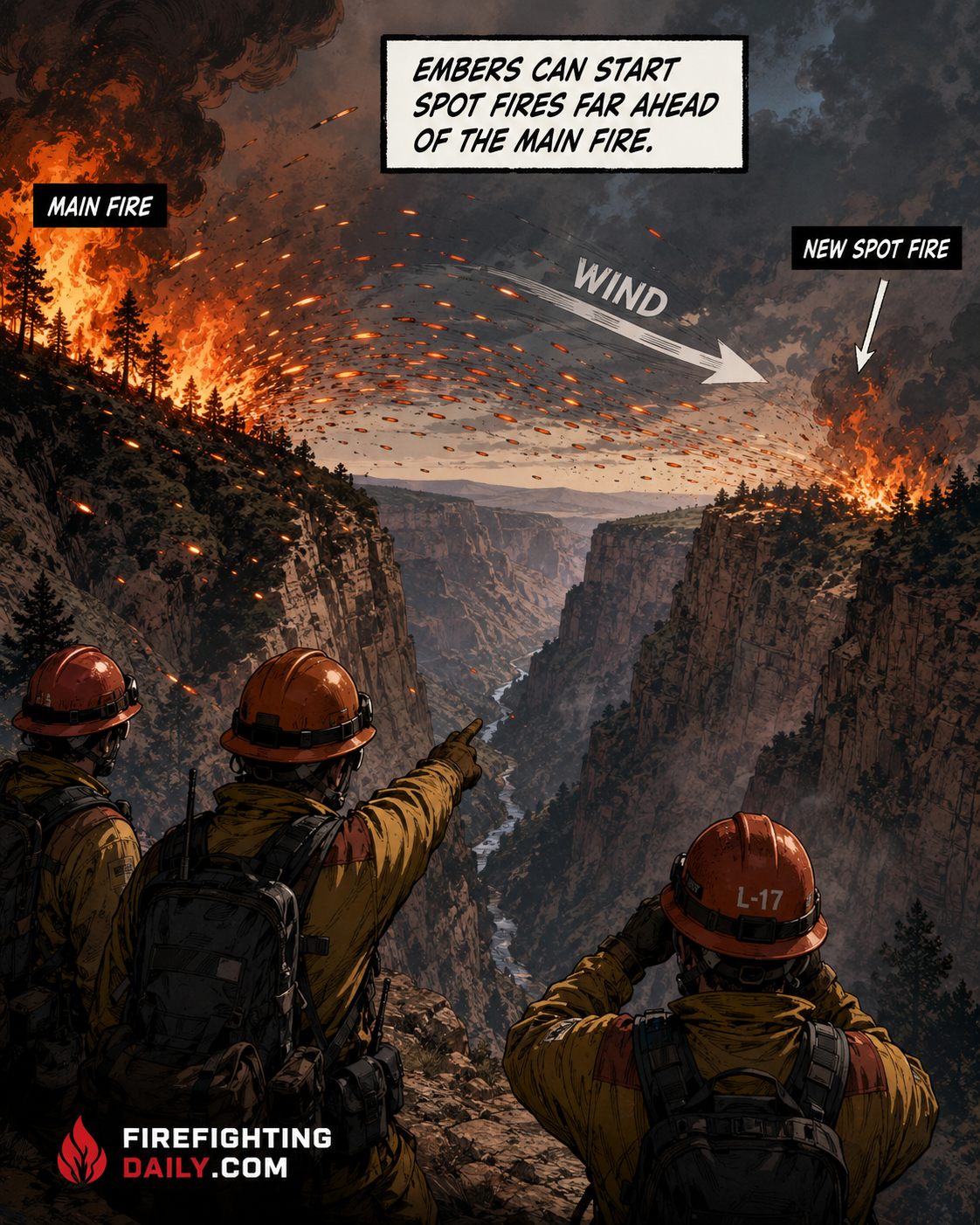
Spot fires
New fires can start ahead of the main wildfire when embers land in dry fuel.
Where embers look for fuel
Embers are dangerous because they do not need a giant opening. They can land in small places where dry fuel collects: leaves in gutters, pine needles in roof valleys, mulch beside siding, dry grass near fences, debris under decks, wood piles, patio furniture, doormats, and vents.
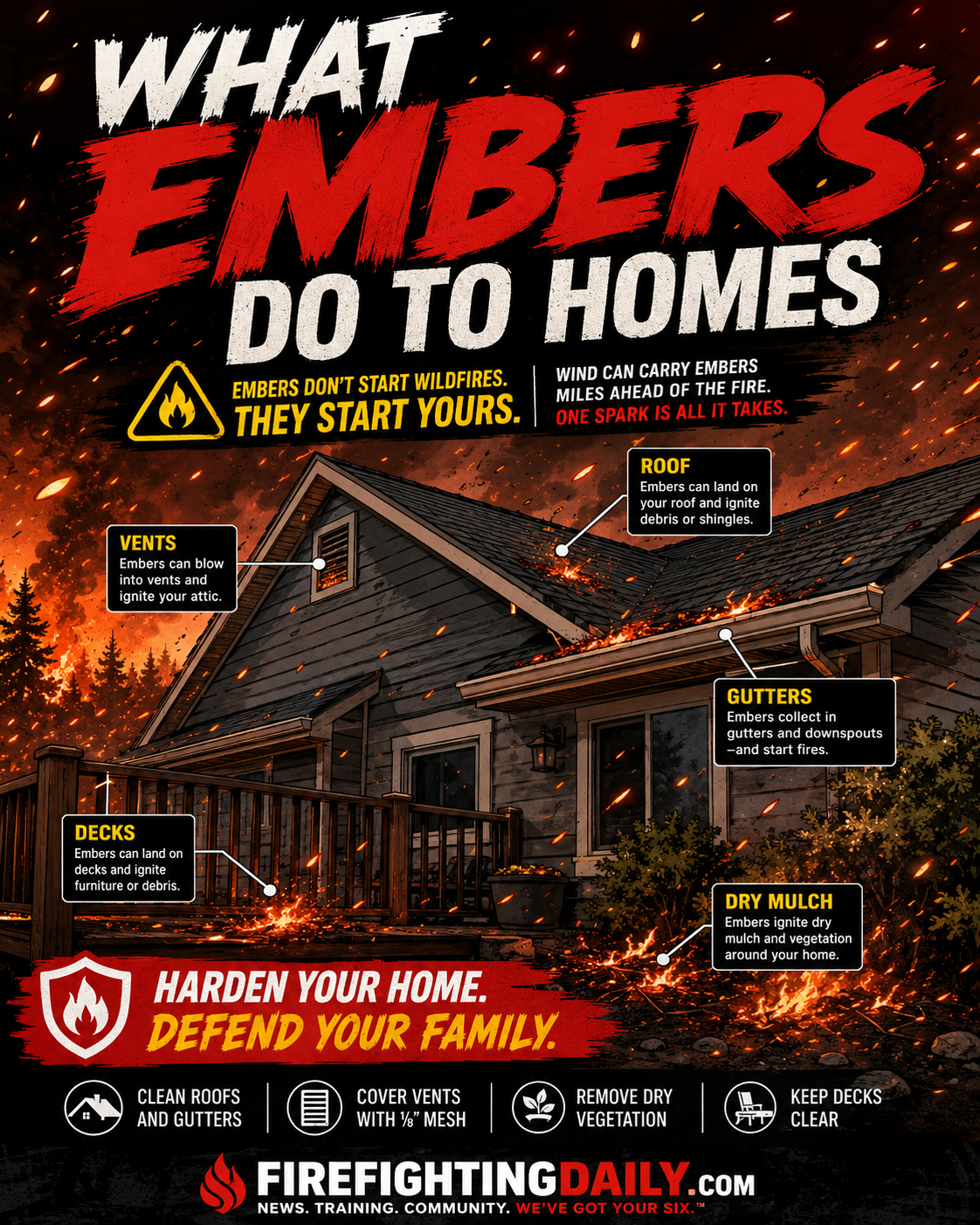
The home ignition zone is full of small details.
A gutter, vent, deck gap, fence line, or mulch bed can matter when embers are flying.
Roofs and gutters
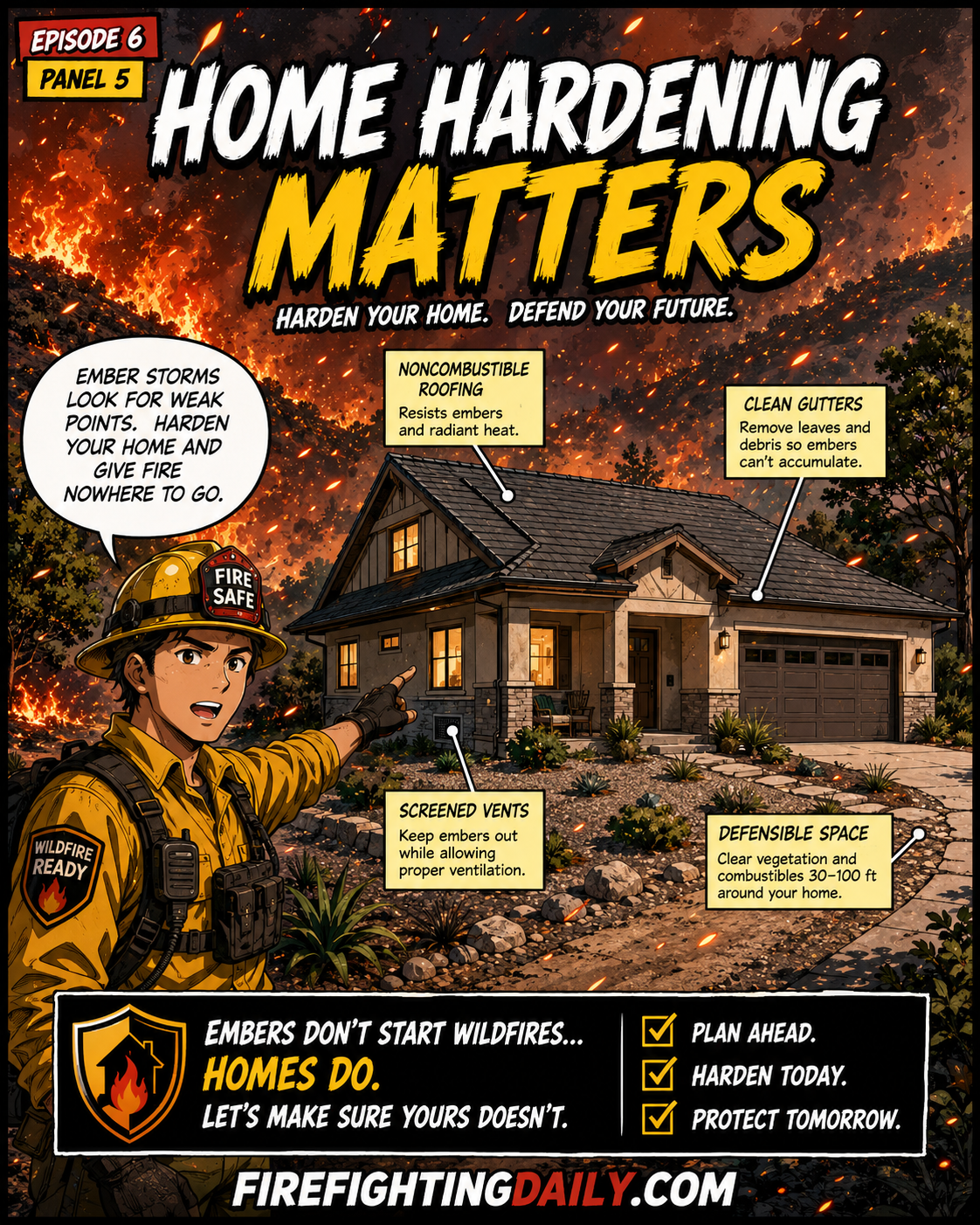
Roofs and gutters can collect leaves, needles, twigs, and other dry debris. During ember conditions, that debris can become ignition fuel. Keeping roofs and gutters clear is one of the most practical wildfire-preparation habits for many homes.
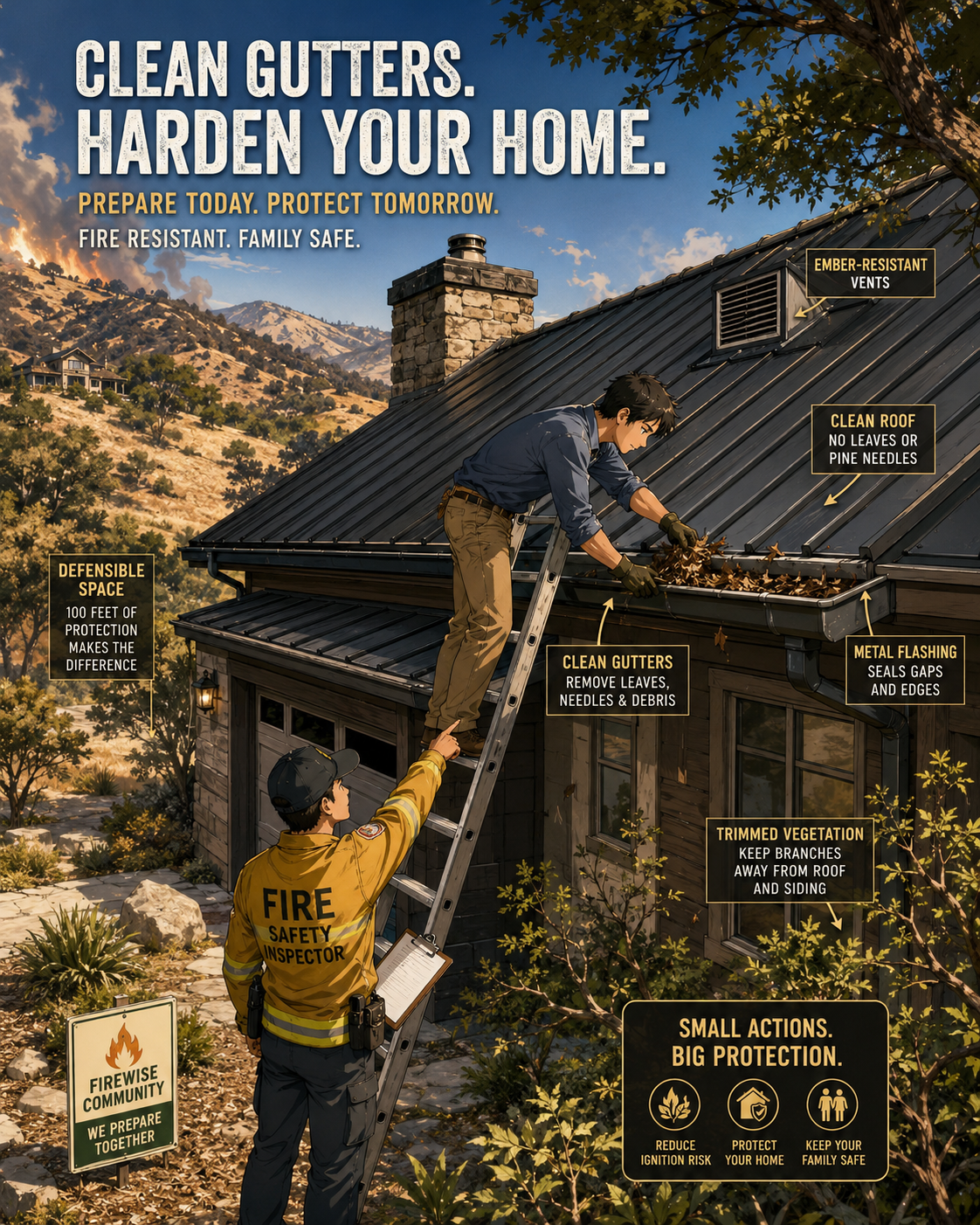

Home hardening
Hardening means reducing vulnerable ignition points on and around the structure.
Learn moreVents, openings, and gaps
Vents and openings can be vulnerable because embers may enter small spaces or collect against screens, siding, or nearby fuel. Local building codes, product listings, and fire authority guidance vary, so follow official local requirements for vent design, screening, retrofits, and maintenance.
Important note
This page is not building-code advice. Wildfire retrofit requirements can vary by jurisdiction, structure type, product, and fire hazard zone. Use local fire authority guidance, qualified professionals, and applicable codes.
Decks, fences, mulch, and outdoor items
Embers may ignite combustible materials near the home. Deck surfaces, debris under decks, fences that connect to the house, wood piles, patio cushions, doormats, trash bins, dry leaves, and mulch can all create ignition opportunities.
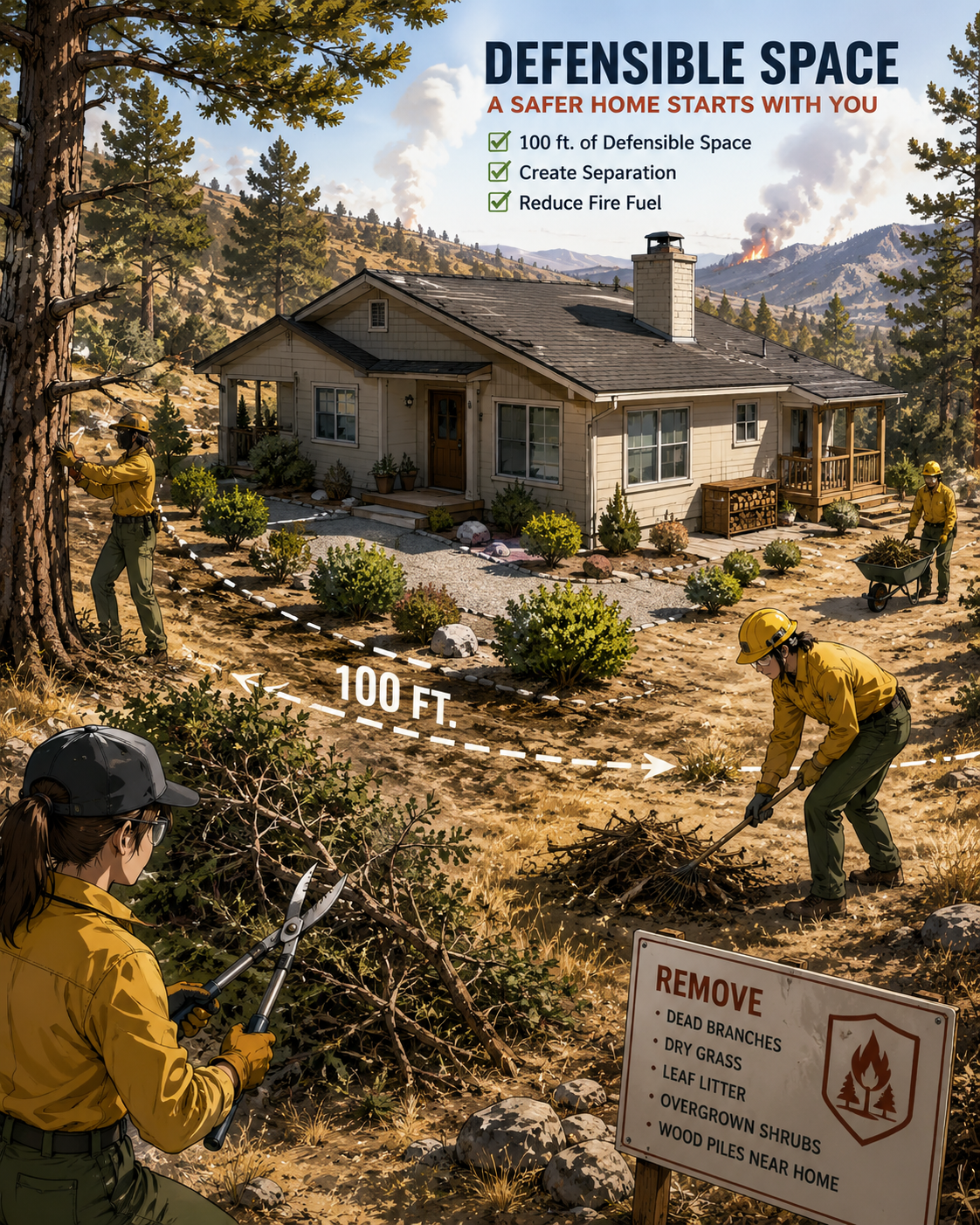
The last few feet matter.
Combustible material close to the home can help embers become structure fires.
Defensible space and ember defense
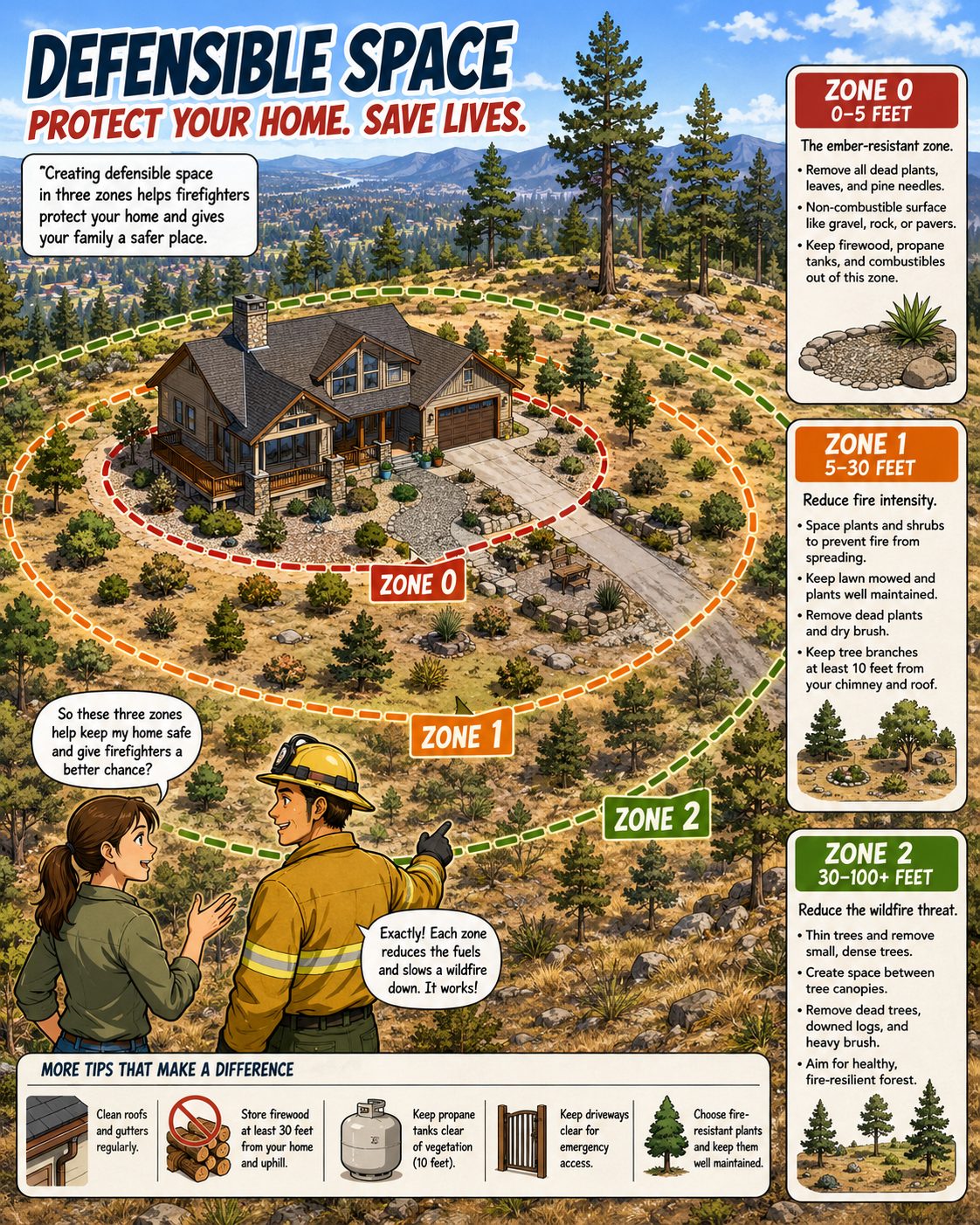
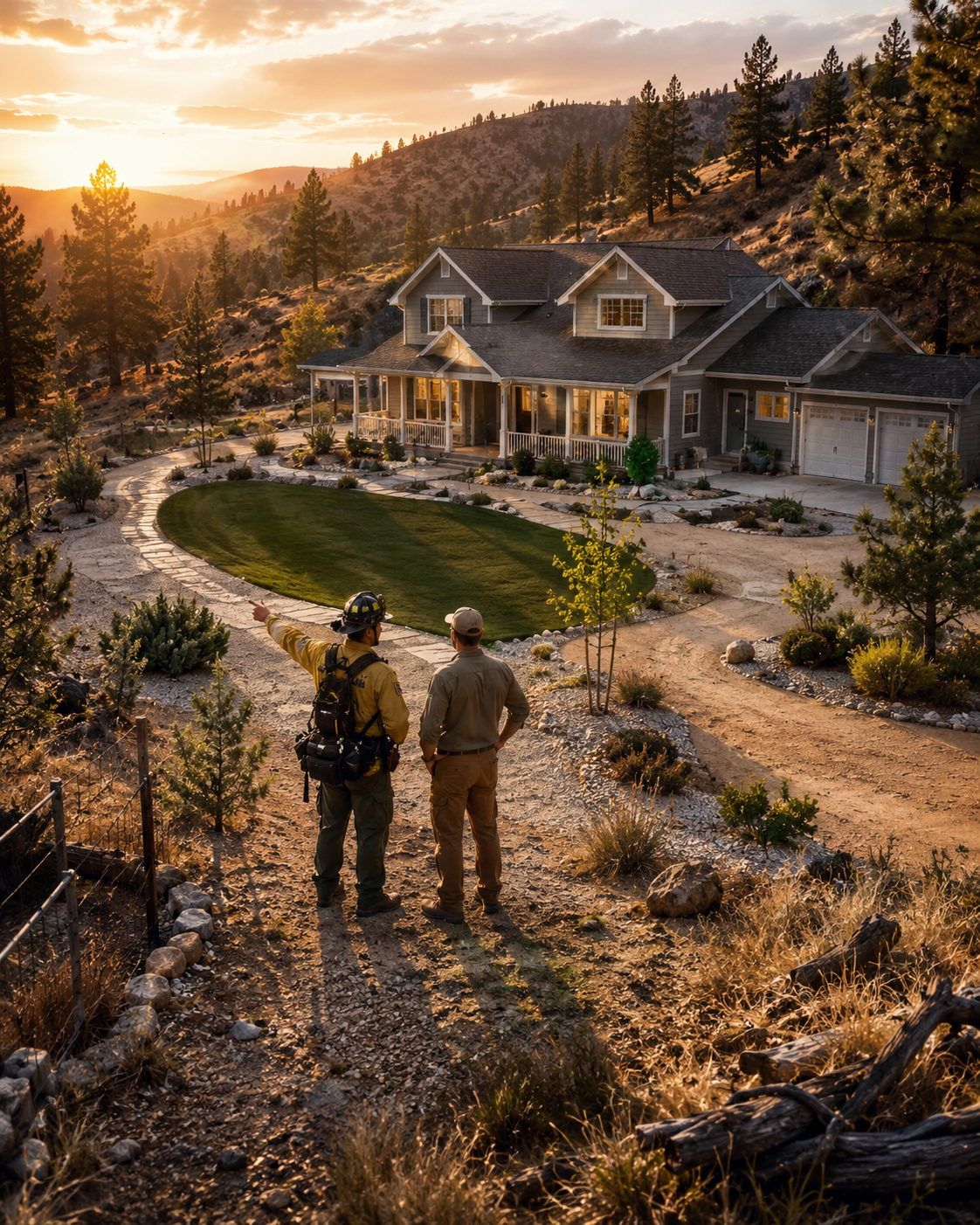
Defensible space is not just about stopping flame contact. It can also reduce the fuel available to embers. Clean, separated, maintained space around the home may reduce the chance that a small ember becomes a larger fire.
Embers and evacuation timing
Ember storms can make conditions worse before the main fire arrives. Smoke, wind, falling embers, poor visibility, blocked roads, power lines, and emergency traffic can all complicate escape. If officials issue an evacuation order, leave promptly.
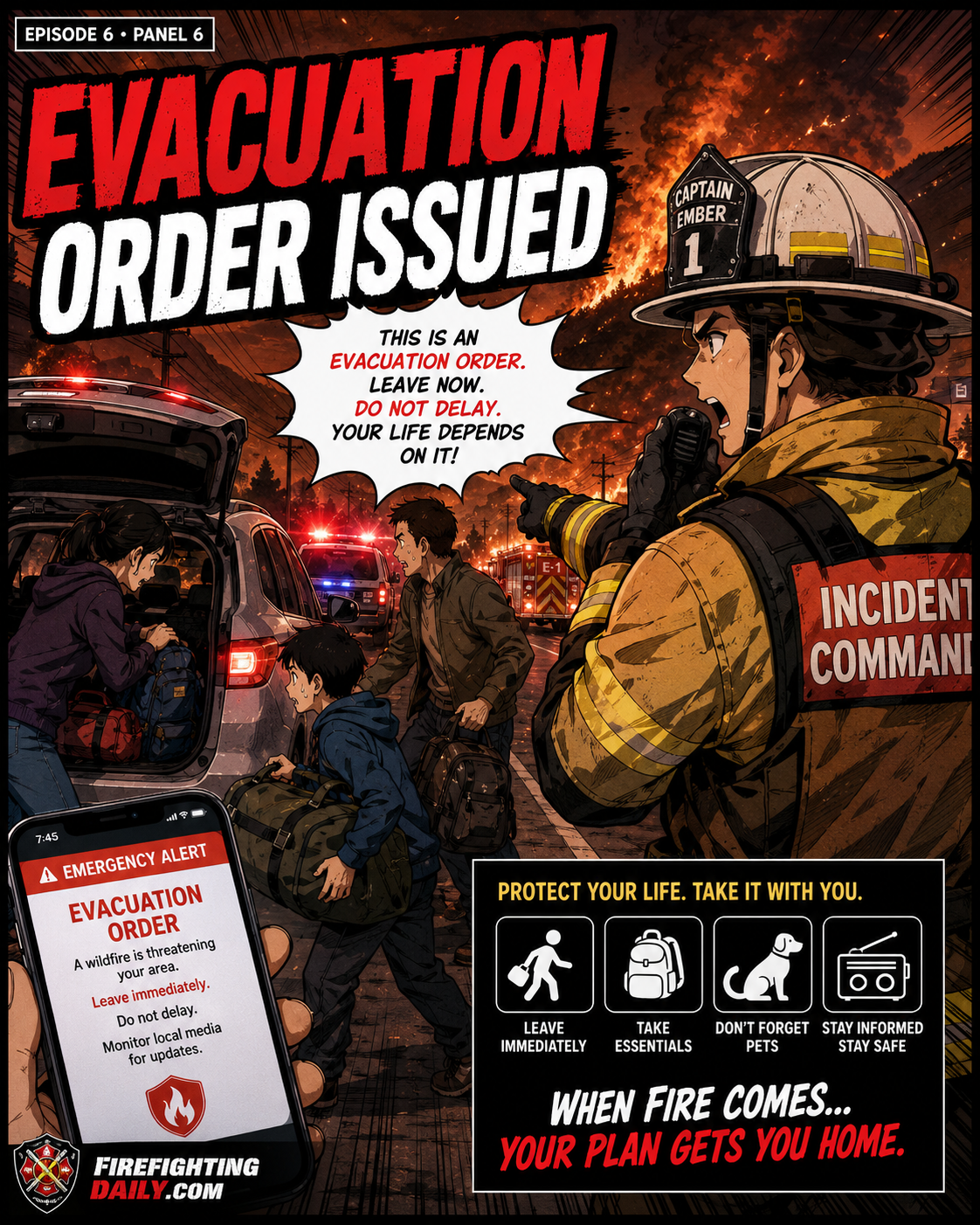
Do not wait for flames at the fence.
Evacuation decisions are based on risk, roads, weather, fire behavior, and time.
Go-bags and ember season readiness
A go-bag helps a household leave faster during wildfire alerts. Prepare essential items before the warning becomes urgent. Include household-specific needs such as medication, chargers, documents, keys, glasses, pet supplies, and basic clothing.
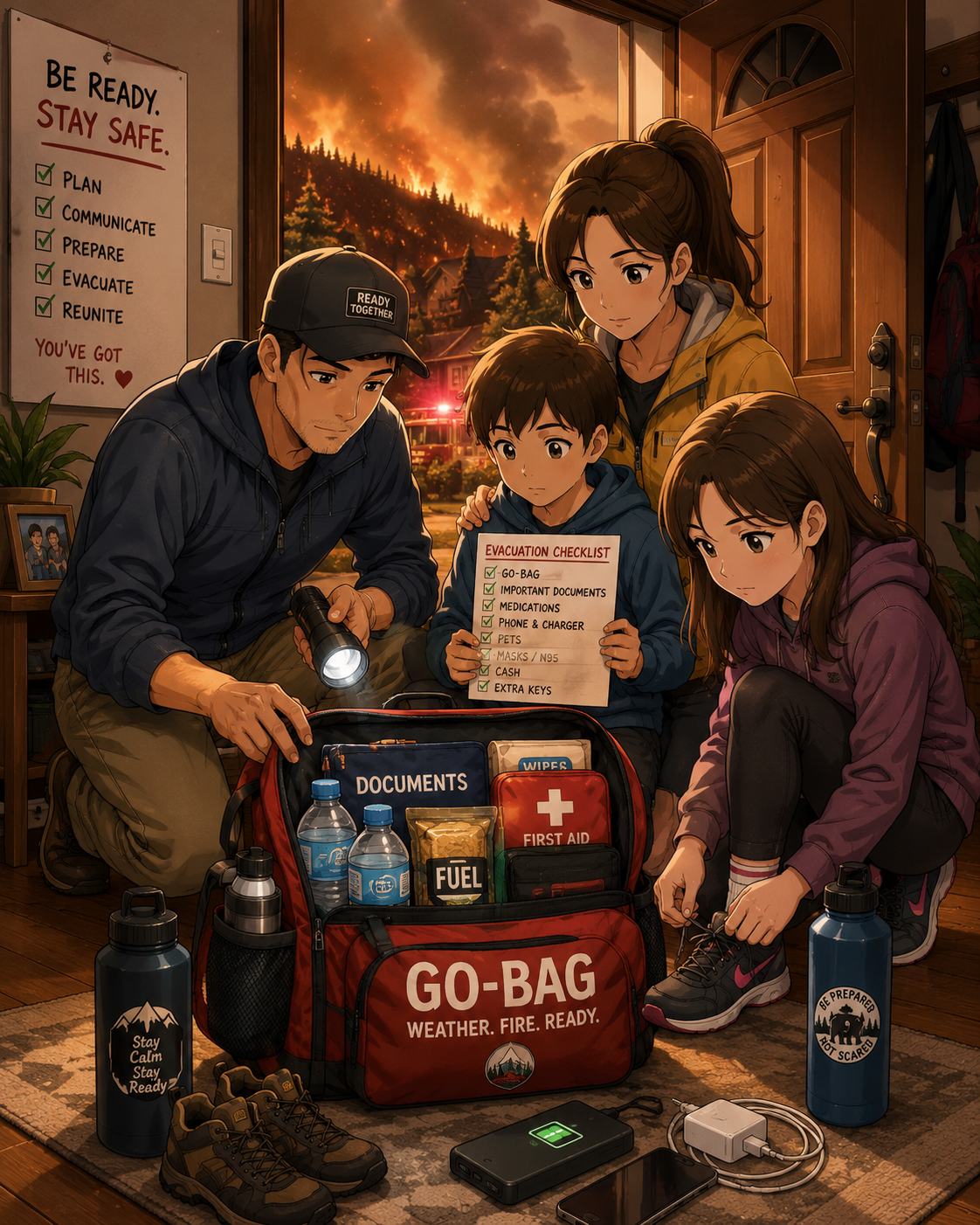
Prepared bags reduce delay.
The goal is to leave quickly, not pack while smoke is already in the air.
How firefighters think about ember storms
Firefighters consider ember exposure when defending structures and neighborhoods. They may look for vulnerable roofs, fences, decks, vents, nearby brush, access routes, water supply, safe zones, and whether conditions allow safe defense. In some conditions, evacuation and life safety come first.
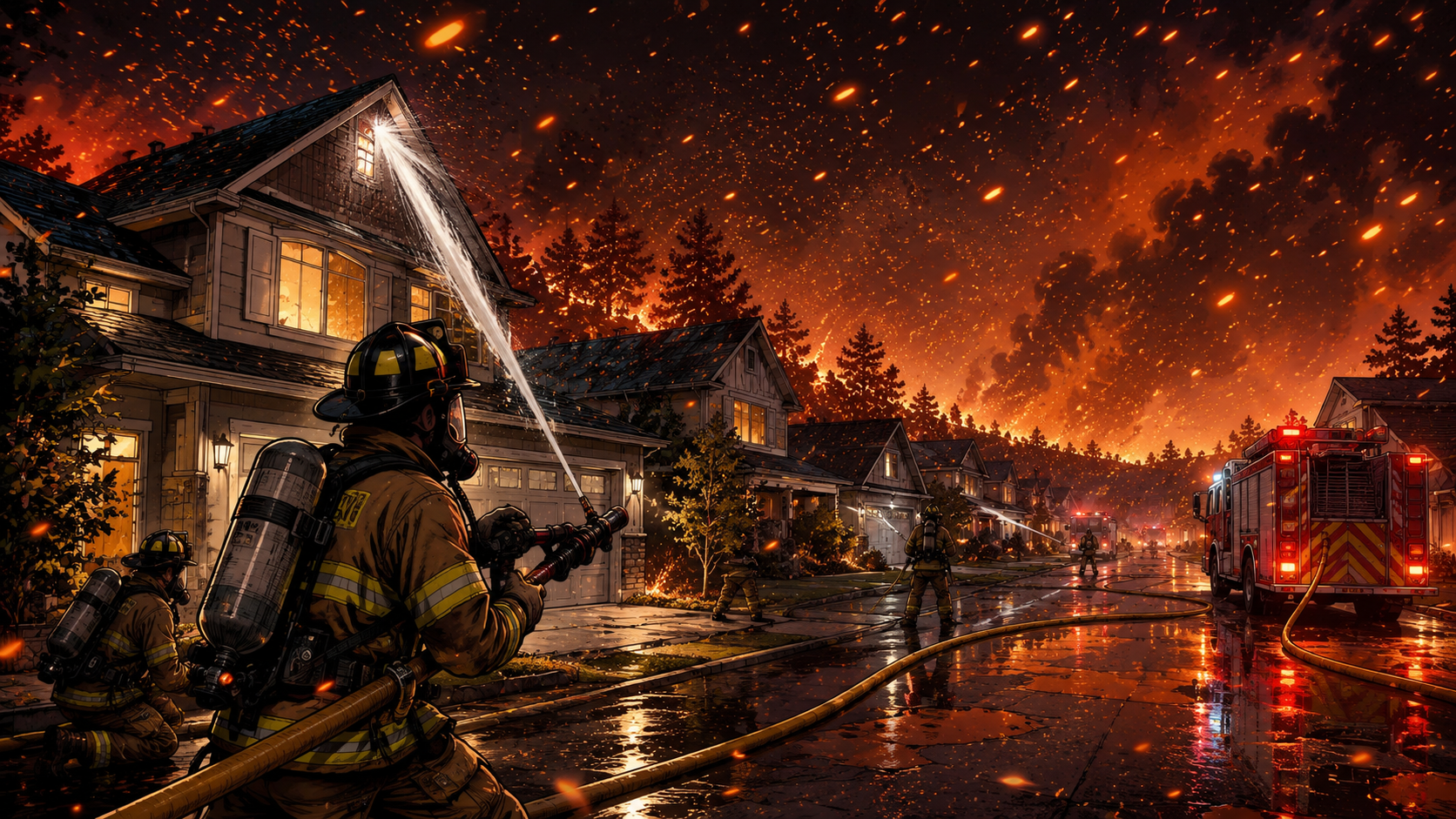
Neighborhood defense
Firefighters evaluate structures, fuels, access, and whether defense is safe and possible.

Fireline work
Crews use terrain, tools, water, and fuel breaks where conditions allow.
Wildfire basicsSolar, batteries, and ember exposure
Homes with rooftop solar, batteries, EV chargers, and backup power still need normal wildfire preparation. Keep access clear, labels visible, and vegetation managed around exterior equipment. Rooftop work and electrical systems add responder considerations, so clear documentation and shutdown labels matter.
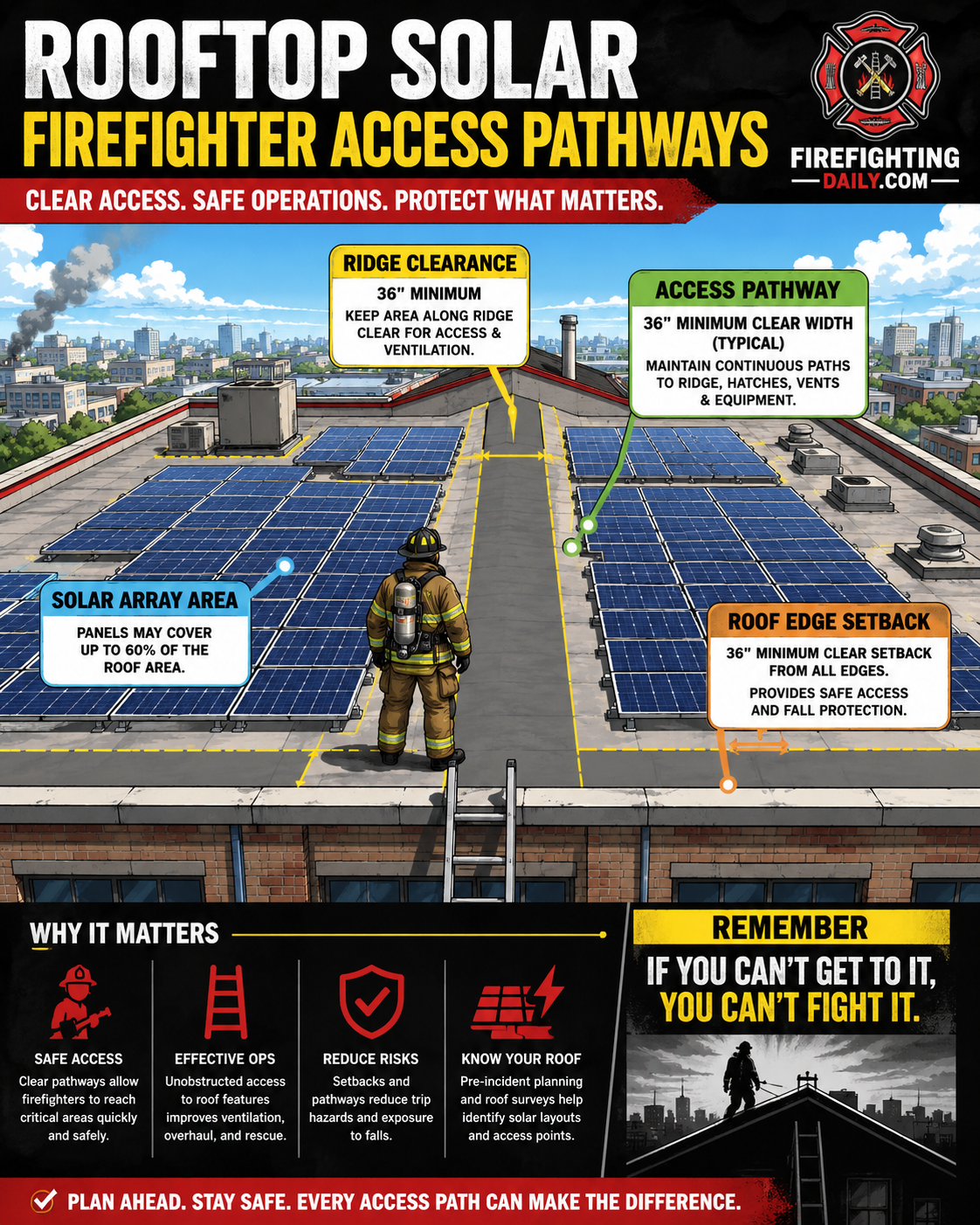
Roof access
Clear access pathways help responders work around rooftop solar equipment.
Solar fire safety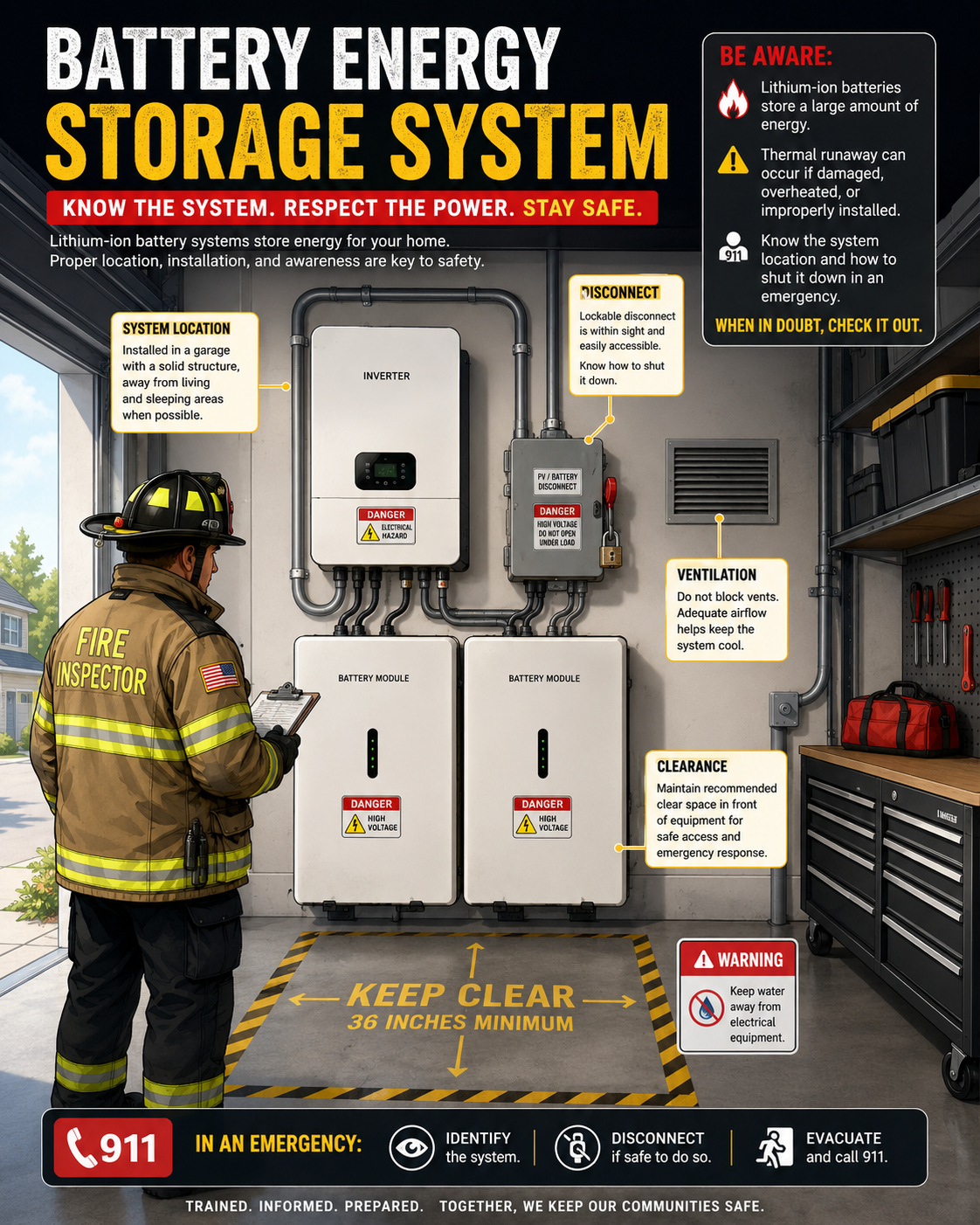
Battery areas
Energy equipment should be installed, labeled, and maintained for safe access.
Battery safetyEmber checklist
Before wildfire weather
- Clear leaves and needles from roofs and gutters.
- Remove dry debris from decks, patios, and under structures.
- Keep combustible items away from the house where practical.
- Maintain defensible space according to local rules.
- Check vents, gaps, and openings using local fire authority guidance.
- Prepare go-bags and evacuation plans.
- Keep driveways, hydrants, addresses, and access routes clear.
- Make solar/battery labels and shutdown locations visible.
Episode connection: embers cross the road
In Episode 6, the Wildfire Dragon wakes, dry brush and wind intensify the danger, and embers cross the road before the main fire arrives. The lesson is simple: the flame front is not the only threat.

The Wildfire Dragon Wakes
Wind, brush, embers, fireline, home hardening, and evacuation.
Read episode
Meet Wildfire Dragon
The character who represents wind-driven fire, ember storms, dry brush, and terrain.
Character pageCaptain Ember’s summary
Embers are wildfire’s advance scouts. They can travel ahead of flames and search for dry fuel. The best defense is preparation before the wind event: cleaner roofs, better defensible space, hardened details, clear access, go-bags, and early evacuation when ordered.