The big idea
Firefighting is more than putting water on flames.
Most people picture firefighters charging into smoke with hoses. That is part of the job, but firefighting is much broader. It includes rescue, emergency medical response, fire prevention, building awareness, hazardous materials support, wildfire response, public education, inspections, training, planning, and teamwork under pressure.
At its core, firefighting is a system: people, equipment, water, communication, command, training, and science working together when seconds matter.
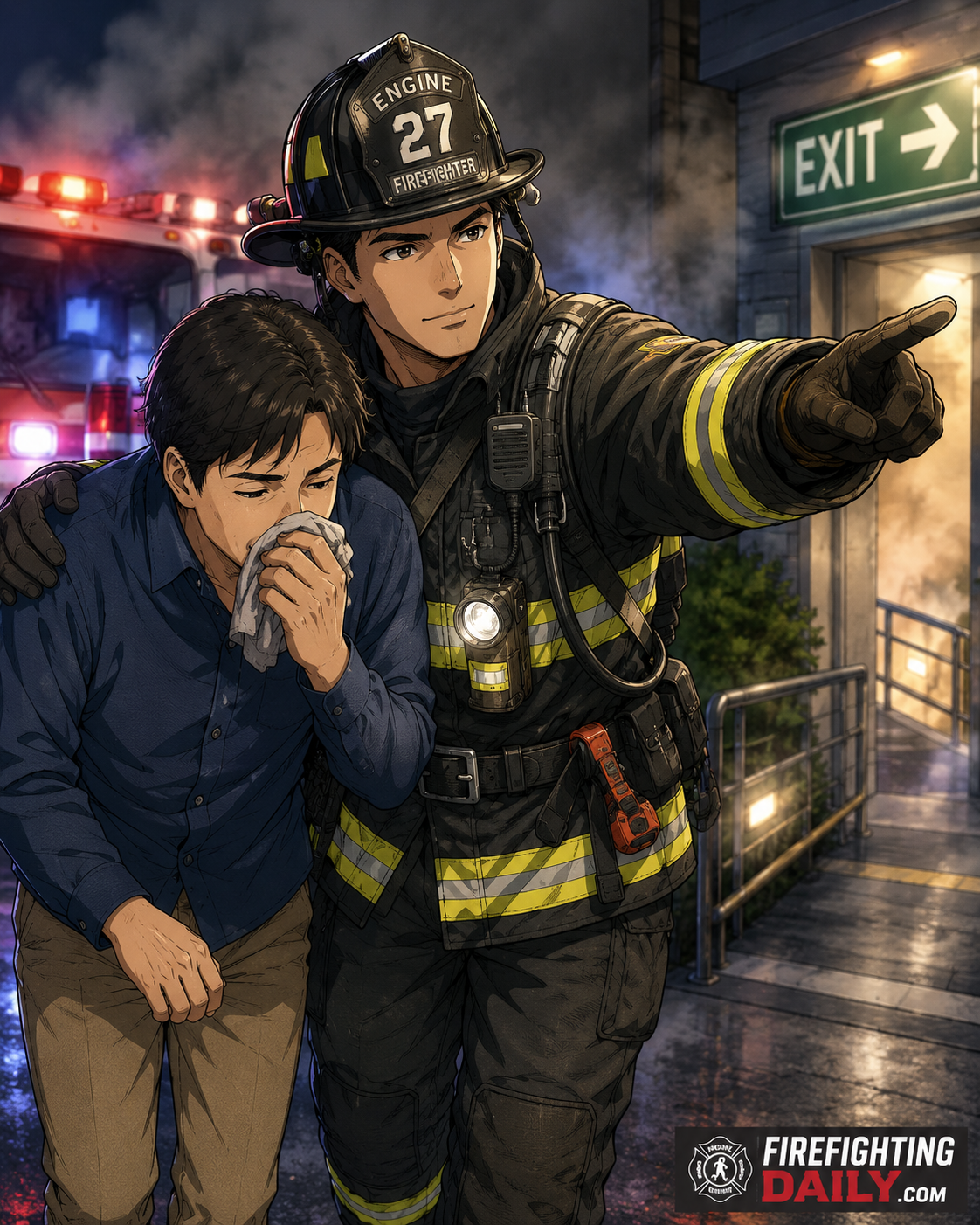
Life safety comes first.
Firefighters protect people before property. Rescue, evacuation, search, and medical care are central parts of the mission.
Five jobs inside one job
1. Rescue
Firefighters help people escape dangerous places: burning homes, smoke-filled buildings, crashed vehicles, flood zones, confined spaces, elevators, cliffs, and wildfire evacuation areas. The rescue mission is often the most urgent part of the incident.
2. Fire suppression
Suppression means controlling and extinguishing fire. That may involve hose lines, water supply, ventilation, ladders, hand tools, foam, wildland tools, aircraft support, or defensive operations from outside a structure.
3. Emergency medical response
Many fire departments respond to medical calls. Firefighters may provide first aid, CPR, trauma care, patient assessment, and support for ambulance crews, depending on local department staffing and certification.
4. Prevention and public education
The best fire is the one that never starts. Firefighters and fire authorities teach smoke alarm use, escape planning, kitchen safety, wildfire defensible space, safe heating habits, and hazard awareness.
5. Preparedness and training
Firefighting depends on repetition. Crews train on hose movement, ladder work, search patterns, pump operations, radio communication, wildfire tactics, rescue tools, and incident command so they can act under stress.
Captain Ember says:
“The public sees the emergency. Firefighters also see the building, the smoke, the wind, the water supply, the people inside, the escape routes, and the risks that are about to change.”
The science behind firefighting
Firefighters study fire behavior because fire is not random. Heat moves. Smoke banks down. Airflow changes conditions. Wind can turn a small flame into a fast-moving threat. Fuel, oxygen, and heat interact in predictable but dangerous ways.
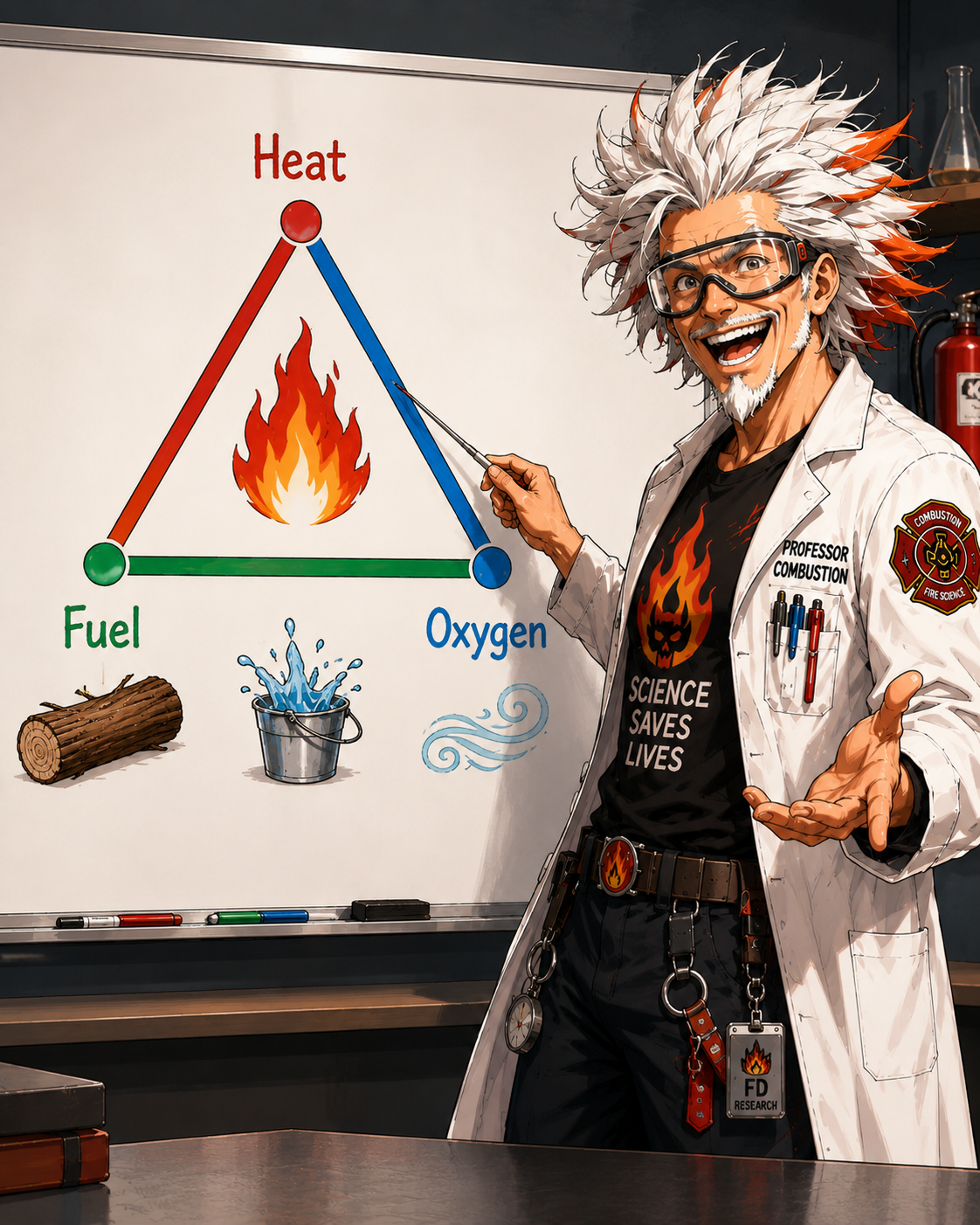
The fire triangle
Fire needs heat, fuel, and oxygen. Remove or control one side and the fire can weaken or go out.
Learn the triangle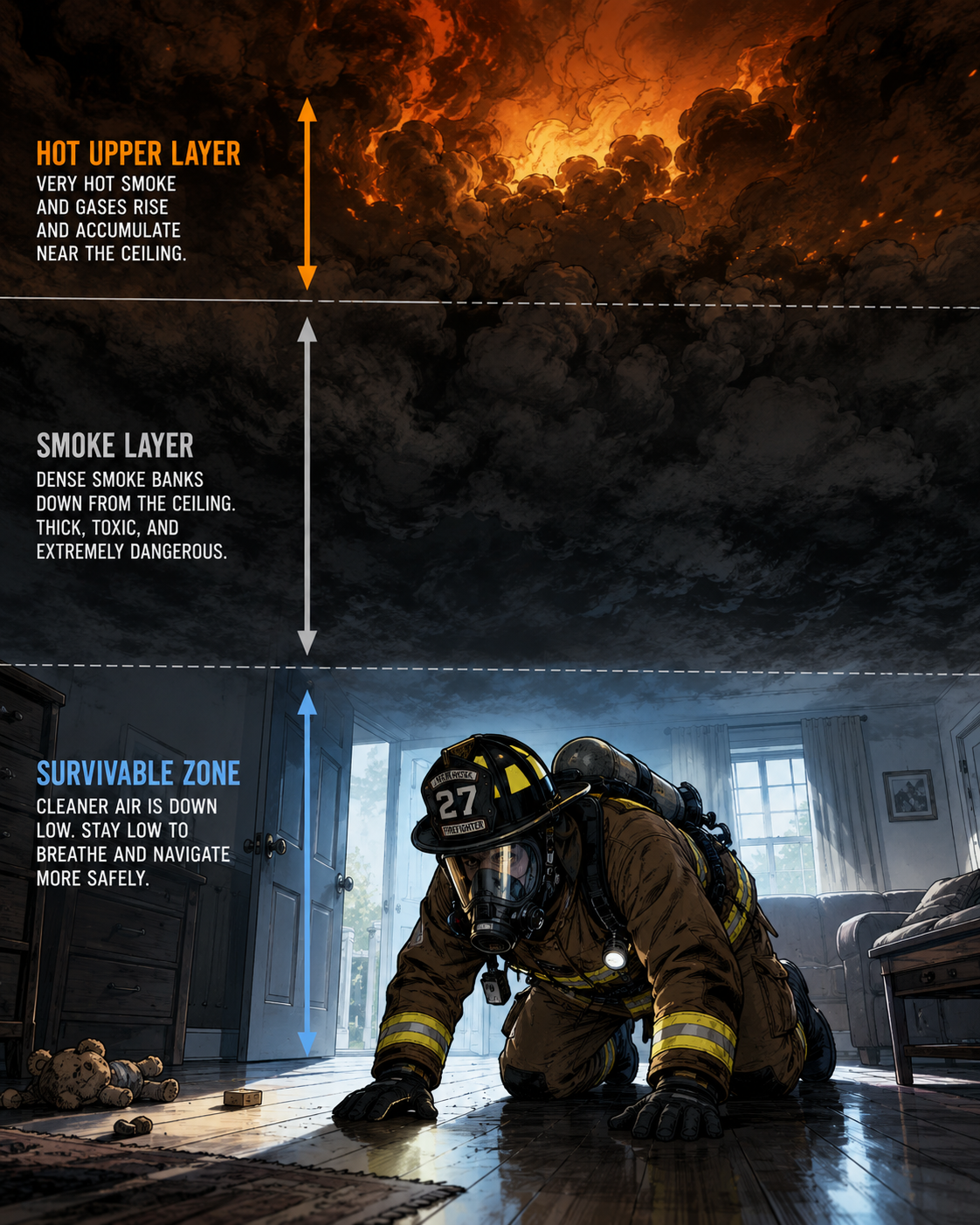
Smoke tells a story
Smoke can show heat, fuel, movement, visibility problems, and growing danger before flames are visible.
Read about smokeStructure firefighting vs. wildland firefighting
Structure firefighting often focuses on buildings: houses, apartments, warehouses, schools, offices, and commercial spaces. Crews think about rooms, stairs, doors, roofs, utilities, hidden voids, occupants, and interior conditions.
Wildland firefighting focuses on vegetation, wind, slope, weather, access roads, defensible space, aircraft, hand crews, engines, dozers, and evacuation. In the wildland world, embers and wind can move danger faster than people expect.
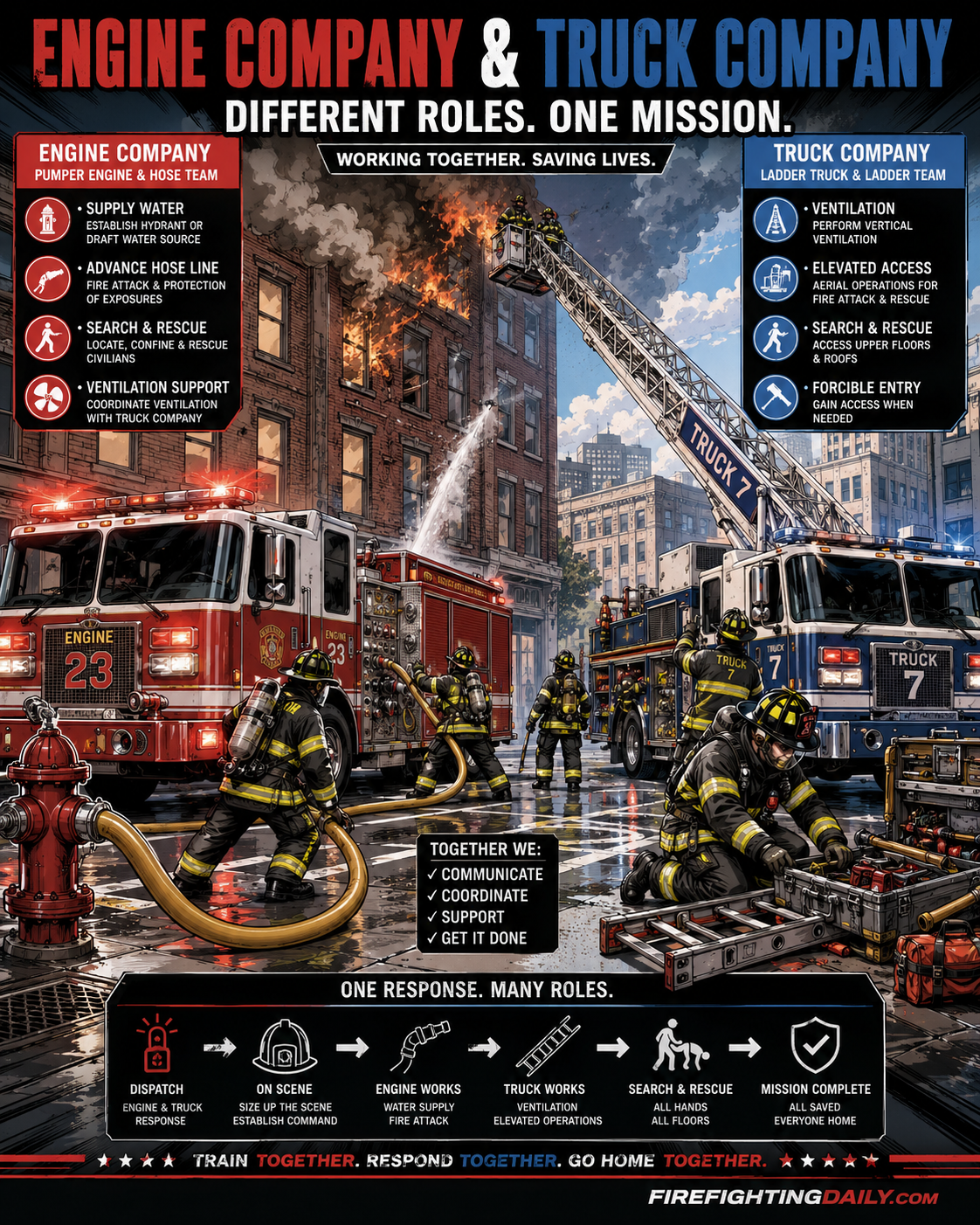
Structure response
Engine companies bring water and hose lines. Truck companies bring ladders, tools, access, ventilation, and search support.
See engines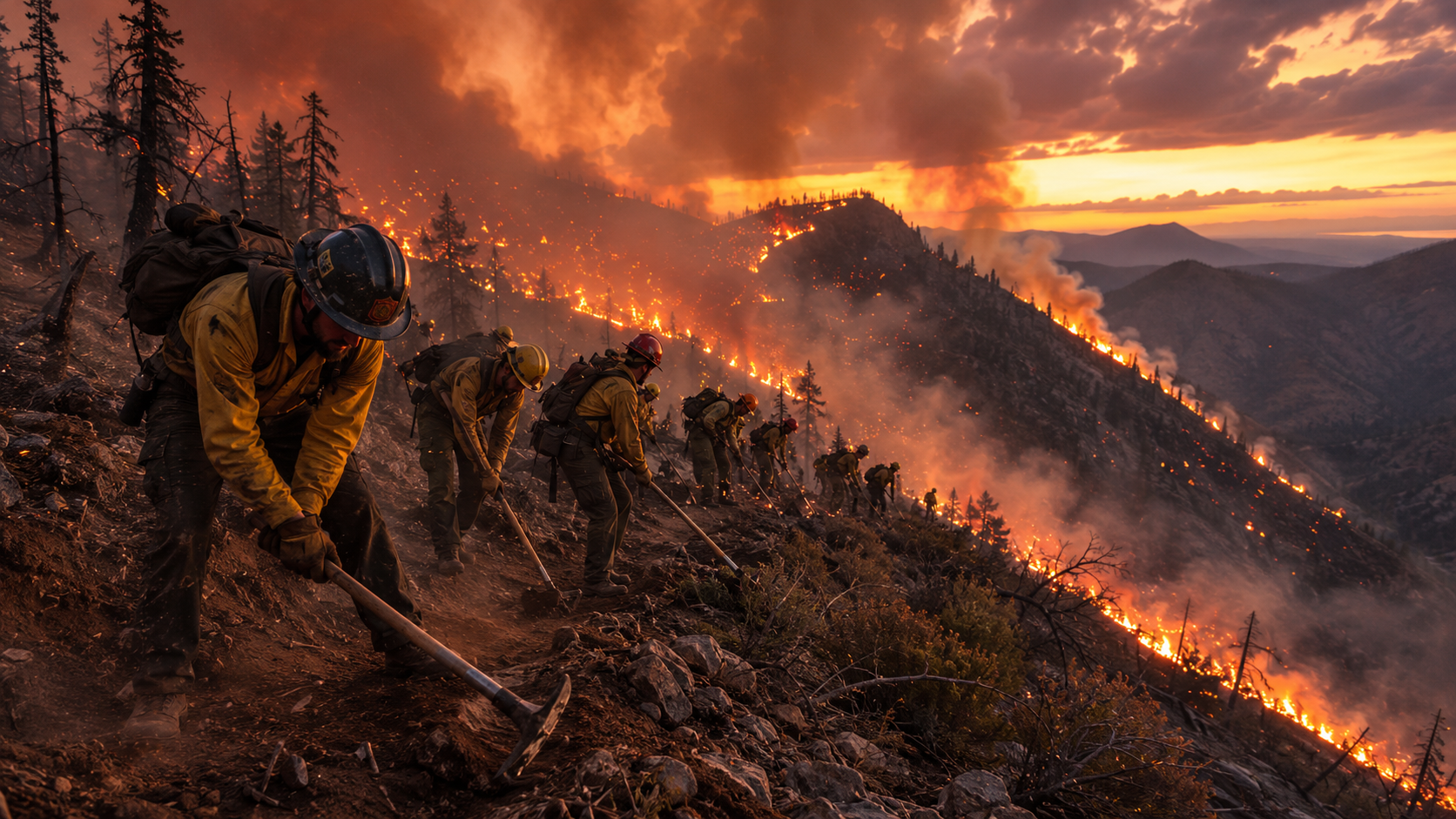
Wildland response
Wildland crews read wind, slope, fuels, roads, ridges, ember spread, and evacuation timing.
Learn wildfireWhat firefighters carry
Firefighters rely on protective gear and specialized equipment. Turnout gear protects from heat and abrasion. SCBA provides breathable air in smoke. Helmets, gloves, hoods, boots, radios, thermal imaging cameras, axes, hooks, ladders, hose, nozzles, and pump panels all support different parts of the job.
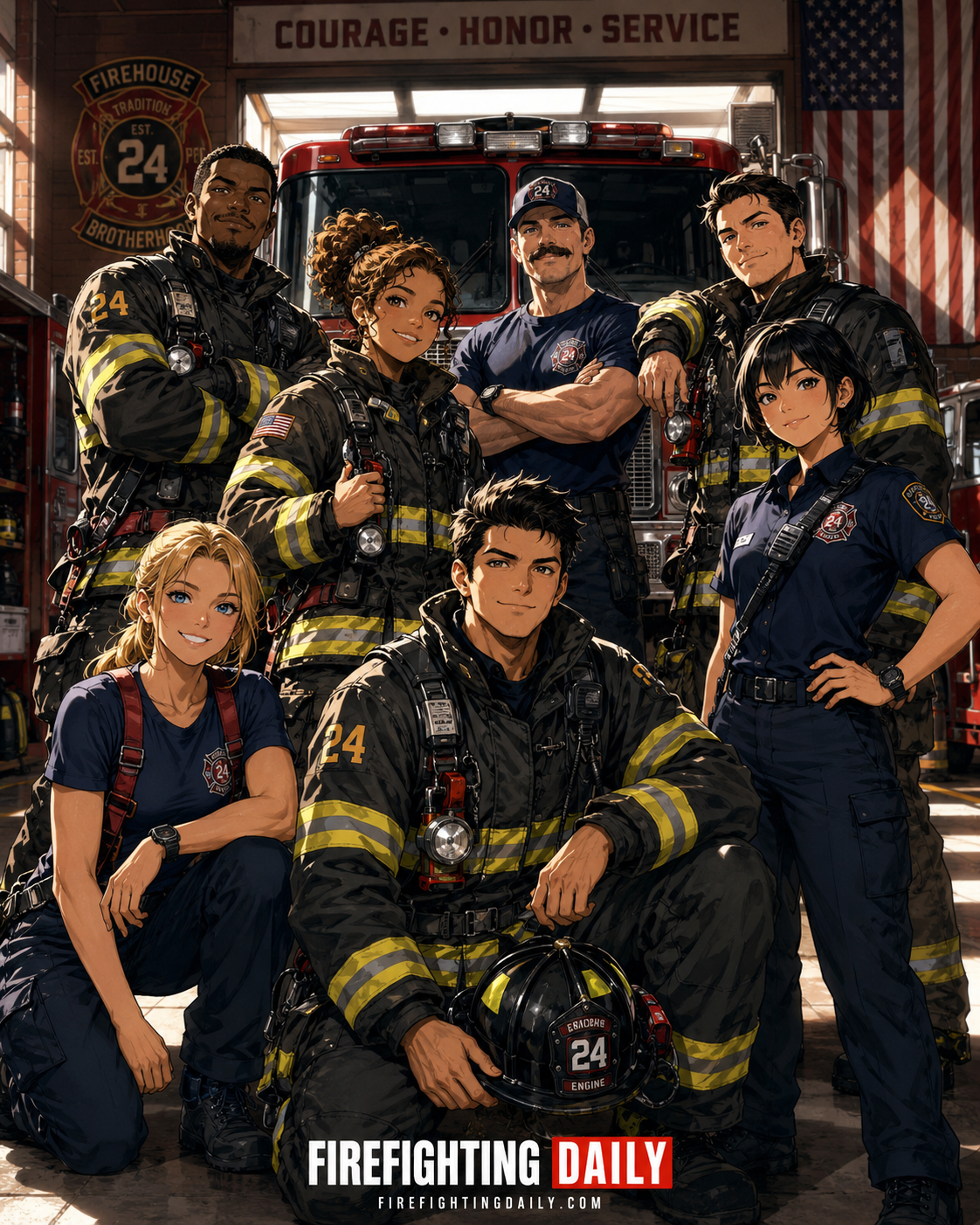
Teamwork is equipment too.
The most important tool is a trained crew that communicates clearly and works together.
Firefighting is also community education
Firefighters do not only respond after something goes wrong. They help communities prepare before emergencies happen. Smoke alarms, escape plans, kitchen safety, closed bedroom doors, wildfire defensible space, evacuation bags, and clear address numbers can all make a difference.
Simple public-safety lessons
- Have working smoke alarms.
- Know two ways out when possible.
- Choose an outside meeting place.
- Close doors to slow smoke movement when safe to do so.
- Never ignore official evacuation orders.
- For solar and battery systems, keep labels, access, and shutdown equipment clear.
Why this site teaches firefighting with manga
Fire safety can be serious and memorable at the same time. Manga-style storytelling helps turn abstract ideas into scenes: Smoke Goblin hides the exit, Professor Combustion draws the fire triangle, Hydrant Hime explains water supply, Wildfire Dragon shows wind and embers, and Rescue Cat teaches escape plans.
The goal is simple: make fire science easier to understand, easier to remember, and easier to talk about with families, students, and communities.