Story lesson
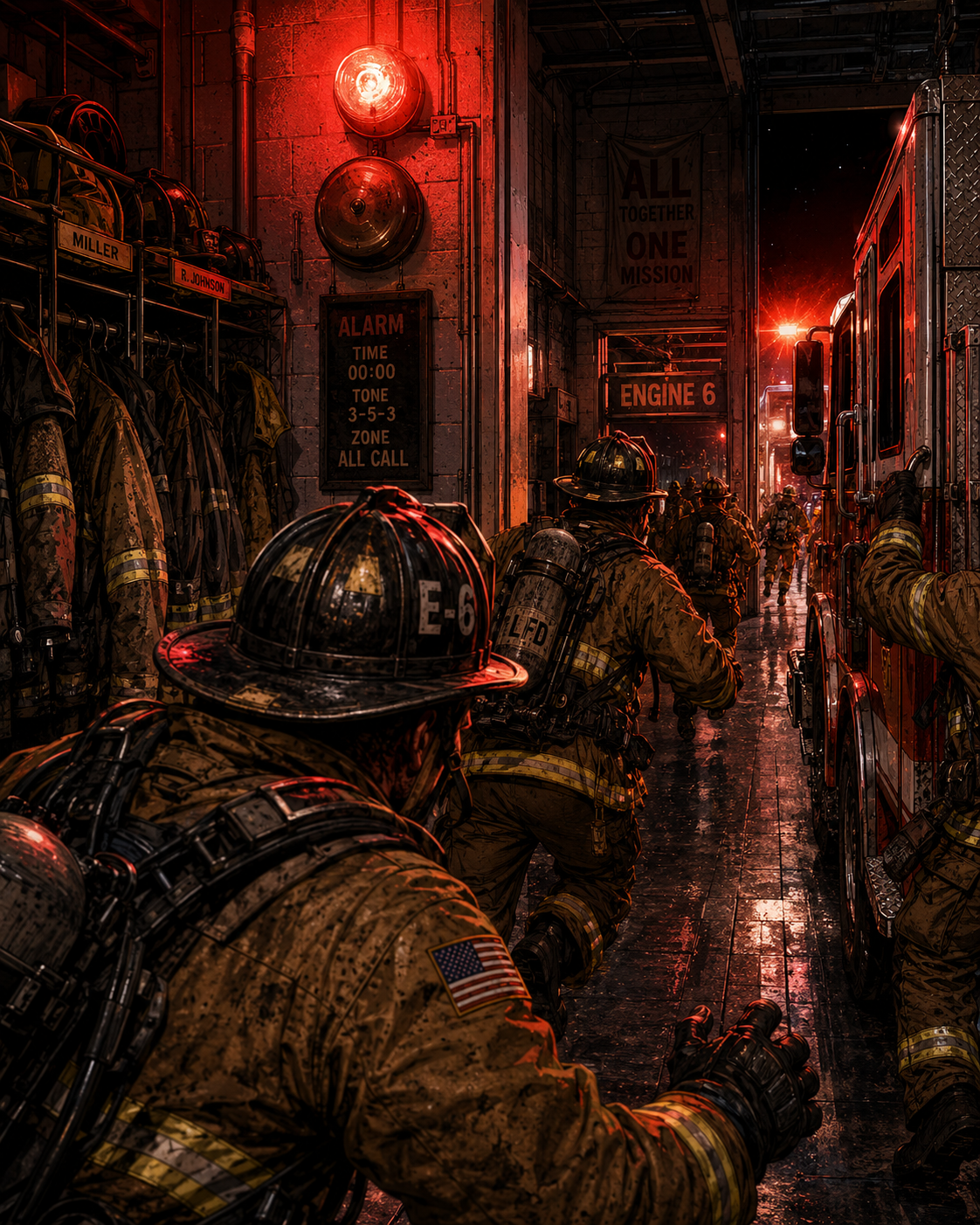
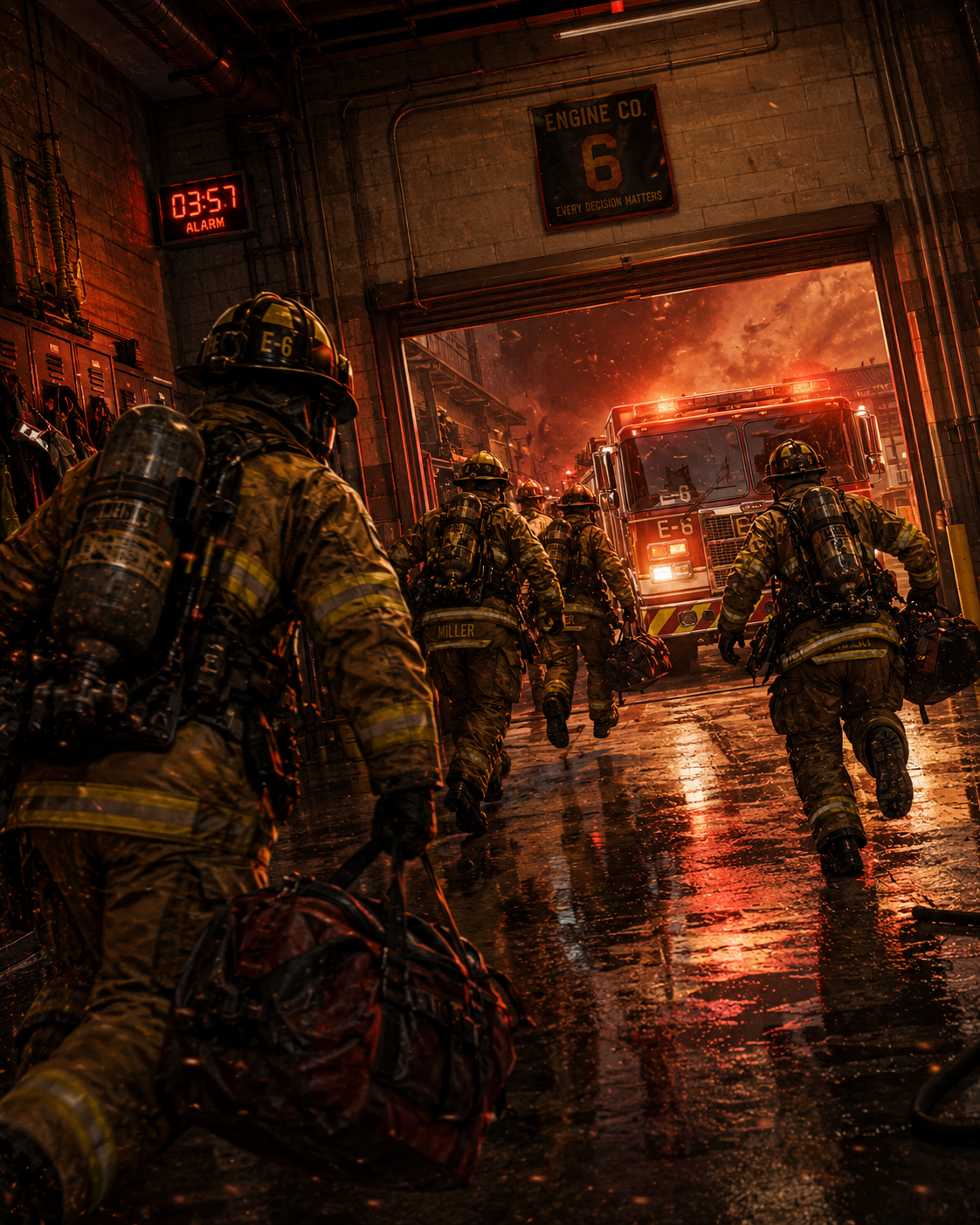
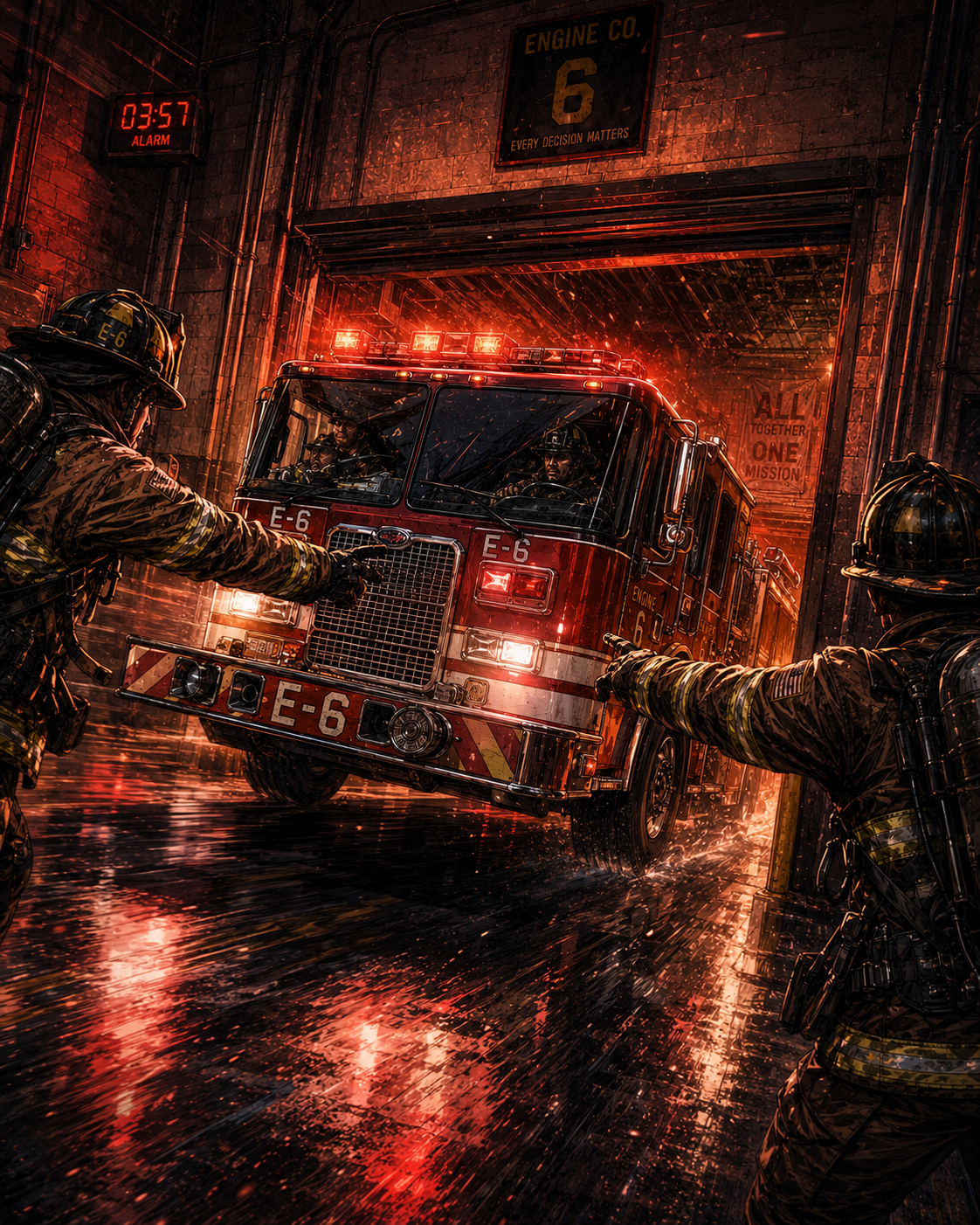
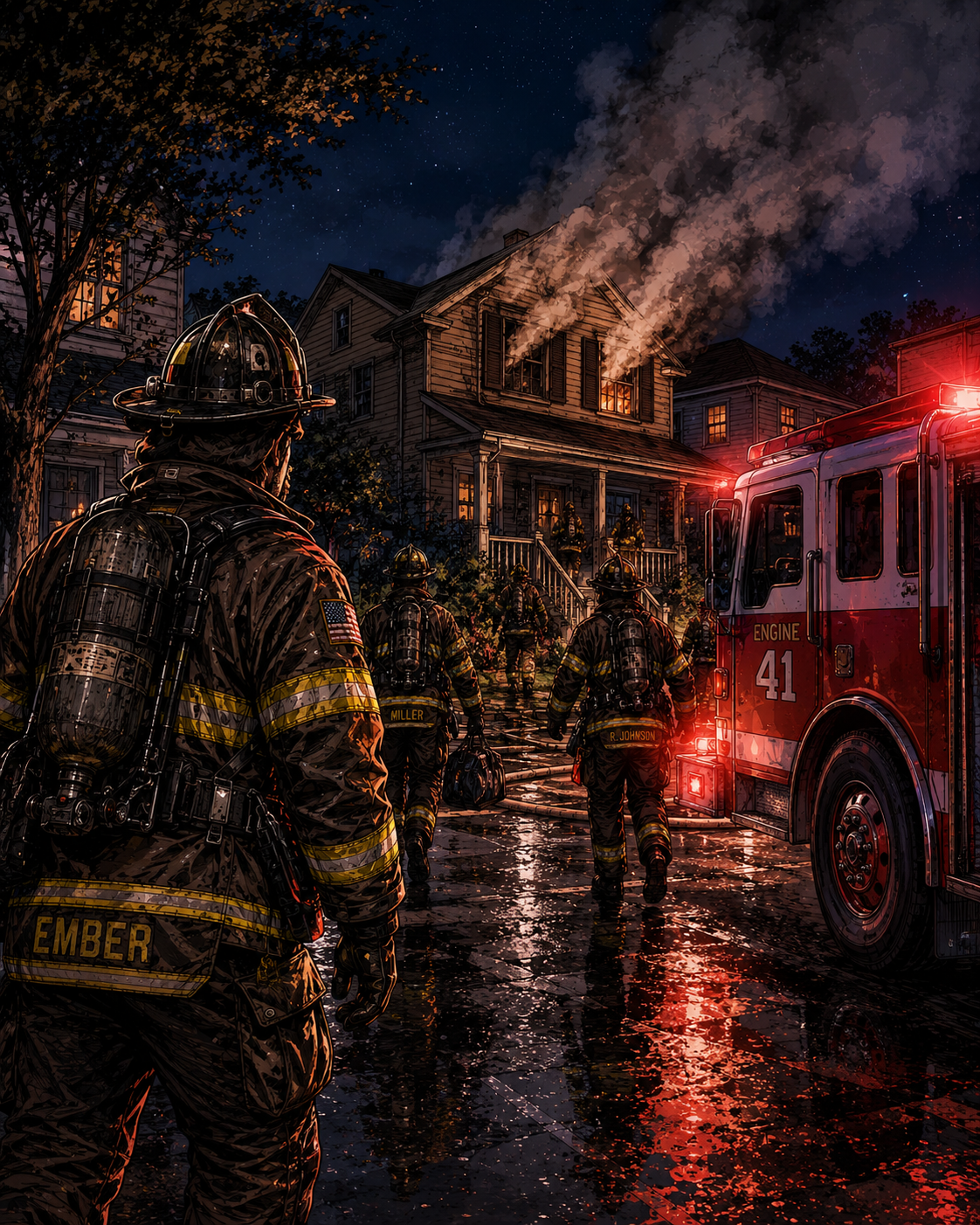
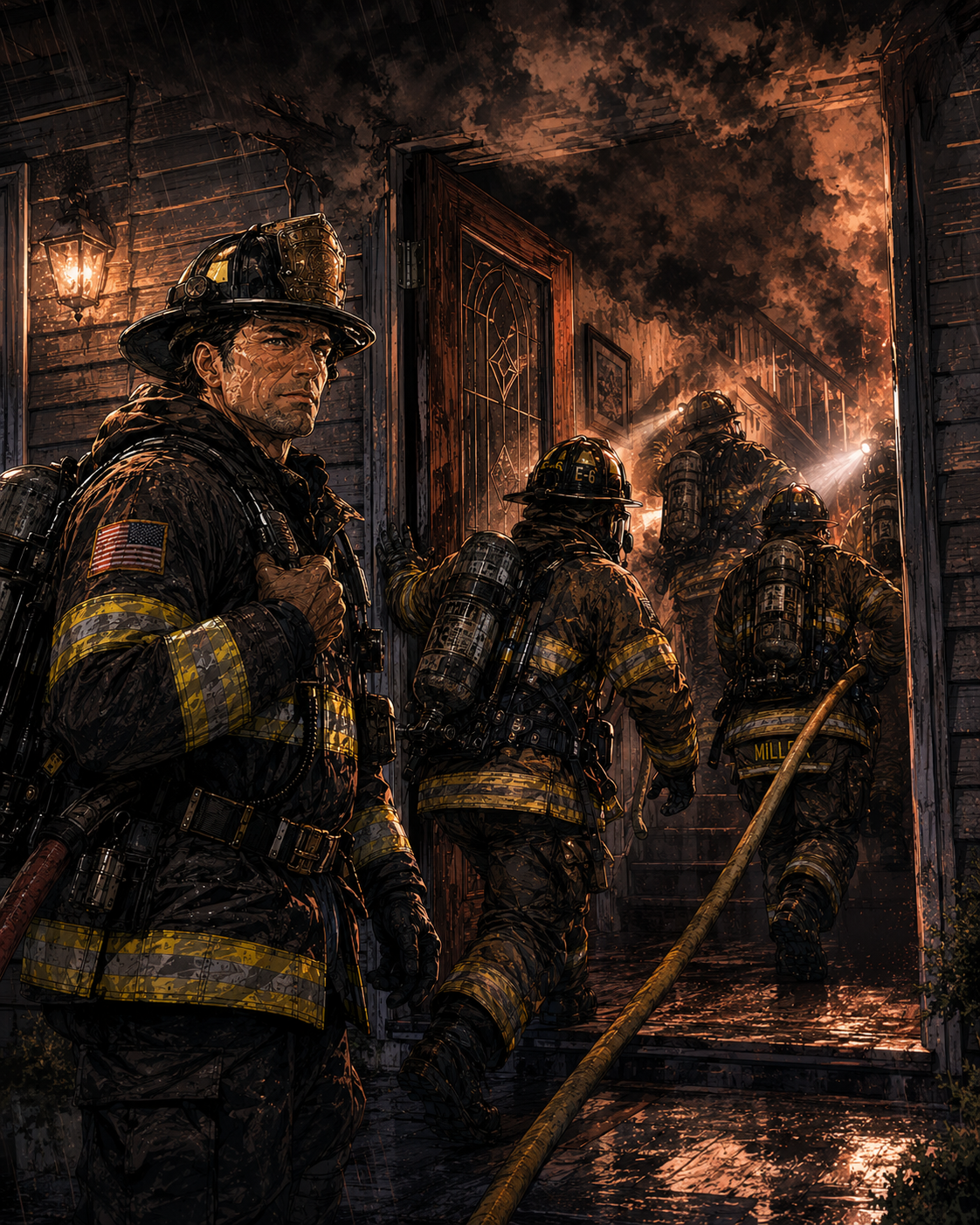
When the alarm sounds, the crew follows a system.
A fire station alarm can feel dramatic, but the response is built on preparation. Gear is staged. The engine is checked. Routes are understood. Radios are ready. Crews move quickly because the routine has already been practiced.
Episode 1 introduces the FirefightingDaily tone: heroic, clear, respectful, and practical. The lesson is not “run into danger.” The lesson is that training turns chaos into coordinated action.
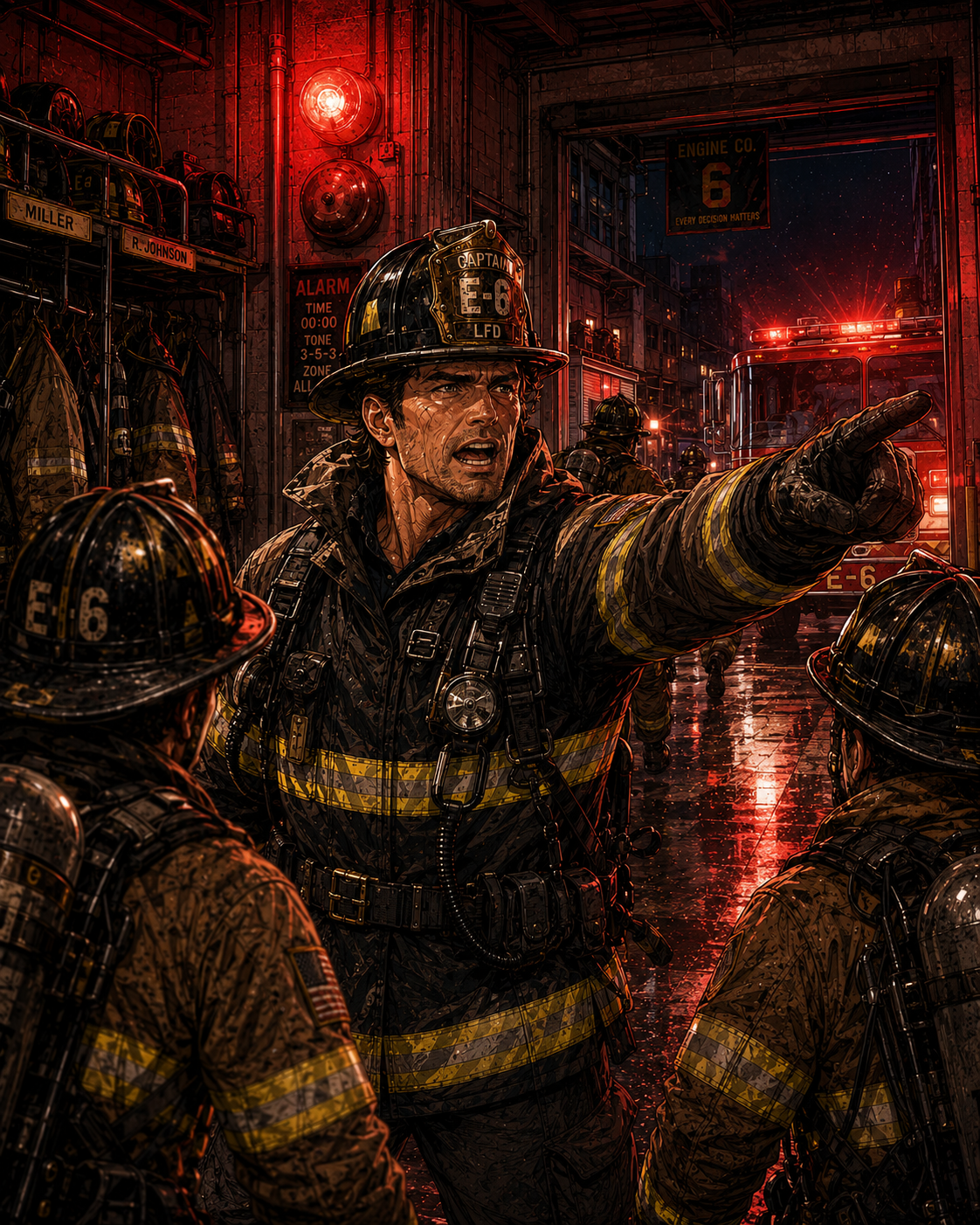
Captain Ember says:
“The alarm is loud so we can be calm faster.”
Episode panels
Read the six-panel story below. Each panel turns one piece of the response into a memorable scene.
What this episode teaches
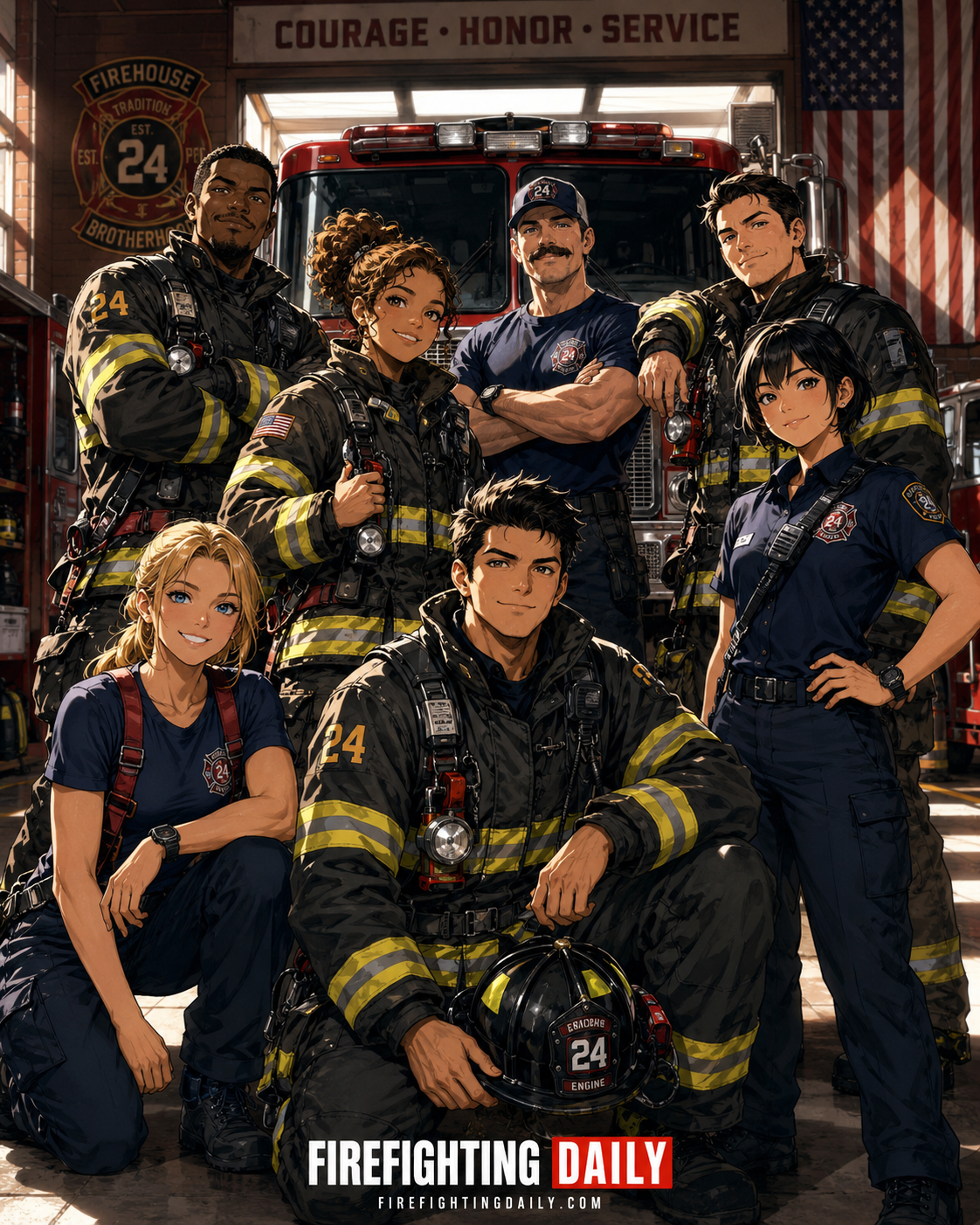
Readiness before drama
The crew can move quickly because the station, gear, engine, and roles are ready before the alarm.
What is firefighting?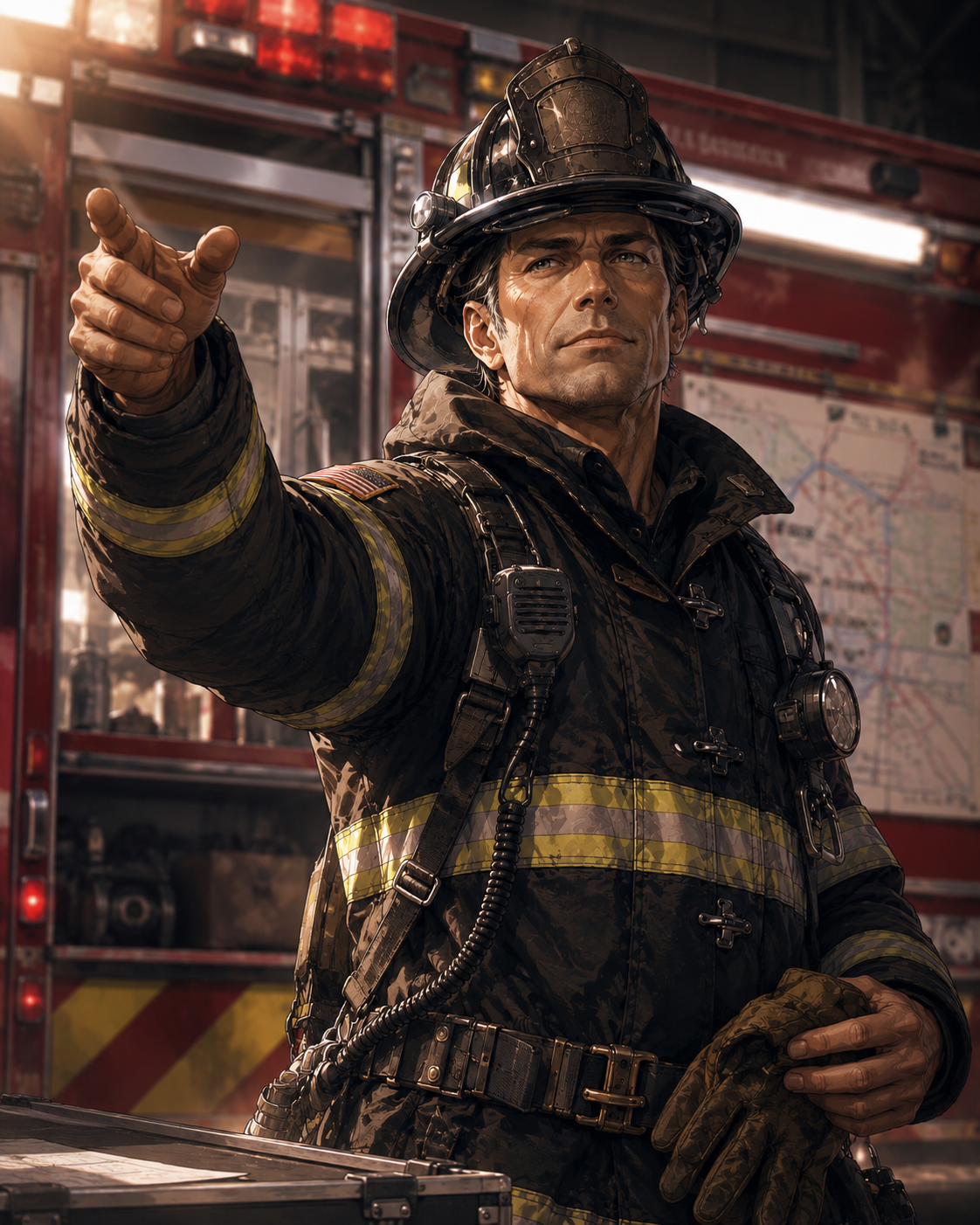
Command matters
Captain Ember represents calm decisions, clear communication, and organized response.
Meet Captain EmberFire safety takeaway
For the public, the first lesson is different from the firefighter lesson. If there is smoke, fire, or an alarm, do not try to become the hero. Get out, stay out, meet outside, and call emergency services.
Public safety version
- Take alarms seriously.
- Leave when smoke, fire, or danger is present.
- Do not delay to investigate a growing emergency.
- Meet outside at the planned location.
- Call 911 or the local emergency number from outside.
- Do not go back inside.
Next in the season
Episode 2 follows Hose Hero at training as he learns that water pressure, nozzle reaction, and hose teamwork are more complicated than they look.
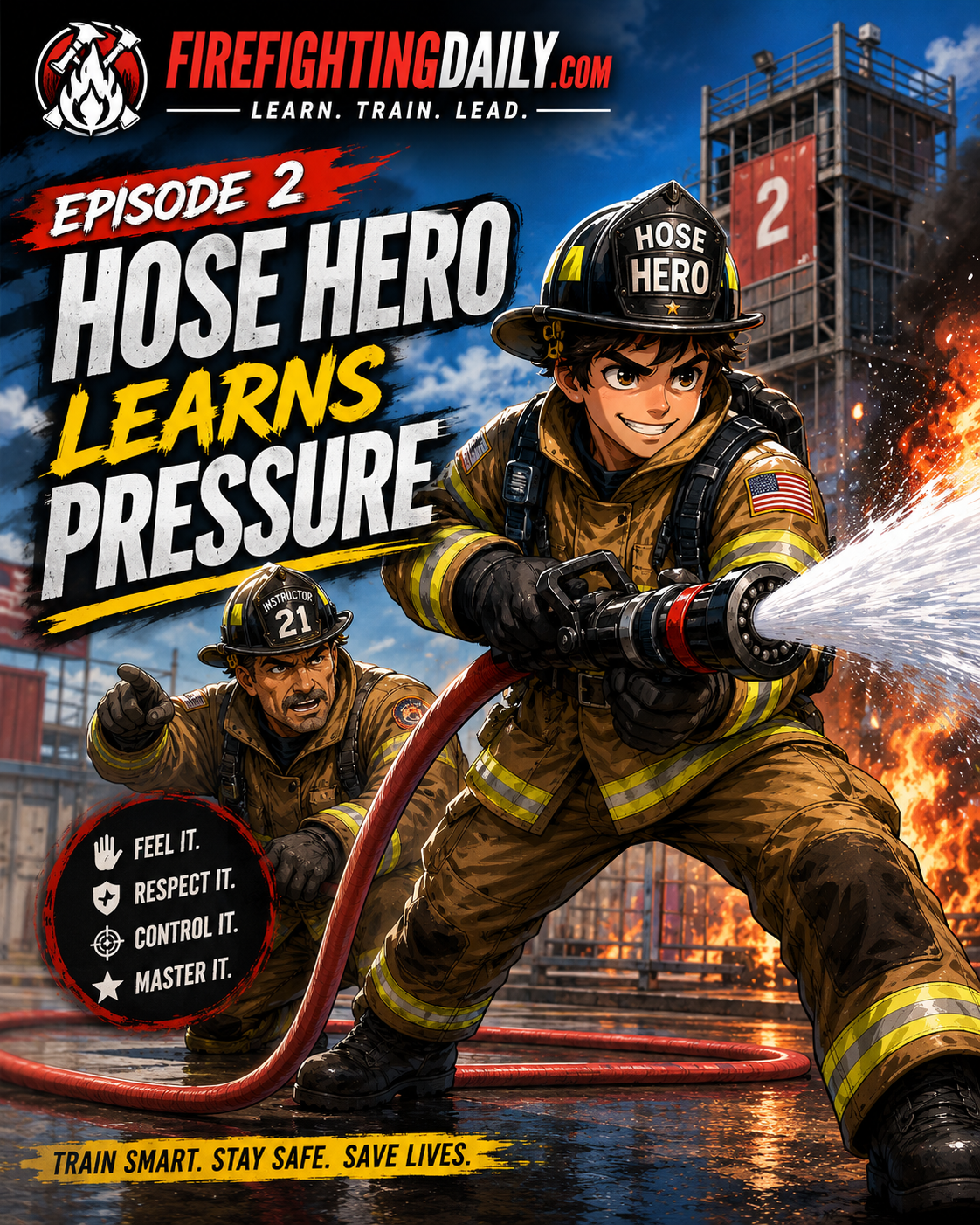
Hose Hero Learns Pressure
Pressure, nozzles, hose lines, teamwork, and the surprise of nozzle reaction.
Read next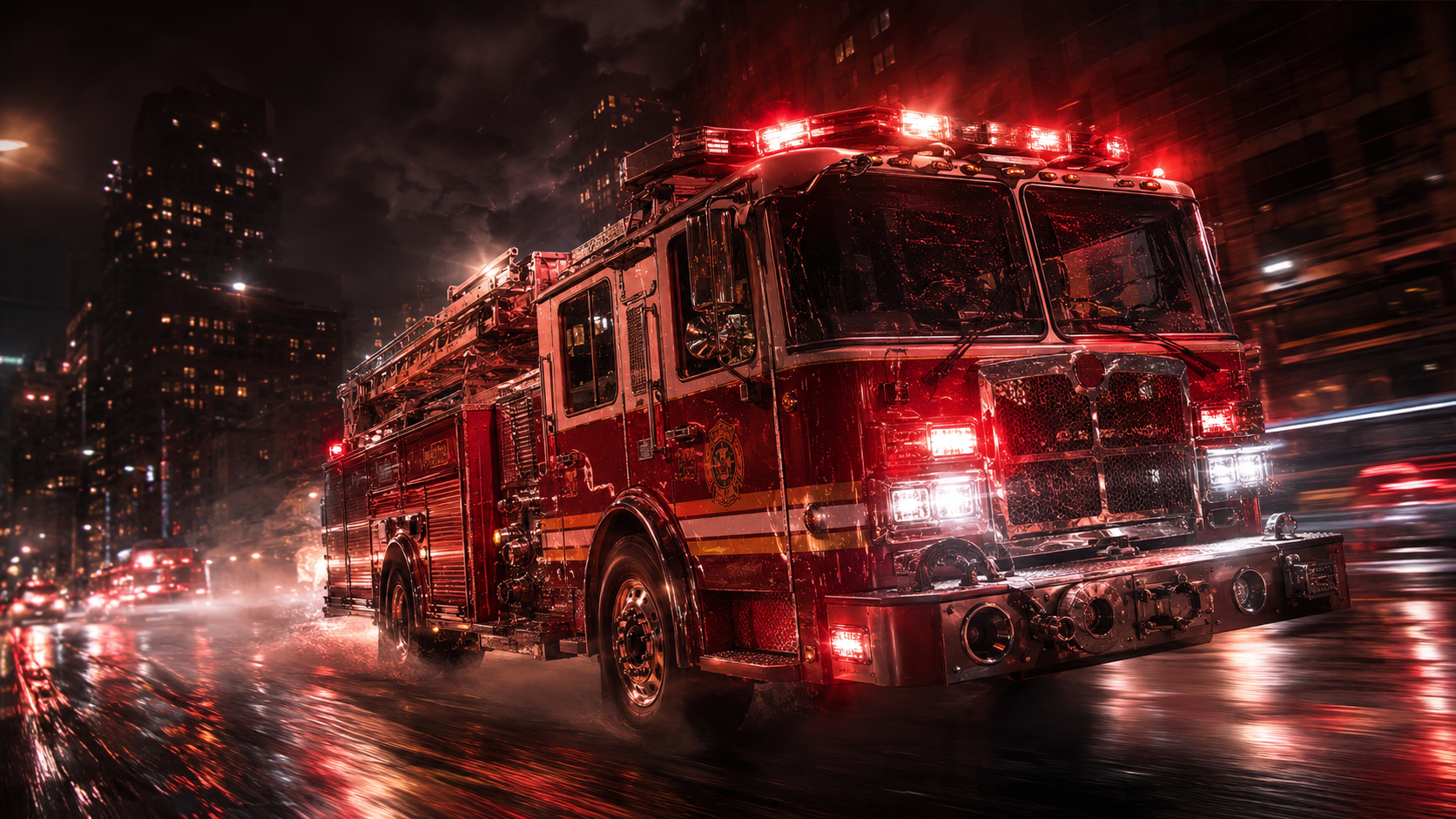
Learn the engine
Fire engines carry crew, hose, water, tools, pump panels, and response capability.
Fire engines